From idea to market-ready product, our SIGNS solutions make every stage easier, faster. Discover How We Help

Views: 248 Author: Landea Signs Publish Time: 2026-11-20 Origin: Site


Content Menu
● How Much Do Channel Letter Signs Cost?
● What Determines Custom Channel Letters Cost?
>> Letter Size, Quantity, and Design Complexity
>> Materials, Finishes, and Environmental Exposure
>> Front-Lit, Halo-Lit, and Combination Lighting
>> Mounting Method and Building Access
● The Costs Buyers Commonly Miss
>> Permits, Electrical Work, and Local Acceptance
>> Freight, Import Charges, and Damage Responsibility
>> Maintenance and Warranty Exclusions
● An Illustrative Channel Letter Sign Budget
● How to Compare Channel Letter Sign Quotes Fairly
>> Step 1: Issue One Consistent Specification
>> Step 2: Request an Itemized Proposal
>> Step 3: Compare Deliverables, Not Descriptions
● Reduce Costs Without Weakening the Sign
● Evaluate Five-Year Ownership Cost
● Approve Samples and Acceptance Criteria Before Production
● Plan Your Custom Sign With Landea Signs Co., Ltd.
● Frequently Asked Questions About Channel Letters Cost
>> 1. Can I estimate channel letters cost per letter?
>> 2. Are halo-lit channel letters always more expensive?
>> 3. Does a factory quotation include installation?
>> 4. Can existing wiring and mounting holes be reused?
>> 5. How can I judge quality before paying the balance?
>> 6. What information produces the most accurate quotation?
Channel letters cost depends on more than letter height or the number of characters in your business name. Lighting, materials, mounting, electrical work, freight, and installation all influence the final investment. For buyers comparing custom illuminated lettering, the most useful question is not "What is your price per letter?" but "What does this quotation include?"
At Landea Signs Co., Ltd., our focus is personalized illuminated lettering solutions. This guide takes a buyer-first approach: understand the specification, separate manufacturing costs from site expenses, and compare proposals on equal terms.
Whether you need one storefront sign or a coordinated purchasing plan for several locations, a clearly defined brief helps prevent expensive surprises.
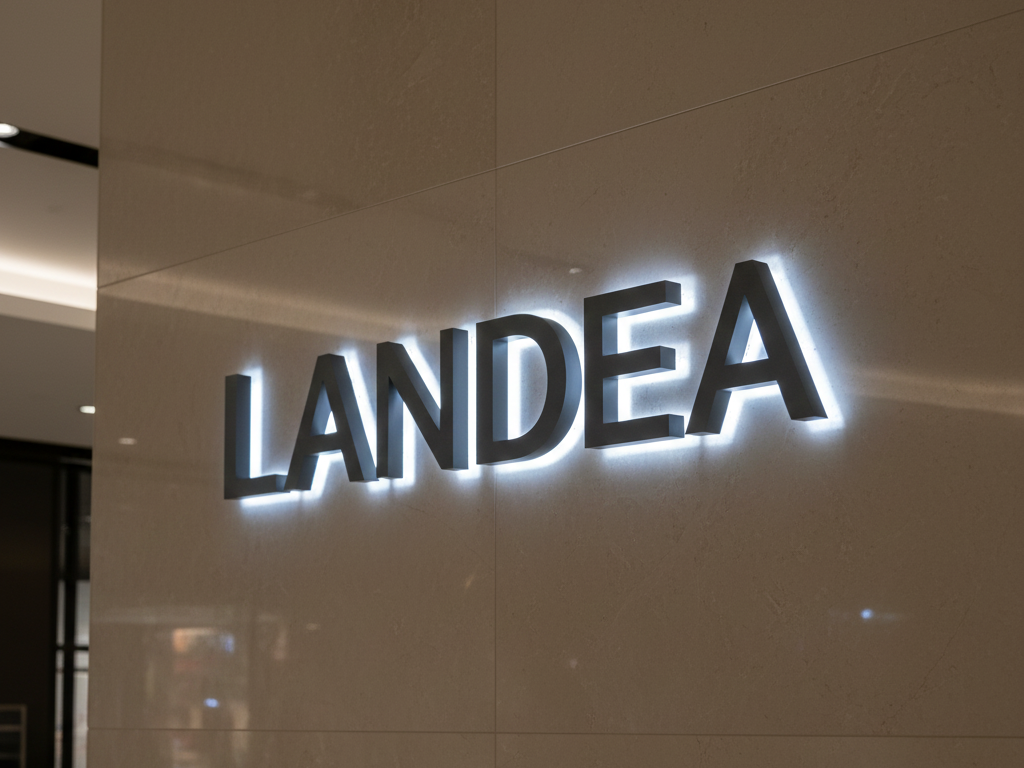
Publicly advertised U.S. prices provide useful starting points, but they are not universal market averages. One sign company publishes a typical installed project range of $3,800–$5,500 for a startup business ordering a single sign. Another publishes a broader $4,000–$12,000 planning range for many illuminated storefront projects, with permitting and site-specific installation conditions requiring further assessment.
Those figures describe different suppliers and scopes. They should not be treated as directly comparable quotations or transferred unchanged to international factory orders.
Before using any advertised price, identify its pricing boundary:
| Price category | What it generally covers | What to verify |
|---|---|---|
| Fabrication price | Manufactured letters and specified components | Power supplies, mounting hardware, packaging |
| Delivered price | Fabrication plus agreed transportation | Duties, taxes, unloading, insurance |
| Installed price | Sign supply and defined installation work | Electrical connection, permits, access equipment |
| Ownership cost | Purchase, operation, maintenance, repairs | Service labor, replacement access, warranty exclusions |
My purchasing recommendation is simple: compare the complete installed scope, even when manufacturing and installation come from different companies.
Larger letters require more face material, deeper or longer returns, additional lighting, and potentially stronger mounting arrangements.
However, letter height alone is an incomplete pricing method. A wide "W," a narrow "I," and a detailed logo can share the same height while requiring very different fabrication work.
Ask suppliers to review:
- Total sign width and maximum letter height.
- Number of letters, logos, and separate illuminated elements.
- Stroke widths and enclosed spaces.
- Letter depth and construction method.
- Required viewing distance and installation height.
Avoid reducing letter size before checking readability. A cheaper sign that becomes difficult to identify from the intended approach is a poor saving.
Front-lit channel letter signs commonly combine metal returns with translucent faces. Halo-lit signs typically use opaque faces and project light toward the mounting surface.
Material selection should reflect the location rather than a simple "standard versus premium" label.
Aluminum construction, stainless steel details, painted finishes, and acrylic faces each require a defined specification. For exposed locations, discuss corrosion conditions, coating preparation, fasteners, drainage, and maintenance access together.
"Stainless steel" alone is not a complete outdoor specification. Ask which grade is proposed and why it suits the environment.
Similarly, confirm face thickness, color, finish samples, and acceptable daytime appearance before approving production.
Lighting style changes both construction and installation requirements.
| Sign type | Visual effect | Main quotation questions |
|---|---|---|
| Front-lit channel letters | Illuminated letter faces | Face material, light diffusion, module layout |
| Halo-lit channel letters | Light surrounding the letters | Wall finish, standoff spacing, rear construction |
| Front-and-halo-lit letters | Illuminated faces plus rear glow | Separate lighting arrangements, wiring, service access |
| Color-changing letters | Adjustable lighting effects | Controllers, programming, replacement compatibility |
Halo-lit channel letters often require additional attention to wall conditions and mounting consistency. A textured or dark surface can produce a different result from a smooth, pale sample board.
Combination lighting introduces more elements to coordinate. Request a representative illuminated sample instead of judging the effect from a digital rendering alone.
Individually mounted letters and raceway-mounted signs create different visual and installation outcomes.
A raceway can consolidate wiring and mounting arrangements, but its size, finish, placement, and landlord acceptance still need confirmation. Individually mounted letters can create a cleaner appearance while requiring carefully coordinated penetrations and wiring routes.
The building matters as much as the letters. Elevated façades, restricted access, concealed services, and difficult wall substrates can change installation costs substantially.
A factory cannot reliably price those conditions from artwork alone.
A sign that fits your budget may still conflict with local restrictions or lease conditions.
Confirm permitted dimensions, placement, illumination, operating hours, and landlord requirements before fabrication. Local rules vary. For example, New York City identifies several potential permit categories, while Chicago advises businesses to establish permit eligibility before ordering a sign.
For U.S. projects, distinguish complete electric-sign certification from component certification. UL 48 addresses electric signs; UL 879 addresses sign components. Certified LEDs or power supplies do not, by themselves, establish the certification status of the finished sign.
Ask what documentation the local authority and installer require, then agree who supplies it.
For international purchases, request the named delivery term and place, not simply "shipping included."
Clarify responsibility for:
- Export packaging and protective supports.
- Freight and insurance.
- Customs clearance, duties, and taxes.
- Final delivery and unloading.
- Transit damage inspection and claims.
Also confirm how damaged letters would be replaced and who pays for replacement transportation. A low freight allowance offers little value if the packaging or claims process is unclear.
A long warranty headline does not explain the cost of servicing a sign.
Ask whether coverage includes replacement parts only or also troubleshooting, removal, reinstallation, lift rental, and shipping. Confirm the treatment of finishes, LEDs, power supplies, water damage, and installation-related faults.
Service access deserves particular attention. Reaching a failed power supply should not require unnecessary dismantling of the entire sign.
The following example is a purchasing exercise, not a market quotation, completed project, or Landea price commitment.
Assume one small commercial sign with straightforward access:
| Budget item | Hypothetical allowance |
|---|---|
| Letters, LEDs, and power supplies | $3,200 |
| Mounting hardware and templates | $300 |
| Packaging and freight | $650 |
| Permit and documentation allowance | $350 |
| Installation and electrical connection | $1,500 |
| Contingency allowance | $600 |
| Total illustrative budget | $6,600 |
The lesson is the relationship between the figures: a $3,200 fabrication proposal becomes a $6,600 planning budget after other assumed expenses.
Your actual project may differ significantly. Replace every allowance with a written quotation, particularly for local electrical work, access equipment, and import charges. Treat contingency as a reserve, not permission to leave the scope undefined.
Send every supplier the same artwork, dimensions, installation photographs, lighting requirements, and delivery destination.
Include a wall elevation or measured photograph wherever possible. Identify whether an existing sign will be removed and whether the electrical supply is already available.
Ask suppliers to separate:
1. Letter fabrication and finishing.
2. Lighting equipment and power supplies.
3. Mounting system and installation templates.
4. Drawings, documentation, and samples.
5. Packaging, freight, and optional services.
Then request a clear list of exclusions.
"Premium LEDs," "weatherproof construction," and "factory-direct pricing" are not adequate specifications.
Request component identification, applicable location ratings, input voltage, finish details, and installation instructions. Confirm whether proposed alternatives require approval before production.
The strongest comparison document is a simple inclusion-and-exclusion matrix. It reveals why one proposal costs more without assuming that either price is automatically better.
The safest savings usually come from simplifying unnecessary complexity.
- Standardize repeated letter sizes and construction details.
- Review difficult logo features before fabrication.
- Use custom finishes where they meaningfully support the design.
- Coordinate approved drawings with the installer early.
- Consolidate repeat orders only after checking packaging and storage needs.
- Agree on replaceable components and service access.
Do not remove essential weather protection, electrical safeguards, or suitable mounting hardware to meet a target price.
Also avoid assuming that a smaller sign always offers better value. Readability, local limits, and the available viewing time should guide size decisions.
For multiple locations, standardize the technical specification while allowing site-specific mounting and electrical arrangements.
Purchase price is only one part of the investment.
A practical ownership model includes:
Initial installed cost + electricity + planned maintenance + likely repair expenses.
For illustration, a sign drawing 200 watts and operating 12 hours daily uses 876 kilowatt-hours annually. At an assumed electricity price of $0.15 per kilowatt-hour, that equals $131.40 per year.
These are hypothetical operating assumptions, not measured Landea product data. Use the proposed system's documented input power and your actual tariff.
Avoid treating an LED lifetime claim as a guarantee for the entire sign. Power supplies, connections, finishes, and environmental exposure also affect service needs.
A slightly higher purchase price may be justified when it provides verifiable construction improvements or easier maintenance—not merely a longer list of marketing claims.
A good quotation should lead to a clear approval process.
For custom illuminated lettering, consider checking one representative letter or a relevant construction sample before releasing the full order.
Review:
- Daytime color and surface finish.
- Nighttime light uniformity.
- Halo appearance against a representative surface.
- Dimensions, depth, and mounting positions.
- Wiring identification and power-supply access.
- Packaging and installation documentation.
Agree how photographs, inspection records, and dimensional checks will be shared before shipment. State which changes require written approval.
This creates a more useful quality standard than "the finished sign should look like the rendering."
A useful quotation begins with a clear project brief.
Send Landea Signs Co., Ltd. your vector artwork, intended dimensions, installation photographs, preferred lighting style, delivery location, and target opening date. Include landlord requirements and local technical requirements if available.
Request a personalized proposal with clearly stated materials, lighting, mounting provisions, deliverables, and exclusions. Where alternatives are possible, ask for options that explain the cost and visual differences.
The goal is not simply a lower number. It is an illuminated sign you can purchase, install, and maintain with confidence.
Yes, for preliminary planning. However, letter width, logo complexity, lighting, and shared equipment affect pricing. Request a complete sign quotation before approving your budget.
Not always, although additional fabrication and mounting requirements can increase cost. Compare signs with equivalent dimensions, finishes, installation conditions, and documentation rather than applying a universal percentage.
Only when the written scope explicitly includes it. International manufacturing proposals may exclude permits, local electrical work, access equipment, and installation labor. Confirm each responsibility before ordering.
Possibly. A qualified local installer should assess condition, compatibility, placement, and applicable requirements. Existing infrastructure should not be assumed suitable simply because the previous sign operated.
Agree on drawings, samples, component details, inspection photographs, and acceptance criteria before production. Check dimensions, finish, lighting, mounting provisions, and packaging against the approved specification.
Provide vector artwork, dimensions, quantities, lighting preferences, site photographs, mounting details, destination, and schedule. Clearly identify whether you need manufacturing only, delivery, or a coordinated installed solution.
1. Cosun Sign — *Channel Letters Cost Guide: Key Factors & Smart Buying Tips*, published May 13, 2025. Original article reviewed for topic coverage, pricing presentation, and content gaps. Its company-specific discounts, warranties, performance claims, and delivery promises have not been transferred to Landea. [en.cosunsign]
2. Signdealz — *Custom Channel Letter Signs*. Source for the supplier-published $3,800–$5,500 installed project example. This is an individual company's advertised range, not an independently established industry average. [signdealz]
3. BlinkSigns — *Channel Letter Sign Cost: What Affects the Price?* Source for the broader $4,000–$12,000 storefront planning range and discussion of scope-dependent pricing. Its figures are supplier guidance rather than a guaranteed project price. [blinksigns]
4. UL Solutions — *Electric Sign Certification and Sign Component Solutions*. Primary technical source for the distinction between electric-sign and component standards, certification options, and installation-location classifications. [ul]
5. New York City Department of Buildings — *Installing a Sign*. Official source for the relationship between zoning, sign dimensions, installation, electrical connections, and potential permit requirements. [nyc]
6. City of Chicago, Department of Buildings — *Sign Permits*. Official source supporting early permit review and clarification of electrical-contractor responsibilities. Local requirements must be checked for each project. [chicago]
7. SignMonkey — *Face & Halo Lit Channel Letters & Logo Signs*. Manufacturer reference for front-and-rear illumination construction and the relationship between pricing, lighting, logo complexity, and mounting requirements. [signmonkey]


