From idea to market-ready product, our SIGNS solutions make every stage easier, faster. Discover How We Help

Views: 210 Author: Landea Signs Publish Time: 2026-09-21 Origin: Site


Content Menu
● What Are Fabricated Metal Letters?
● Channel Letters vs. Fabricated Metal Letters at a Glance
● Construction Differences That Matter
>> Trimless Fabricated Metal Letters
● Appearance: Bright Retail Impact vs. Architectural Refinement
● Material Performance and Outdoor Durability
● Illumination Options and Their Business Impact
>> Halo-Lit Fabricated Metal Letters
● Cost: Look Beyond the Purchase Price
● A Practical Selection Framework
>> 1. Define the Viewing Distance
>> 2. Study the Mounting Surface
>> 3. Match the Construction to the Brand
>> 4. Confirm the Lighting Specification
>> 5. Review Fabrication Drawings Before Production
● Why Custom Manufacturing Makes the Difference
● Channel Letters or Fabricated Metal Letters: Final Recommendation
● FAQs
>> 1. Are fabricated metal letters the same as channel letters?
>> 2. Which is better for a retail storefront: front-lit or halo-lit letters?
>> 3. Do stainless steel letters rust outdoors?
>> 4. Can channel letters use custom brand colors?
>> 5. How long do LED channel letters last?
>> 6. Are halo-lit letters suitable for all wall surfaces?
>> 7. What files are needed to order custom illuminated letters?
For a storefront, hotel, retail chain, corporate office, or commercial property, the sign is often the first physical expression of the brand. The choice between channel letters and fabricated metal letters affects more than appearance. It influences nighttime visibility, long-term durability, installation requirements, maintenance planning, and the perceived value of the business behind the sign.
At Landea Signs Co., Ltd., we work with buyers, designers, contractors, and brand teams that need more than a standard illuminated sign. They need a solution that fits their logo, façade, operating environment, budget, and future expansion plans. This guide compares channel letters vs. fabricated metal letters from a practical manufacturing perspective, helping you choose the right construction for your project.
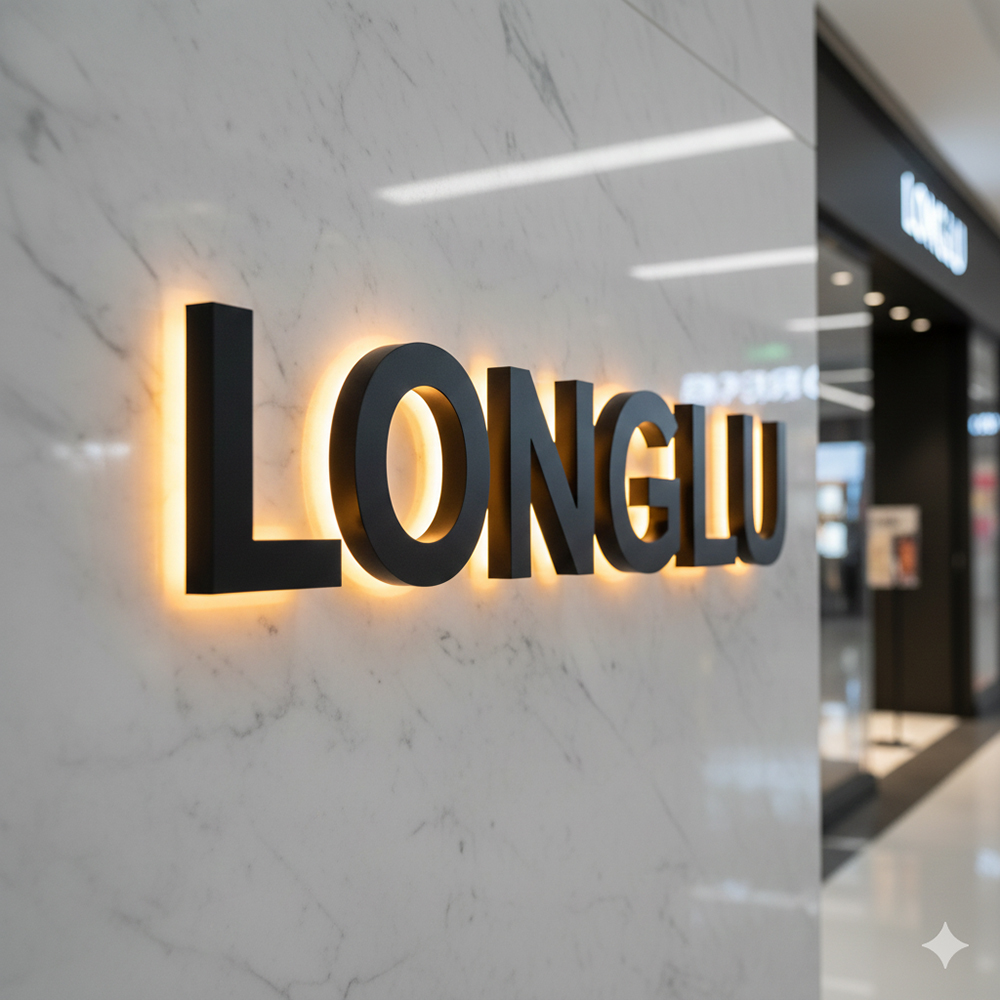
Channel letters are individually built, three-dimensional letters, numbers, or logo elements. Each character has its own body, lighting components, and mounting method. They are commonly used for exterior storefront signs, shopping centers, restaurants, offices, pharmacies, hotels, and national retail brands.
A typical illuminated channel letter includes:
- A metal return, which forms the sidewall and depth of the letter
- An acrylic face for front illumination
- Internal LED modules
- A back panel or backing structure
- A low-voltage power supply or driver
- Mounting hardware, wiring, and sealing components
The word "channel" describes the hollow internal space that holds the lighting system. Depending on the design, light can project through the front face, around the back edge, or through both areas.
The most common channel letter lighting styles include:
- Front-lit channel letters: Light shines through the acrylic face
- Back-lit channel letters: Light reflects onto the wall behind the letter
- Halo-lit channel letters: Another name often used for back-lit letters
- Front-and-back-lit channel letters: Light appears through the face and around the back
- Open-face channel letters: The lighting source is visible from the front
- Non-illuminated channel letters: Dimensional letters with no internal lighting
Channel letters remain popular because they are highly adaptable. A manufacturer can customize letter height, depth, font, finish, illumination color, mounting style, acrylic color, and logo shape.
Fabricated metal letters are dimensional letters made by assembling metal faces, metal returns, and internal components into a complete three-dimensional structure. They may be illuminated or non-illuminated.
The term can be confusing because many illuminated channel letters are also fabricated from metal. In practical project discussions, however, fabricated metal letters often refer to a more refined construction with a trimless metal profile, precision-welded or carefully joined components, and a clean transition between the metal body and the illuminated face.
Fabricated metal letters are commonly made from:
- Aluminum, valued for its light weight and corrosion resistance
- Stainless steel, chosen for a premium appearance and stronger resistance in demanding environments
- Brass or bronze, used for luxury, heritage, hospitality, and architectural applications
- Copper, selected when a natural aging surface or distinctive visual character is desired
For illuminated versions, a fabricated metal letter may use:
- Acrylic faces for face illumination
- Acrylic backs for halo illumination
- Metal faces with rear illumination
- Acrylic reveals between metal components
- Integrated LED modules with customized color temperature or color output
The key difference is not simply whether metal is used. It is how the letter is engineered, joined, finished, and presented.
| Comparison Factor | Channel Letters | Fabricated Metal Letters |
|---|---|---|
| Typical construction | Metal returns, acrylic face, LED modules, often with trim cap | Metal face and returns with refined welded, soldered, or trimless assembly |
| Visual style | Bright, highly visible, commercial, versatile | Architectural, premium, clean, sophisticated |
| Face edge | Often includes a visible trim cap | Usually offers a more seamless metal-to-face transition |
| Illumination options | Front-lit, back-lit, combination-lit, open-face | Face-lit, halo-lit, combination-lit, acrylic reveal, non-lit |
| Material selection | Primarily aluminum with acrylic components | Aluminum, stainless steel, brass, bronze, copper, acrylic, and mixed materials |
| Initial cost | Usually more budget-friendly | Usually higher due to material and fabrication requirements |
| Production complexity | Moderate to high, depending on font and lighting | High, especially for trimless details and welded metal construction |
| Long-term visual impression | Strong retail visibility | Higher-end architectural presentation |
| Best for | Retail storefronts, restaurants, shopping centers, franchise brands | Hotels, luxury retail, offices, property developments, premium brand environments |
Traditional front-lit channel letters often use trim cap, a flexible molding that holds the acrylic face to the letter return. The trim cap creates a visible border around the face.
This construction can be effective for many commercial projects because it is practical, scalable, and economical. It also supports a wide range of letter shapes and illuminated acrylic colors.
However, the visible trim cap becomes part of the finished appearance. For brands seeking a minimal, architectural, or luxury look, that edge can feel more functional than refined.
Trim cap channel letters are usually a strong choice when the project prioritizes:
- High face brightness
- Cost efficiency
- Fast rollout across multiple locations
- Standardized retail branding
- Strong daytime and nighttime legibility
- Large letter sizes viewed from a distance
Trimless fabricated metal letters eliminate the obvious plastic molding around the letter face. Instead, the acrylic face may sit within a precisely formed metal profile, while the return and face structure are secured through welding, soldering, mechanical engineering, or high-performance bonding systems.
This detail gives the letter a cleaner edge and a more integrated appearance.
For a luxury hotel entrance, a corporate headquarters, a flagship retail store, or a high-end restaurant, that subtle construction difference can significantly change the visual result. The sign appears less like an assembled product and more like a designed architectural element.
A trimless fabricated metal letter is especially suitable when the brand requires:
- Seamless visual lines
- Premium metal finishes
- Higher perceived brand value
- Controlled light output
- Custom architectural detailing
- Strong compatibility with stone, glass, wood, tile, and metal façades
The visual decision usually comes down to the environment and the brand personality.
Front-lit channel letters are designed to be noticed. Their illuminated faces create strong contrast at night, making them particularly effective for businesses competing for attention along busy streets, shopping plazas, transport hubs, and commercial districts.
Fabricated metal letters can also be bright, but their strength is often their ability to balance illumination with material quality. A brushed stainless steel halo-lit letter, for example, may produce a soft glow around the letter rather than a fully illuminated front face. This creates a more restrained and premium presentation.
Consider these common design directions:
| Brand Goal | Recommended Direction |
|---|---|
| Maximum storefront visibility | Front-lit channel letters |
| Upscale hospitality image | Halo-lit stainless steel fabricated letters |
| Strong day-and-night retail branding | Front-and-back-lit fabricated letters |
| Modern technology company identity | Trimless face-lit aluminum or stainless steel letters |
| Luxury fashion or jewelry store | Brushed metal halo-lit letters |
| Large franchise rollout | Standardized front-lit channel letters |
| Architectural entrance signage | Fabricated metal letters with subtle rear illumination |
A sign should not be selected only from a catalog image. It should be judged against the building façade, viewing distance, surrounding lighting, local climate, and brand positioning.
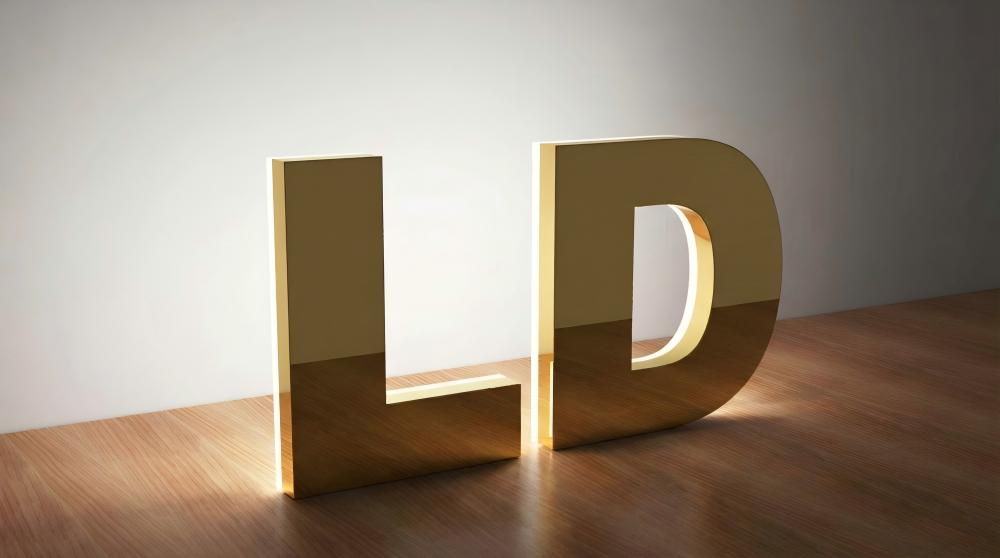
Outdoor signage must withstand ultraviolet exposure, rain, wind, temperature changes, dust, pollution, and coastal salt exposure in some locations. The material decision matters as much as the lighting style.
Aluminum is widely used because it is lightweight, naturally corrosion resistant, and relatively easy to form into letter returns. It is an effective choice for many channel letter projects.
Stainless steel provides a more premium visual effect and can be highly suitable for demanding exterior applications. It is frequently selected for brushed, mirror-polished, titanium-coated, or painted finishes.
Acrylic is usually used for illuminated faces or backs because it diffuses LED light. Its thickness, color, finish, and light-transmission properties affect brightness and uniformity.
LED modules determine much of the illuminated sign's long-term performance. A well-designed sign requires appropriate LED spacing, adequate thermal management, stable wiring, and correctly sized power supplies. An undersized or poorly protected power supply can shorten service life even when the letter shell itself is well manufactured.
A properly specified illuminated letter system should also consider:
- Local electrical rules and installation requirements
- Weatherproof drivers and electrical enclosures
- Drainage and water-management design
- Corrosion resistance for the local environment
- Access for future maintenance
- Secure mounting for wind exposure
- Consistent illumination across narrow and wide letter strokes
For coastal, humid, or highly polluted locations, Landea Signs recommends discussing environmental conditions before finalizing the material specification. A letter that performs well in an indoor mall may require different metal, finishing, and sealing decisions for an exposed seaside façade.
Lighting is not only a technical feature. It shapes how customers experience the brand after dark.
Front-lit letters use a translucent acrylic face. Internal LEDs illuminate the face directly, creating strong brightness and excellent visibility.
They are ideal for:
- Retail storefronts
- Restaurants
- Convenience stores
- Medical clinics
- Automotive businesses
- Shopping center tenants
- Brands needing high nighttime recognition
The visual effect is bold, direct, and easy to read from a distance.
Halo-lit letters use rear illumination. Light reflects off the mounting surface behind the letter, creating a soft outline or halo.
They are ideal for:
- Hotels
- Offices
- Financial institutions
- Luxury retail
- Beauty brands
- Real estate developments
- Interior reception walls
The wall color and texture matter. A light, smooth surface generally creates a more even halo. Dark, heavily textured, or highly uneven surfaces may reduce the uniformity of the reflected light.
Combination-lit letters provide illumination from both the face and the rear. They offer strong visibility while preserving a premium dimensional effect.
This option works well for brands that need bold commercial visibility without sacrificing a polished appearance. It can be especially effective for high-traffic locations where the sign must perform during both daytime and nighttime hours.
Channel letters are usually less expensive at the beginning because their construction is widely used and production processes are more standardized. Fabricated metal letters often require more material preparation, more precise fitting, more demanding finishing work, and greater quality control.
However, the right decision should be based on total project value, not only the initial quote.
A lower-cost sign may be appropriate for a temporary retail campaign, a standardized franchise installation, or a location with a limited budget. A premium fabricated metal sign may be the better investment for a flagship site, a property entrance, or a long-term brand environment where material quality influences customer perception every day.
When comparing quotations, ask whether the supplier has included:
1. Metal type and thickness
2. Acrylic type and color specification
3. LED module brand and lighting layout
4. Power supply capacity and protection level
5. Surface finish and color-matching process
6. Mounting method and installation hardware
7. Wiring length, transformers, and access points
8. Packaging method for international transportation
9. Spare parts or replacement module availability
10. Warranty scope for shells, finishes, LEDs, and power supplies
A quotation that appears cheaper may exclude important components that later create installation delays or additional costs.
Use the following process before ordering custom illuminated letters.
Large letters may be necessary for drivers or pedestrians viewing the sign from across a road. Smaller, more detailed letters can work for reception areas or close-range architectural signs.
As a practical rule, the farther the viewing distance, the more important letter height, stroke width, brightness, and contrast become.
Acrylic, aluminum composite panel, stone, brick, glass, corrugated metal, and textured concrete all interact differently with illuminated letters.
For halo-lit letters, the mounting surface influences the quality of the light halo. For front-lit letters, the wall structure affects wiring routes and mounting stability.
A discount retailer, a boutique hotel, and a technology headquarters should not automatically use the same letter style.
Choose front-lit channel letters when high recognition and budget efficiency are the priority. Choose fabricated metal letters when material sophistication, architectural integration, and premium positioning matter most.
Ask for lighting mockups, drawings, or sample photos that show:
- Face color in daytime conditions
- Light color at night
- Brightness uniformity
- Halo spread on the proposed wall surface
- LED access and maintenance strategy
- Driver location and electrical connection plan
Production drawings should confirm dimensions, letter depth, mounting points, wiring exits, colors, material finishes, and logo proportions. This step is essential for avoiding expensive corrections after shipment or installation.
Standard letters can solve simple sign requirements. But complex projects often need a custom approach.
At Landea Signs Co., Ltd., we evaluate the complete application rather than supplying a generic letter shell. This includes logo geometry, letter size, material selection, lighting direction, mounting surface, installation country, packaging needs, and project budget.
For example, a narrow script font may require a different internal LED arrangement than a bold sans-serif logo. A stainless steel halo-lit letter mounted on dark stone may need a deeper return or adjusted rear illumination to achieve a balanced glow. A large front-lit sign for a shopping center may require engineered mounting points and separate power zones for safe installation and servicing.
This is where manufacturing experience becomes valuable. The visible sign is only the final result. Behind it are decisions about forming accuracy, weld quality, acrylic fitting, LED layout, heat control, waterproofing, wiring, and packaging protection.
Choose channel letters if your priority is strong brightness, broad customization, high visibility, and efficient scaling across multiple commercial locations.
Choose fabricated metal letters if your priority is a clean architectural profile, premium material expression, refined lighting, and a lasting impression that supports a higher-value brand position.
The best option is not always the most expensive one. It is the construction that performs reliably in the intended environment and represents the brand correctly from the first daytime view to the last customer interaction at night.
If you are planning a new storefront, office sign, hotel façade, retail rollout, or architectural branding project, share your logo files, dimensions, installation photos, and preferred lighting effect with Landea Signs Co., Ltd. Our team can help you develop a custom illuminated lettering solution with the right materials, illumination method, drawings, and production details for your project.
Not always. Many fabricated metal letters use channel-letter principles because they have a three-dimensional body and may contain internal LEDs. However, fabricated metal letters often feature more refined metal construction, trimless edges, welded details, and premium finishes.
Front-lit channel letters are usually better for a retail storefront that needs maximum visibility from a distance. Halo-lit letters are often better for premium, architectural, or luxury environments where a softer and more elegant lighting effect is preferred.
High-quality stainless steel has strong corrosion resistance, but performance depends on the stainless steel grade, surface finish, installation environment, maintenance, and exposure to salt or industrial pollution. Coastal projects should be specified carefully.
Yes. Custom illuminated letters can use brand-specific acrylic colors, painted returns, powder-coated finishes, printed surfaces, vinyl overlays, and customized LED color temperatures. Final colors should be approved through drawings, material samples, or production samples.
Service life depends on LED quality, driver performance, operating hours, heat management, weather protection, and maintenance conditions. Quality LED modules are commonly rated for tens of thousands of operating hours, but the entire sign system should be engineered and serviced as a complete assembly.
No. Halo lighting works best when the wall has enough space behind the letters and offers a relatively light, even surface for reflected illumination. Very dark, heavily textured, or uneven surfaces can reduce the clarity and uniformity of the halo.
The most useful files are vector logo files in AI, EPS, PDF, SVG, or DXF format. Project dimensions, installation photos, building elevations, preferred materials, lighting requirements, and the destination country will also help the manufacturer prepare an accurate quotation and production drawing.
- [Gemini — What Are Channel Letters? And What's the Difference Between Fabricated Metal Letters?]
- [Energy Code Ace — Sign Lighting Energy Requirements]
- [Signexa — How Channel Letter Signs Are Made]
- [Tupp Signs — Channel Letter Signs: Materials, Lighting and Costs]
- [COSUN SIGN — Channel Letter Specification and Design Guide]


