From idea to market-ready product, our SIGNS solutions make every stage easier, faster. Discover How We Help

Views: 231 Author: Landea Signs Publish Time: 2026-07-21 Origin: Site


Content Menu
● Why Custom Graphic Signs Matter
● Design Principles That Improve Results
● Beyond Decoration: Business Value
● How Expert Fabrication Adds Value
● Customer Experience and Accessibility
● Industry Trends Shaping Signage
● Why Choose a Custom Manufacturer
● FAQ
>> 1. What are custom graphic signs?
>> 2. Where can custom graphics be used?
>> 3. Are custom graphics only for retail stores?
>> 4. How do custom graphics improve customer experience?
>> 5. What should I consider before ordering signage?
>> 6. Do signage trends change over time?
Custom graphic signs are one of the most effective ways to turn plain surfaces into powerful brand assets. For businesses that want stronger visibility, a more professional appearance, and a better customer experience, window graphics, wall graphics, and custom signage can deliver lasting value when they are planned strategically.
Today's buyers expect more than a simple logo on a board. They want custom sign solutions that support branding, wayfinding, accessibility, and daily communication across real physical spaces.
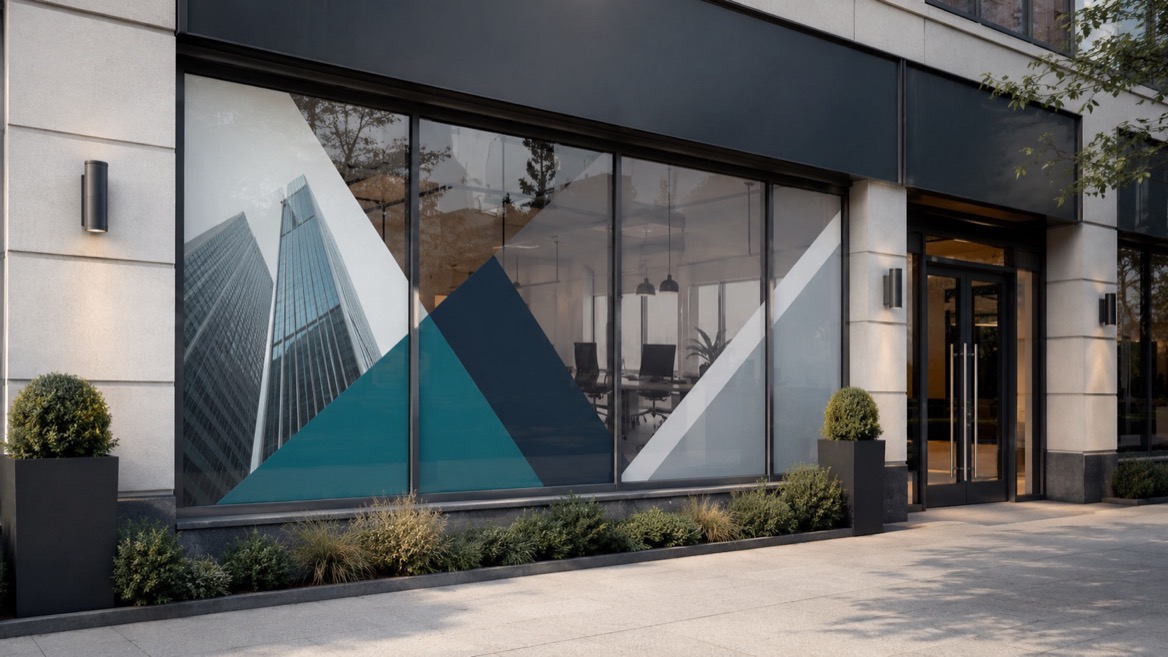
Custom graphic signs do more than make a business look polished. They help communicate who you are, what you offer, and how people should move through your space. In a competitive market, that first impression often determines whether a visitor keeps walking or steps inside.
From a business perspective, custom graphics also support visibility, trust, and consistency. When your storefront, interior walls, and directional signs all work together, the entire environment feels more intentional and easier to understand.
Custom graphics are not limited to one format. A well-planned signage program can combine several applications to support both marketing and operations.
Common options include:
- Window graphics for storefront promotions and privacy.
- Wall graphics for brand storytelling and interior design.
- Lobby graphics for reception areas and client-facing spaces.
- Vehicle graphics for mobile brand exposure.
- Directional and wayfinding graphics for visitor guidance.
- Promotional decals for product launches, events, and seasonal campaigns.
These applications work best when they are matched to the surface, the environment, and the customer journey rather than chosen only for visual appeal.
A successful custom graphics project starts with clarity. In signage, the strongest designs usually do three things well: they are easy to read, visually consistent, and relevant to the location.
Consider these design principles:
1. Keep the message short and focused.
2. Use high-contrast colors for fast readability.
3. Choose fonts that are legible from a distance.
4. Leave enough negative space so the sign does not feel crowded.
5. Match the graphic style to the brand personality and building environment.
These choices matter because people often view signage in motion, from a distance, or in less-than-ideal lighting. The best custom graphics are attractive and functional.
Many companies treat signs as a one-time decoration expense. A better approach is to treat them as a business tool. Custom graphics can support lead generation, reinforce trust, reduce confusion, and guide customer behavior inside and outside the building.
For example, a retail storefront may use large window graphics to promote a limited-time offer. A manufacturing facility may use wall graphics to present certifications, processes, or safety information. A medical clinic may use directional signage to improve visitor flow and reduce front-desk interruptions. These are different use cases, but they all improve the customer experience.
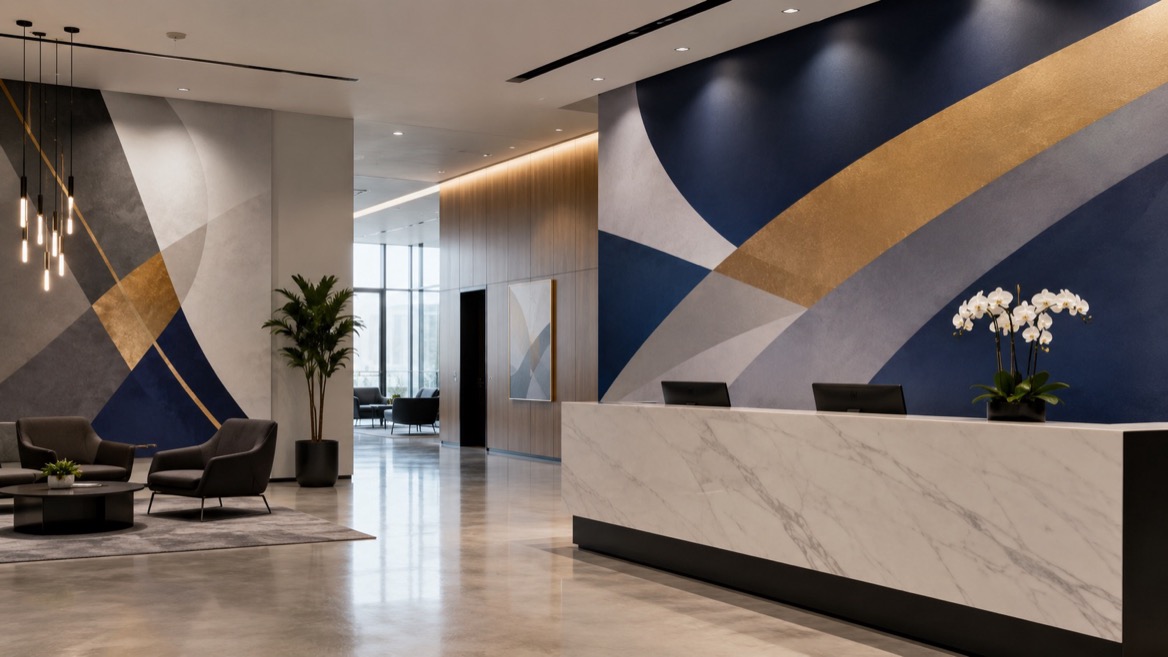
The quality of a sign is not only in the artwork. It is also in the material selection, print method, finish, installation, and durability. Current signage trends continue to favor customization, dimensionality, durable materials, and flexible production workflows.
That means a manufacturer should be able to guide clients through decisions such as:
- Indoor vs. outdoor performance.
- Temporary vs. long-term application.
- Removable vs. permanent adhesive.
- Matte vs. gloss finish.
- Direct print vs. cut vinyl.
- Surface compatibility and installation planning.
When those details are handled well, the final graphic looks better and lasts longer.
A modern signage program should support everyone who enters the space. Clear navigation, visible identifiers, and accessible information are important parts of good design, especially in larger facilities, retail environments, campuses, and service businesses.
Accessibility-minded signage typically focuses on:
- High contrast.
- Clear hierarchy.
- Consistent placement.
- Readable type at appropriate viewing distance.
- Logical directional flow.
- Tactile or compliant elements where needed.
This is not just a compliance issue. It is also a user experience issue. When people can understand a space quickly, the business feels more professional and easier to trust.
The signage industry is moving toward more personalized, flexible, and experience-driven solutions. Recent trend coverage highlights demand for texture, dimensionality, customization, sustainable design, and smarter production systems.
For buyers, that means the best sign partner is no longer just a printer. It is a strategic manufacturing partner that can help with concept, design, material selection, fabrication, and installation. That shift matters because businesses increasingly want one vendor who can support multiple sign types across multiple locations.
If you are considering custom graphic signs, start with a simple planning process. This helps reduce rework and keeps the final outcome aligned with business goals.
1. Define the purpose.
2. Identify the viewing distance and location.
3. Determine the lifespan of the graphic.
4. Choose the right surface and material.
5. Confirm brand standards, colors, and logos.
6. Review installation requirements.
7. Decide whether the sign should inform, promote, or direct.
This process saves time and improves the final quality. It also makes collaboration easier between the client, designer, and fabrication team.
Before placing an order, business buyers should ask a few practical questions. These questions help ensure the sign fits the space and performs as intended.
- Will this graphic work in my lighting conditions?
- Is the material suitable for indoor or outdoor use?
- How long will the adhesive or finish last?
- Can the sign be updated later without full replacement?
- Does the design support readability at the intended distance?
- Can the manufacturer handle installation or provide guidance?
These questions are especially important for businesses with multiple locations or recurring branding needs.
Customer feedback is an important trust signal in the signage industry. Buyers often look for evidence that the manufacturer is responsive, detail-oriented, and reliable during both production and installation.
In customer feedback for custom graphics providers, recurring themes often include fast turnaround, strong communication, quality workmanship, and willingness to solve problems quickly. Those signals matter because signage projects are time-sensitive and often tied to openings, promotions, or rebranding deadlines.
A custom manufacturer brings more flexibility than off-the-shelf solutions. Instead of forcing a brand into a standard format, the manufacturer can adapt the sign to the architecture, messaging goal, and customer flow. That flexibility is especially valuable for businesses with unique surfaces, strict brand guidelines, or multiple signage needs across one property.
For manufacturers serving B2B clients, the strongest positioning is usually built around three promises: customization, consistency, and reliability. Those three factors often influence whether a buyer requests a quote, approves the proof, or places a repeat order.
If your business is ready to upgrade storefront visibility, interior branding, or site navigation, a custom graphics program can be a smart next step. The most effective projects begin with a clear goal, the right materials, and a fabrication partner that understands both branding and production.
Contact Landea Signs Co., Ltd. to discuss custom graphic signs, window graphics, wall graphics, and tailored advertising signage solutions for your business.
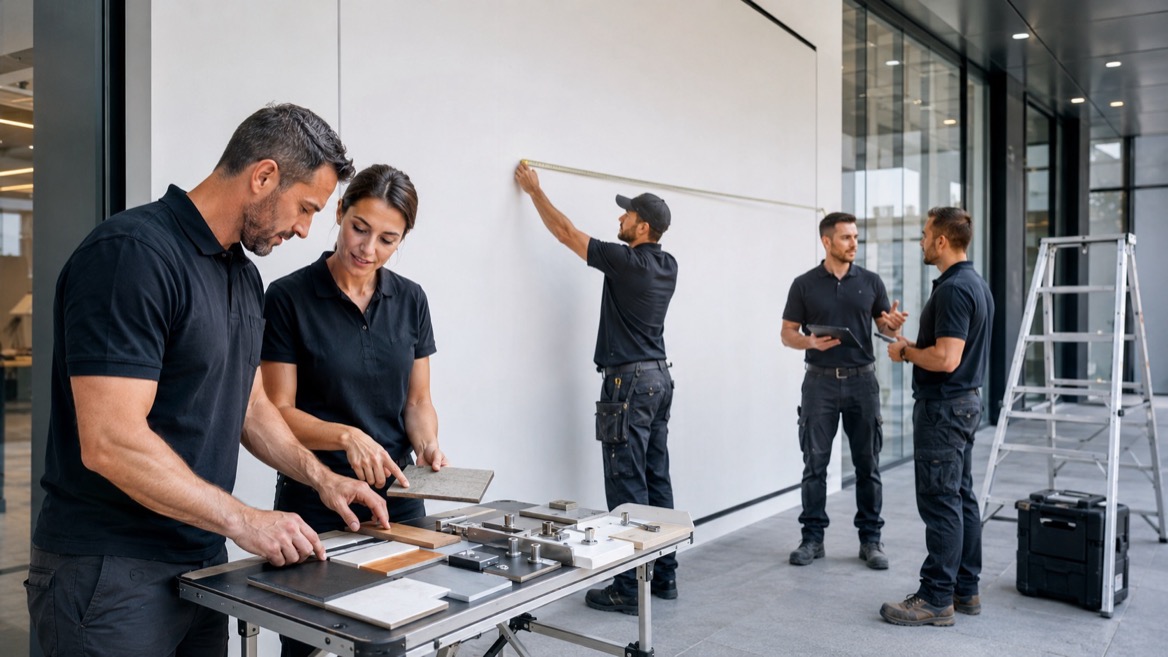
Custom graphic signs are printed or fabricated visual displays made to match a business's branding, message, and space requirements.
They can be used on windows, walls, doors, floors, vehicles, lobbies, display areas, and exterior building surfaces.
No. They are also widely used in offices, factories, healthcare facilities, schools, warehouses, and service businesses.
They make spaces easier to navigate, improve brand consistency, and help customers understand key information faster.
You should consider the purpose, material, lifespan, viewing distance, installation environment, and brand requirements.
Yes. Current trends emphasize customization, sustainable materials, dimensional effects, accessibility, and more efficient production workflows.
1. [Custom Graphic Signs by Dave's Signs: Get Your Quote Today!]
2. [4 Signage Industry Trends to Watch in 2026]
3. [What Is E-E-A-T For Manufacturers? SEO & AI Trust Explained]
4. [Manufacturing SEO: The Complete Guide to Ranking for ...]
5. [Optimizing Digital Signage Content for Maximum Impact]
6. [7 Digital Signage Content Strategies You Cannot Miss]
7. [TOP TRENDS IN PRINT AND SIGNAGE IN 2026]
8. [Signage Trends for Sign Businesses in 2026]
9. [The Direct Access Guide to Accessible Wayfinding]
10. [Complete Wayfinding Signage Guide: Design and Accessibility]


