From idea to market-ready product, our SIGNS solutions make every stage easier, faster. Discover How We Help

Views: 235 Author: Landea Signs Publish Time: 2026-10-11 Origin: Site


Content Menu
● Custom Metal Plaques vs. Metal Plates: What Is the Difference?
● Where Custom Metal Plaques and Plates Create Value
>> Architectural Signage and Building Identification
>> Memorial Plaques, Historical Markers, and Donor Recognition
>> Equipment Nameplates and Product Identification
>> Retail Displays and Branded Interiors
● Comparing Cast, Machined, Etched, and Thin-Gauge Signage
>> Cast Metal Plaques for Dimensional Character
>> Precision-Machined Plaques for Controlled Detail
>> Etched Metal Plaques for Fine Graphics
>> Thin-Gauge Plates for Compact Information
● Choosing Materials for Indoor and Outdoor Metal Signage
>> Bronze and Brass for Traditional Character
>> Aluminum for Lightweight Signage
>> Stainless Steel for Modern Identification
● Three Practical Design Checks That Prevent Expensive Rework
>> 1. Evaluate the Complete Exposure Environment
>> 2. Check Readability at the Installed Position
>> 3. Verify Accessibility Requirements Separately
● Mounting Custom Plaques: Plan the Installation Before Production
● A Buyer's Checklist for Ordering Custom Metal Plaques and Plates
● Start Your Custom Signage Project with Landea Signs
● Frequently Asked Questions About Custom Metal Plaques and Plates
>> What Is the Best Metal for an Outdoor Plaque?
>> Are Etched Plaques Suitable for Detailed Logos?
>> Can a Metal Plaque Include Raised Letters and Braille?
>> How Long Do Custom Metal Plaques Last?
>> What Artwork Should I Provide?
>> How Can I Compare Quotations Fairly?
Custom metal plaques and plates help businesses identify buildings, recognize achievements, guide visitors, and communicate essential equipment information. Yet choosing the right product involves more than selecting an attractive metal. A successful specification connects the message, manufacturing process, installation method, and operating environment.
At Landea Signs Co., Ltd., our focus is personalization: developing advertising signage around each customer's requirements. For plaques and plates, that conversation should begin with what the sign needs to accomplish—not simply how it should look.
This guide explains common applications, compares production options, and provides a practical framework for planning your next project.

The terms overlap, but they often describe different design priorities.
A metal plaque typically emphasizes permanence, architectural presence, or recognition. It may feature raised lettering, recessed graphics, textured backgrounds, or substantial borders.
A metal plate usually prioritizes clear information in a thinner format. Common examples include equipment nameplates, room identifiers, product labels, and seat numbers.
Neither category automatically guarantees a particular lifespan or quality level. Performance depends on the material, finish, graphics, mounting system, and exposure conditions.
| Product | Typical priority | Common applications |
|---|---|---|
| Architectural plaque | Visual presence and building identity | Entrances, reception areas, building names |
| Commemorative plaque | Recognition and permanence | Memorials, dedications, historical markers |
| Identification plate | Compact, readable information | Machinery, products, assets |
| Wayfinding plate | Consistent navigation | Rooms, departments, directional systems |
Start with the function. Then determine the construction needed to support it.
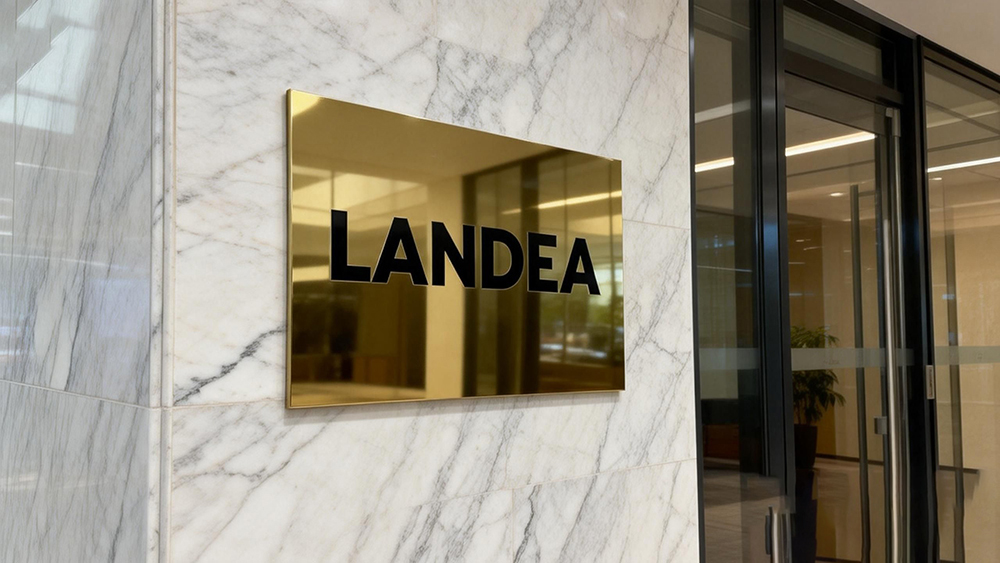
Architectural metal plaques can identify offices, hotels, institutions, and commercial properties while complementing surrounding finishes.
For these projects, consider the building as part of the design. A polished surface may suit an interior reception wall but create unwanted reflections near a sunlit entrance.
Review lettering, background contrast, and mounting position together. A beautifully finished plaque still fails if visitors cannot read it comfortably.
Memorial and recognition signage must balance emotional significance with factual accuracy.
Names, dates, titles, and donor hierarchies deserve separate proofreading before production. Once lettering is cast, machined, or etched into metal, correcting approved information can require substantial rework.
For historical markers, divide the message into a clear heading, a concise explanation, and supporting details. Avoid shrinking the entire text simply to fit a predetermined footprint.
Custom metal nameplates can display model numbers, serial numbers, operating information, and manufacturer details.
Here, practical questions outweigh decorative preferences:
- Will operators read the plate while wearing protective equipment?
- Will cleaning products contact the graphics?
- Does the information change between production batches?
- Must a barcode remain readable after installation?
Distinguish permanent information from variable data before selecting the marking method.
Metal plates can support point-of-purchase displays, branded fixtures, product presentations, and reception environments.
A coordinated plate system helps maintain consistent typography, proportions, and finishes across multiple locations.
However, consistency requires more than sharing a logo file. Establish an approved finish sample and artwork standard so future orders have a clear reference.
The manufacturing process influences appearance, detail, weight, and cost. It should follow the design requirements rather than dictate them prematurely.
Casting forms a plaque by introducing molten metal into a mold.
Cast plaques suit traditional memorials, dedications, and architectural designs where dimensional lettering and substantial visual presence matter.
Do not assume that every fine detail will reproduce exactly as it appears on screen. Ask the manufacturer to review small text, intricate logos, and relief elements before approving the design.
Machining removes material from metal stock to produce the required design.
This approach can create defined lettering, consistent backgrounds, and detailed borders. It is useful when a project combines architectural presence with carefully controlled geometry.
Confirm minimum text sizes, achievable relief, edge treatment, and finish compatibility with the proposed material. These limits depend on the equipment and production approach.
Etching selectively removes material to create recessed or raised visual elements, depending on the process.
Etched metal plaques can accommodate detailed line artwork, diagrams, and compact information layouts. Recessed areas may also receive color infill.
Ask how the graphics will be protected and maintained. The metal substrate and any applied infill may respond differently to weathering or cleaning.
Thin-gauge plates suit identification tasks where a substantial plaque is unnecessary.
They can work well for equipment labels, seat numbers, product branding, and smaller informational signs.
Their performance depends partly on support. A thin plate attached to a flat panel faces different stresses from one spanning an uneven wall.
| Process | Useful when the project needs | Main point to confirm |
|---|---|---|
| Casting | Traditional dimensional appearance | Detail reproduction and weight |
| Machining | Defined geometry and controlled relief | Feature sizes and surface finish |
| Etching | Fine graphics and dense information | Etch specification and infill |
| Thin-gauge fabrication | Lightweight identification | Support, attachment, and marking durability |
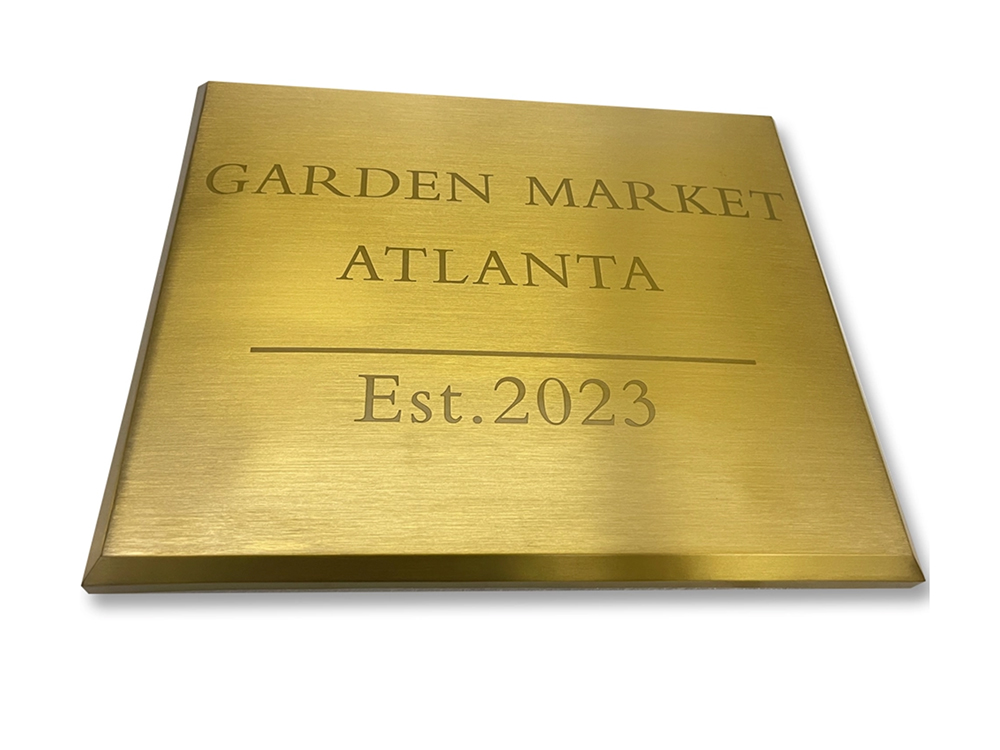
There is no universally best metal. Match the material to the environment, appearance requirements, and maintenance plan.
Bronze and brass are established options for commemorative and decorative signage.
Their appearance can change with exposure. If maintaining a particular color is important, discuss protective finishes, cleaning requirements, and acceptable aging before placing the order.
A reference photograph alone cannot define future appearance. Agree on whether natural surface changes are desirable or should be minimized.
Aluminum is useful when weight matters, especially for larger signs and thin identification plates.
Anodizing converts the aluminum surface into an integrated oxide layer that improves corrosion and abrasion resistance. However, outdoor color performance also depends on the anodizing specification, dye, and sealing quality.
Request information about the complete finish system, not simply an "anodized aluminum" description.
Stainless steel supports clean, contemporary designs, but it is not immune to staining or corrosion.
Grade selection, surface finish, fabrication, and cleaning all influence performance. Coastal exposure requires particular attention because chloride-containing deposits can contribute to localized corrosion.
Specify the actual grade and operating environment. "Stainless steel" alone is not a complete purchasing specification.
"Outdoor use" is too broad to guide material selection.
A covered entrance, an irrigated garden, and a seafront promenade expose signage to different conditions. Record:
- Direct sunlight and rainfall.
- Salt spray or road salt.
- Irrigation and standing water.
- Cleaning agents and cleaning frequency.
- Public contact and abrasion.
- Access for future maintenance.
This exposure profile helps the manufacturer assess the substrate, graphics, coating, and mounting hardware as one system.
Artwork approved on a monitor may perform differently on a wall.
Review the design at actual size whenever possible. Check the longest line, smallest text, logo detail, and contrast under representative lighting.
For an interpretive plaque, the reader may approach closely. For building identification, the message may need to work from farther away.
Resolve that difference before adding more text or decorative detail.
Not every metal sign requires braille, and adding braille does not automatically make a sign compliant.
For applicable U.S. tactile signs, requirements address raised characters, braille, placement, and other features. Visual requirements can include non-glare surfaces and contrasting characters and backgrounds.
The U.S. Access Board specifies tactile character positioning between 48 and 60 inches, measured using defined character baselines—not the overall plaque edges.
Have the responsible designer or compliance professional verify the complete specification. Projects outside the United States require review against the relevant local rules.
Mounting affects appearance, security, and serviceability.
Common approaches include concealed studs, exposed screws, frames, and adhesive systems. The appropriate choice depends on sign weight, wall construction, exposure, and access.
Before manufacturing, confirm:
1. The substrate: masonry, concrete, timber, metal, or another surface.
2. The plaque dimensions, thickness, and expected weight.
3. Hole positions and available fixing depth.
4. Whether concealed services restrict drilling.
5. Whether the sign must be removable.
6. Who supplies the template, fixings, and installation instructions.
Avoid treating adhesive as a universal alternative to mechanical attachment. Its suitability depends on the product, surface preparation, loads, and environmental conditions.
For exterior assemblies, also discuss drainage and material compatibility with the installer.
A complete brief produces a more useful quotation than a request based only on dimensions.
Provide the following information:
| Specification | What to include |
|---|---|
| Purpose | Identification, recognition, navigation, or equipment labeling |
| Location | Indoor or outdoor, with exposure details |
| Dimensions | Width, height, and space restrictions |
| Artwork | Logo files, exact wording, and layout preferences |
| Material | Preferred metal or a request for recommendations |
| Finish | Color, texture, sheen, and reference samples |
| Graphics | Raised, recessed, etched, printed, or other requirements |
| Mounting | Surface type, fixing preferences, and access |
| Quantity | Initial order and likely repeat requirements |
| Schedule | Required delivery and installation dates |
Before approval, separate content checking from visual checking. One person should verify names, dates, numbers, and translations; another should review proportions, alignment, and finish expectations.
For larger or repeat programs, request an appropriate sample or first article before authorizing the full run.
A successful plaque starts with a clear brief and an agreed definition of quality.
Send Landea Signs Co., Ltd. your intended application, dimensions, quantity, artwork, installation surface, and exposure conditions. Ask us to discuss a personalized signage solution and clarify the material, finish, mounting, and approval requirements before production.
The best choice depends on exposure, desired appearance, maintenance, and budget. Bronze, aluminum, and stainless steel can all be suitable when properly specified. Coastal or chemically demanding locations need more detailed material and finish review.
Etching can reproduce detailed artwork, but achievable results depend on line width, spacing, material, and process. Submit vector artwork and request a manufacturability review rather than assuming every screen detail will transfer successfully.
Yes, suitable production methods can incorporate tactile elements. However, the complete sign must meet applicable requirements for character design, braille, contrast where required, and installation. Material choice alone does not establish compliance.
There is no reliable universal lifespan. Material grade, graphics, protective finishes, installation, and maintenance all affect service life. Ask for product-specific warranty terms and the conditions attached to them.
Provide a vector logo where available, editable or clearly documented text, brand color references, and intended dimensions. Include separate instructions for variable information such as serial numbers or donor names.
Compare equivalent materials, thicknesses, finishes, graphics, mounting accessories, proofing, packaging, and delivery terms. A lower headline price may exclude components or approval stages included elsewhere.
1. [Gemini — "Unique Plaque and Plates Applications to Make Your Project Shine"]. Original source for application categories and the comparison of cast, precision-tooled, etched, and thin-gauge products. Supplier-specific capabilities have not been presented as Landea capabilities. [geminimade]
2. [U.S. Access Board — "Chapter 7: Signs"]. Official guidance supporting the discussion of tactile characters, braille, visual contrast, non-glare finishes, and mounting measurements. [access-board]
3. [worldstainless — "Corrosion Properties"]. Industry technical information supporting the discussion of stainless steel, chloride-related corrosion, grade selection, and environmental suitability. [worldstainless]
4. [Aluminum Anodizers Council — "A Conclusive FAQ Guide for Anodized Aluminum"]. Technical background on corrosion and abrasion resistance, outdoor color performance, anodic film characteristics, and sealing. [anodizing]
5. [Aluminum Anodizers Council — "Common Applications for Anodized Aluminum"]. Industry background on anodized aluminum applications, including nameplates and architectural components. [anodizing]
6. [worldstainless — "Understanding Corrosion: Chapter 4—Tea Staining"]. Additional context on how grade selection, fabrication, surface finish, and cleaning influence staining. [worldstainless]


