From idea to market-ready product, our SIGNS solutions make every stage easier, faster. Discover How We Help

Views: 262 Author: Landea Signs Publish Time: 2026-08-05 Origin: Site


Content Menu
● What Makes Edgelit Acrylic Signs Different
● What Makes Backlit Fabric Lightboxes Different
● Edgelit Acrylic Signs vs. Backlit Fabric Lightboxes: Side-by-Side
● Where the Industry Is Heading in 2026
>> Smarter, More Efficient LED Drivers
>> IoT-Connected Sign Monitoring
>> Weather-Resistant Materials for Outdoor Use
● A Practical Decision Framework
● An Expert's Take from the Manufacturing Floor
● Cost Considerations Beyond the Sticker Price
● Making the Right Choice for Your Brand
Choosing between edgelit acrylic signs and backlit fabric lightboxes shapes how your brand looks, how much energy you consume, and how much you'll spend over the next decade. As a manufacturer specializing in illuminated lettering and custom sign systems, we've built both formats for retail storefronts, corporate lobbies, and trade show booths, and the right choice always depends on your space, budget, and visual goals.
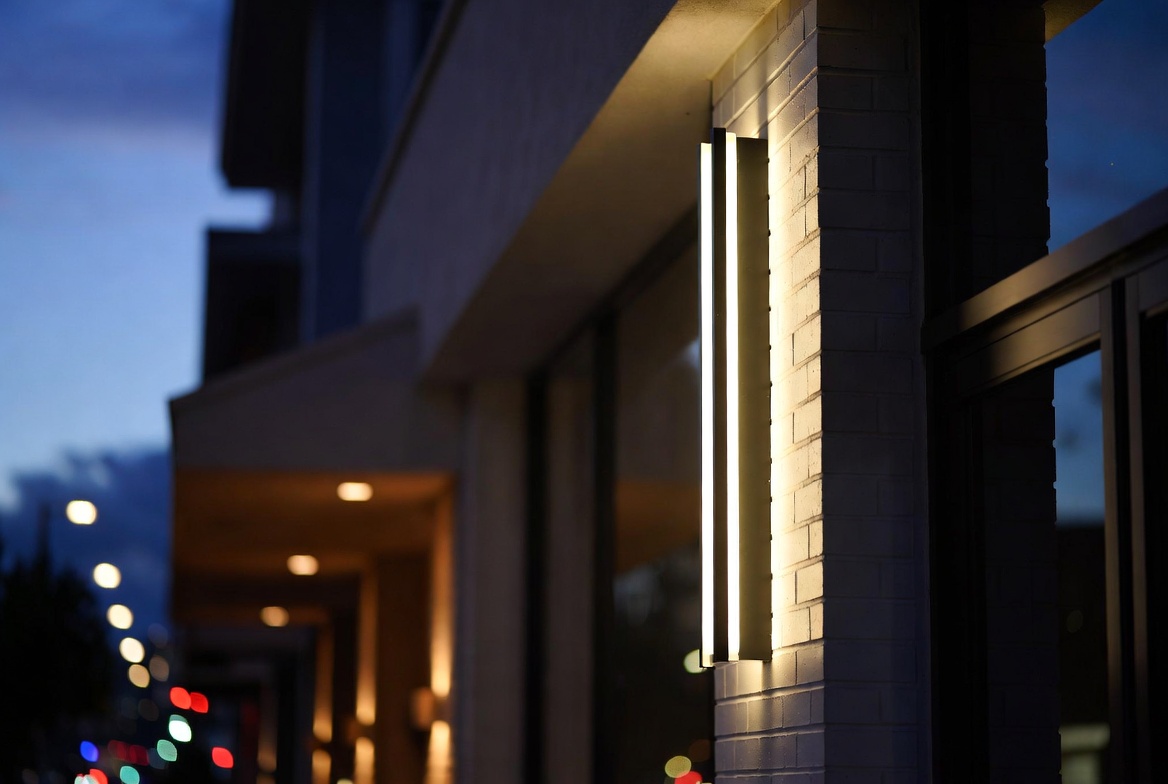
Edgelit acrylic signage works by injecting light from LEDs positioned along the edge of a clear or frosted acrylic panel. The light travels sideways through the panel and refracts outward, creating a soft, even glow across the surface without needing bulbs directly behind the graphic.
This design has three defining traits:
- Slim profile — cabinets can be under 1 inch deep, making them ideal for tight retail spaces
- Fewer components — a medium-sized edgelit panel may need only around 100 LEDs, compared to roughly 800 in a comparable direct-backlit unit
- Lower energy draw — fewer LEDs translate directly into reduced electricity costs over time
Edgelit signs work best for wall-mounted logo displays, directional signage, and menu boards where a crisp, uniform edge glow matters more than maximum brightness.
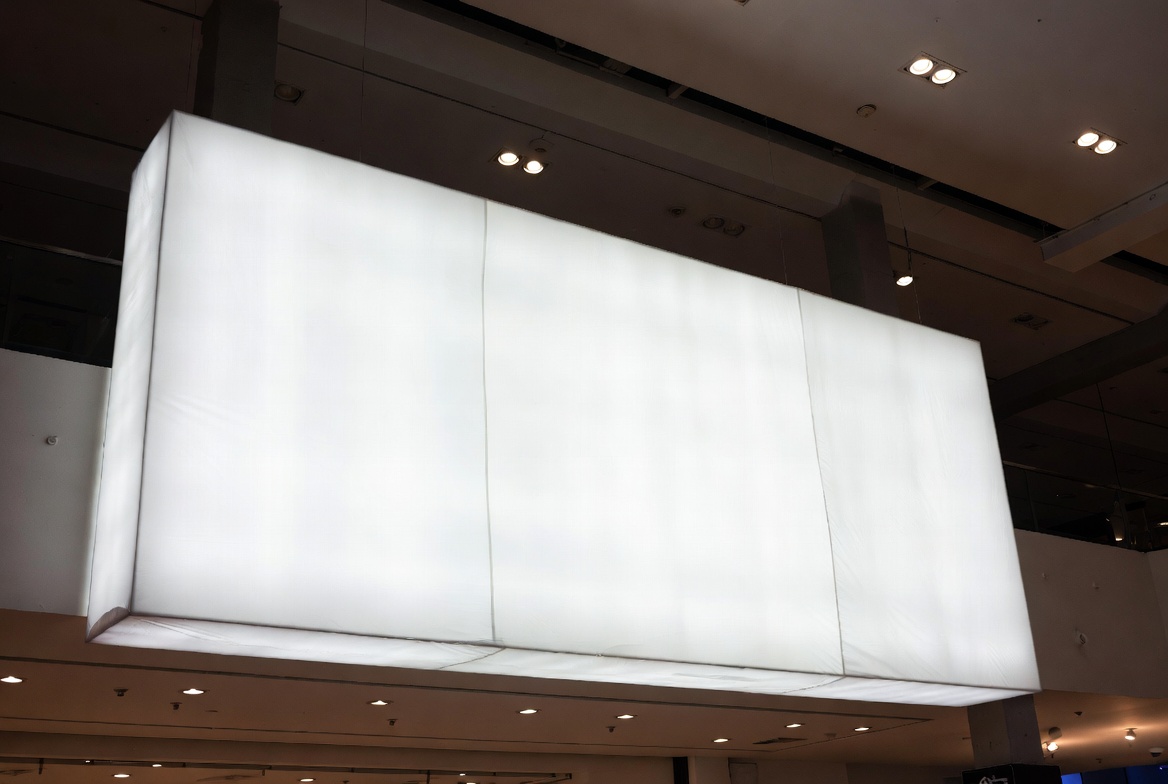
Backlit fabric lightboxes use a stretched fabric graphic (often called SEG, or silicone edge graphic) fitted into an aluminum frame, with light sources positioned directly behind the fabric. The silicone bead sewn into the fabric's edge tucks into a recessed channel, producing a drum-tight, frameless finish.
Key characteristics include:
- Superior brightness — direct lighting behind the graphic produces a more intense glow than side-lit alternatives
- Larger format capability — fabric panels scale well for oversized displays, spanning storefronts or entire building facades
- Textile flexibility — fabric graphics can be swapped out quickly for seasonal promotions or rebranding
This format suits large-format retail walls, airport advertising panels, and hospitality environments where impact and scale take priority over depth.
| Factor | Edgelit Acrylic Signs | Backlit Fabric Lightboxes |
|---|---|---|
| Cabinet depth | Under 1 inch typical | Deeper cabinet required |
| Brightness | Soft, even, moderate | High, bold illumination |
| LED count (medium size) | ~100 LEDs | ~800 LEDs |
| Energy consumption | Lower | Higher |
| Graphic swap speed | Slower (bonded acrylic) | Fast (removable fabric) |
| Best display size | Small to mid-size | Mid to very large format |
| Upfront cost | Generally lower | Generally higher |
| Ideal use case | Storefront logos, wayfinding | Facades, large retail walls |
Data drawn from lightbox technology comparisons confirms this trade-off is consistent across manufacturers: thinness and efficiency favor edgelit designs, while raw brightness and scale favor fabric backlit systems.
Illuminated signage manufacturing is shifting fast, and three developments are reshaping how buyers should think about this comparison.
Newer LED systems entering the market in 2026 are being engineered for greater energy savings and smarter dimming controls that automatically adjust output based on ambient light and time of day. For edgelit signage, this compounds an already efficient format, cutting operating costs even further for 24-hour storefront displays.
Facilities are increasingly adopting sensor-based monitoring that tracks LED performance remotely and flags maintenance needs before a panel fails. This matters for backlit fabric lightboxes especially, since larger installations have more LEDs that can fail unnoticed behind fabric graphics.
Manufacturers are prioritizing corrosion-resistant, temperature-tolerant components for outdoor and coastal installations. This is a critical consideration for any brand placing illuminated signage near marine environments, ports, or high-humidity regions, where both acrylic edge-lighting and fabric frames need protective treatments.
Use this simple checklist before committing to either format:
1. Measure your available depth. If your mounting surface allows less than 2 inches of clearance, edgelit acrylic is typically the only viable option.
2. Define your display size. For anything wider than roughly 10 feet, fabric backlit systems scale more affordably than acrylic panels.
3. Estimate your operating hours. Signs running 12+ hours daily benefit more from the lower LED count of edgelit designs.
4. Plan for graphic updates. If your messaging changes seasonally, fabric's quick-swap capability saves significant labor cost over the sign's lifespan.
5. Factor in installation environment. Outdoor, coastal, or high-humidity locations require weather-rated components regardless of which format you choose.
Having produced both illuminated lettering formats for clients across retail, hospitality, and corporate sectors, our observation is that the "better" option is rarely universal. Edgelit acrylic consistently wins for brands prioritizing a clean, minimalist storefront presence with lower long-term energy bills. Backlit fabric lightboxes consistently win when a brand needs to command attention across a large wall or facade, particularly in high-traffic retail centers where visual dominance drives foot traffic.
One practical example from real-world deployment: a mid-size retail chain switching from direct-backlit boxes to edgelit acrylic panels for interior wayfinding cut their LED count by roughly 85% per unit while maintaining acceptable brightness for indoor use — a direct reflection of the component differences documented in lightbox engineering comparisons. Conversely, brands installing exterior facade signage have consistently opted for fabric backlit systems because acrylic panels of equivalent scale become impractical to manufacture and ship as single units.
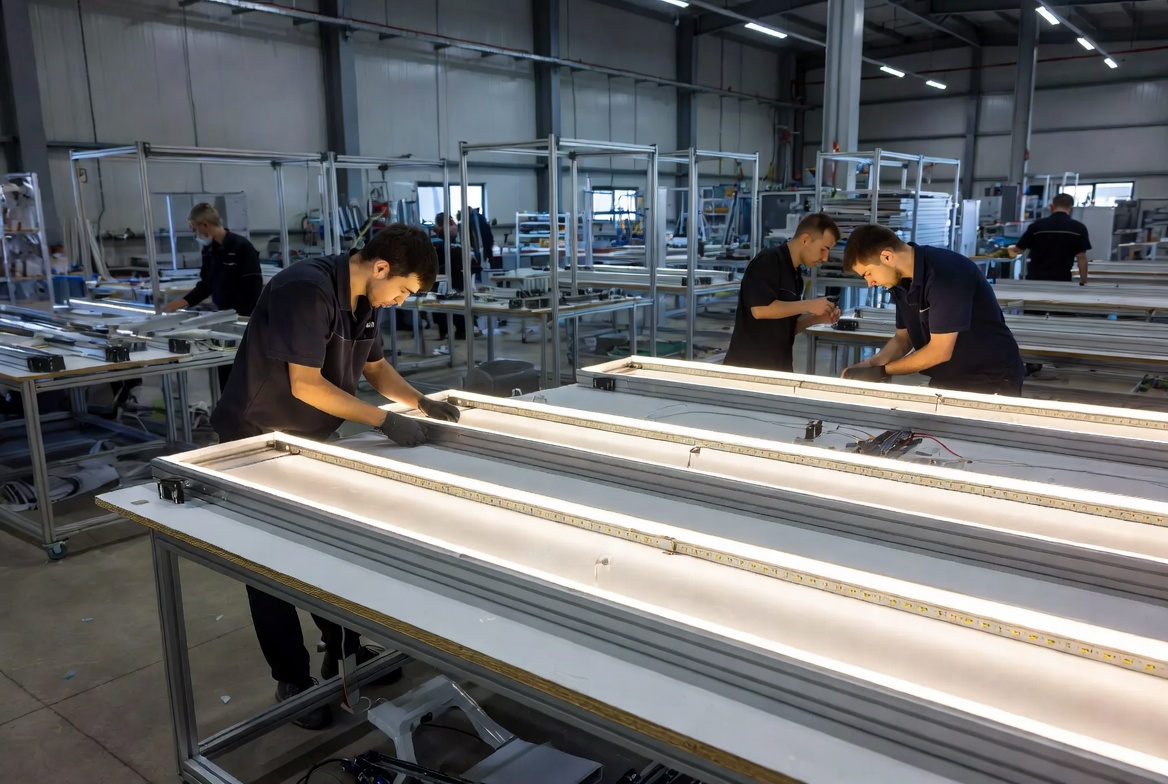
Upfront investment tells only part of the story. Consider these longer-term cost factors:
- Bulb/LED replacement cycles — fewer components in edgelit designs generally mean fewer maintenance callouts
- Electricity usage over 5-10 years — an 800-LED fabric lightbox running continuously will draw substantially more power than a 100-LED edgelit equivalent
- Graphic reprint costs — fabric graphics are typically cheaper and faster to reprint than bonded acrylic panels
- Shipping and installation — larger fabric frames may require professional installation crews, adding to project cost
Both edgelit acrylic signs and backlit fabric lightboxes are proven, effective illuminated signage technologies — neither is objectively superior, but one will fit your specific space, budget, and brand goals better than the other. If you're planning a signage project and want manufacturing guidance tailored to your exact dimensions, lighting needs, and installation environment, reach out to our team at Landea Signs Co., Ltd. for a custom consultation and quote — we'll help you match the right illuminated lettering solution to your brand's real-world requirements.
Q1: Which is brighter, edgelit acrylic or backlit fabric lightboxes?
Backlit fabric lightboxes are generally brighter because their LEDs sit directly behind the graphic, while edgelit panels rely on indirect side lighting.
Q2: Are edgelit acrylic signs cheaper to run long-term?
Yes. Edgelit signs typically use far fewer LEDs than fabric backlit equivalents, which lowers both electricity costs and maintenance frequency.
Q3: Can backlit fabric lightboxes be used outdoors?
Yes, provided the frame and fabric materials are weather-rated; 2026 manufacturing trends emphasize corrosion-resistant components for outdoor installations.
Q4: How thin can an edgelit acrylic sign cabinet be?
Many edgelit designs achieve cabinet depths under 1 inch, making them suitable for tight or shallow mounting spaces.
Q5: How often do fabric graphics need replacing compared to acrylic panels?
Fabric graphics can be swapped quickly and affordably for rebranding or seasonal campaigns, while acrylic panels are more time-consuming and costly to replace since the graphic is often bonded to the panel.
Q6: Which option is better for a small retail storefront?
Edgelit acrylic signage is usually the better fit for small storefronts due to its slim profile, lower energy use, and clean aesthetic for logos and wayfinding.
1. Blue River Digital, "Direct-Backlit vs. Edgelit Lightboxes" — https://bluer.digital/blog/direct-backlit-vs-edgelit-lightboxes
2. Textile-Flex, "Comparison: Edge Lit Frame vs Backlit Lightbox" — https://www.textile-flex.com/edge-lit-frame-vs-backlit-lightbox
3. Premium Signage Buyer's Guide, "Premium Backlit Fabric Signage: A Buyer's Guide" — https://www.premiumsignage.com/backlit-fabric-signage-buyers-guide
4. Sansi LED, "LED Lighting Trends for 2026: What's Next in Stadium and Industrial Facilities" — https://www.sansi.com/blog/led-lighting-trends-2026
5. LightWave, "Edge-Lit vs. Direct-Lit vs. Side-Lit vs. Flex LED Sheets" — https://www.lightwavellc.com/edge-lit-vs-direct-lit-vs-side-lit-vs-flex-led-sheets


