From idea to market-ready product, our SIGNS solutions make every stage easier, faster. Discover How We Help

Views: 298 Author: Landea Signs Publish Time: 2026-10-02 Origin: Site


Content Menu
● When Does Exterior Signage Need an Update?
● Repair or Replace an Outdoor Business Sign?
>> A Simple Repair-versus-Replacement Worksheet
● How to Assess the Sign Before Requesting Quotes
● Choose Materials for the Actual Exposure
>> Match Brand Color Without Sacrificing Readability
● Plan Lighting, Mounting, and Service Access Together
● Check Permits, Electrical Safety, and Accessibility
● Three Upgrades That Add Value Beyond a New Face
>> 1. Design for Replacement of Individual Parts
>> 2. Validate Legibility From the Customer's Route
>> 3. Build a Maintenance Record
● A Practical Exterior Signage Update Process
● Plan Your Next Sign with Landea Signs
>> Is it cheaper to repair or replace exterior signage?
>> Can I keep the old sign cabinet and install new LED lighting?
>> Which material is best for outdoor business signs?
>> Do I need a permit to replace a storefront sign?
>> How can I prevent my new sign from fading?
>> Are exterior business signs required to have braille?
A faded, flickering, or outdated sign can make a good business harder to find. But updating exterior signage does not always mean starting over. The right decision depends on what has failed, what still works, and whether the existing sign can meet your current visibility, branding, and site requirements. This guide helps business owners, sign shops, and facilities teams decide when to repair an outdoor business sign, when to replace it, and how to plan a durable upgrade.
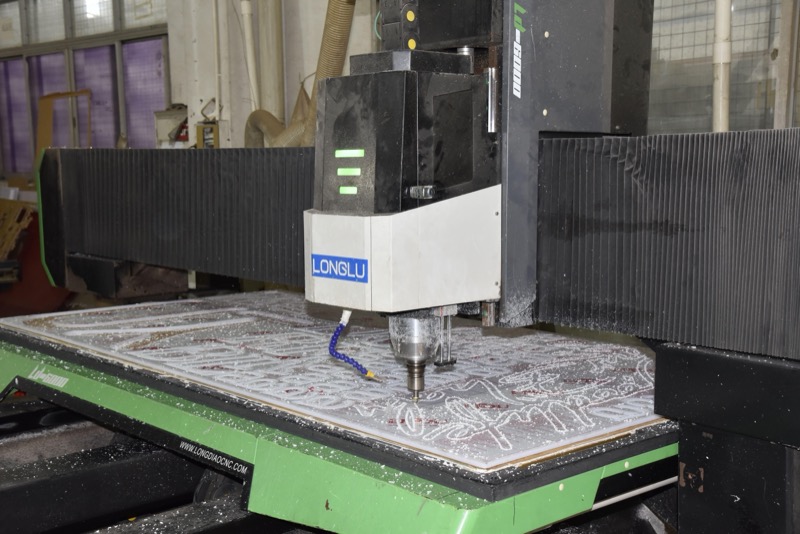
Walk the site in daylight and after dark. Photograph the sign from the sidewalk, parking entrance, and usual customer approach. A close-up may reveal a loose letter, but a distance view shows whether customers can actually read the business name.
Look for these warning signs:
- Physical damage: Loose letters, cracked faces, corroded fasteners, warped panels, or chipped finishes.
- Lighting problems: Dark LED modules, uneven brightness, intermittent operation, or water inside an enclosure.
- Brand mismatch: Old logos, faded colors, or a sign that no longer reflects the business.
- Visibility problems: Trees, neighboring signs, glare, poor contrast, or letters that disappear against the facade.
- Mounting concerns: Staining, movement, failed sealant, or deterioration around wall penetrations.
Treat a loose overhead sign, exposed wiring, or a visibly unstable support as a safety issue. Keep people clear and arrange an inspection by a qualified local professional. A cosmetic refresh should never conceal a structural or electrical defect.
The most useful question is not "Which option is cheaper today?" It is "Which option solves the problem for the expected service period without creating avoidable risk?" A repair makes sense when the sign still fits the site and the fault is localized. Replacement becomes more compelling when failures are widespread or the original design no longer meets the brief.
| Condition | Usually consider repair | Usually consider replacement |
|---|---|---|
| Letters and finish | A few damaged components; sound backing and consistent color can be restored | Widespread fading, brittle faces, or repeated finish failures |
| Lighting | A serviceable power supply or compatible modules can be replaced safely | Multiple electrical faults, obsolete components, or moisture-damaged assemblies |
| Brand and legibility | Layout, scale, and message remain effective | New identity, poor contrast, or inadequate viewing distance |
| Structure and mounting | Attachment points and substrate pass inspection | Corrosion, movement, failed wall substrate, or an unsuitable mounting method |
| Project scope | A defined fix with a clear parts and labor quote | Several repairs plus access work approach the cost of a new system |
Do not use a universal age or percentage rule. Compare itemized quotes instead: access equipment, removal, parts, refinishing, wiring, permits, installation, and future maintenance. A low-cost face replacement may be sensible; repeated lifts to fix an aging illuminated cabinet may not be.
Request two comparable proposals where feasible. For each, record the upfront price, remaining components left in service, warranty terms, expected access needs, and any interruption to business. Then list what each proposal does *not* fix.
For example, replacing only a faded face will not repair a leaking cabinet. A new LED system may improve illumination, but it will not correct a blocked sightline unless its position or dimensions change. This worksheet turns a subjective choice into a reviewable purchasing decision.
A useful site survey reduces redesigns and prevents suppliers from pricing different scopes. Ask the sign shop or installer to document:
1. Existing dimensions and location: Overall sign size, letter height, facade material, installation height, and approach directions.
2. Construction: Letter or cabinet material, face type, finish, illumination method, access panels, and any available drawings.
3. Condition: Dated photographs of damaged areas, supports, mounting points, water entry, and night-time lighting.
4. Electrical details: Supply location, service access, operating hours, and known failures. Leave live testing to a qualified electrician.
5. Project constraints: Landlord approval, local sign rules, working hours, lift access, and protection of pedestrian routes.
If accurate drawings are unavailable, verify measurements on site before fabrication. For an older sign, do not assume a new face, LED retrofit, or replacement letter will fit the existing housing. Confirm tolerances, fixing patterns, drainage, and the condition of the components you plan to retain.
There is no universally best exterior sign material. The right choice depends on size, desired appearance, weather exposure, mounting surface, and maintenance expectations.
| Option | Where it can work well | What to check before specifying |
|---|---|---|
| Aluminum letters or panels | Lightweight fabricated signs and broad finish choices | Coating specification, edge treatment, and corrosion resistance at fixings |
| Stainless steel letters | Premium dimensional lettering and demanding locations | Grade, finish, dissimilar-metal contact, and cleaning plan |
| Acrylic faces or letters | Crisp color and illuminated applications | Thickness, UV performance, thermal movement, and replaceability |
| Formed plastic letters | Dimensional shapes at suitable scale | Color stability, stiffness, attachment design, and local climate |
Material names alone do not predict service life. Ask for a complete specification: base material, thickness, coating or laminate, fastener material, lighting components, and maintenance instructions. In coastal or high-moisture locations, pay particular attention to finish systems, water management, and compatible hardware.
A color reference taken from a faded sign can reproduce the *wrong* color. Whenever possible, use an approved brand standard or an unfaded sample. Review a physical finish sample in daylight and under the planned illumination, because face material, surface gloss, and lighting can change the perceived result.
Check the entire sign from its intended viewing position. A thin script may look elegant on a design proof yet become difficult to identify across a car park. Keep the primary business name prominent; put secondary messages where a customer can stop and read them safely.
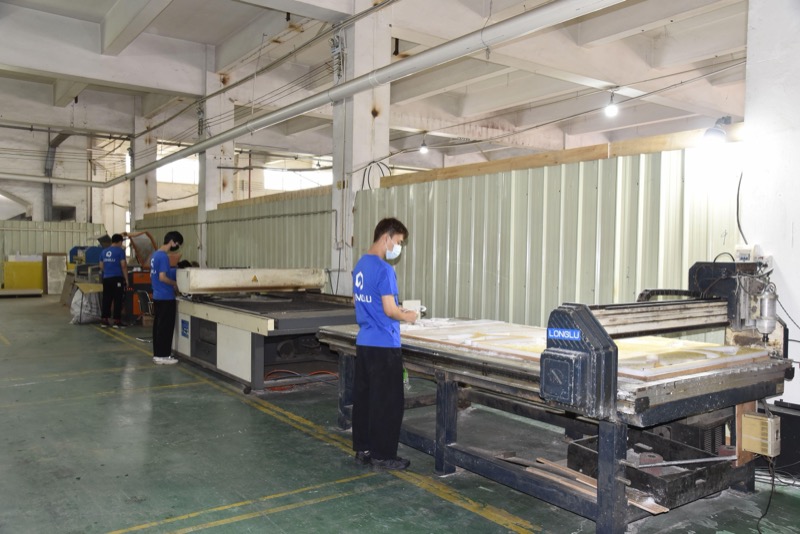
Illumination should support recognition, not simply make the sign brighter. Front-lit channel letters, halo-lit letters, and illuminated cabinets create different effects. Test the intended appearance at night, especially against reflective glass or a bright surrounding facade.
LEDs can be an efficient choice, but a lamp-level energy claim is not a guaranteed saving for a finished sign. Compare the actual input wattage, operating hours, controls, and maintenance needs of the proposed assembly with the existing one. Also ask how a failed power supply or module will be reached and replaced.
Mounting affects both appearance and future repair. Individual stud-mounted letters create a clean facade but require suitable backing and carefully planned penetrations. A raceway can consolidate wiring and simplify some installations, though it remains visible. A backer panel can improve contrast or cover previous fixing marks. A projecting sign may improve visibility from both directions, but its support and clearance deserve special attention.
Before approving fabrication, request a mounting detail showing substrate, anchors, cable route, weather sealing, and service access. The installer should verify site conditions; a drawing cannot establish the strength of a hidden wall assembly.
Local rules come before production. Sign size, projection, lighting, and placement may be controlled by the municipality, landlord, or property agreement. In many communities, a new sign requires a permit; whether a repair or retrofit also needs approval depends on the scope and location. Confirm the applicable rules with the local authority and installer rather than assuming that an existing sign is automatically grandfathered.
For U.S. electric-sign projects, ask the qualified sign contractor how the proposed assembly and installation address applicable electric-sign requirements. If components are being retrofitted, verify that the selected kit and installation method are appropriate for the existing sign and its outdoor exposure. Other countries and regions have different approval and electrical rules.
Accessibility is also project-specific. A storefront name or company logo is not automatically subject to the same requirements as a sign identifying a permanent room or directing visitors to an accessible entrance. If the project includes wayfinding, parking, or entrance signage, review the applicable accessibility standards separately. Do not use a decorative brand sign as a substitute for required directional information.
Ask whether the sign face, letters, power supplies, and LED modules can be accessed independently. Document part numbers and retain the final wiring and mounting drawings. A repairable assembly can reduce disruption when one component fails, especially on high facades where access equipment is costly.
Stand where customers first need to make a decision: the turn into the car park, the pedestrian approach, or the building entrance. Photograph the proposed sign area from each point. Review contrast, obstructions, and competing visual noise before choosing letter size or illumination. Design for the real sightline, not only the front elevation drawing.
Keep a dated baseline photograph after installation. Log cleaning, inspections, electrical repairs, and changes in color or brightness. A simple record helps distinguish an isolated fault from a recurring failure and gives the manufacturer or installer useful evidence for a warranty discussion. Arrange professional checks after storms or when attachments appear loose.
1. Define the goal. Decide whether the priority is safety, brand refresh, visibility, lower operating cost, or several of these.
2. Survey the existing sign. Capture day and night images, dimensions, mounting details, and known faults.
3. Confirm constraints. Check the landlord, local authority, electrical requirements, accessibility needs, and installation access.
4. Compare scopes. Price a targeted repair and a replacement against the same performance and finish requirements.
5. Approve samples and drawings. Verify color, dimensions, illumination, construction, fixing details, and proof of what stays in place.
6. Inspect the completed job. Check alignment, readability, finish, safe operation, drainage, and the handover documents.
The best outcome is not necessarily a completely new sign. It is a solution that looks right, works reliably, can be serviced, and meets the conditions of its location.
Landea Signs Co., Ltd. focuses on personalized advertising signage solutions. Send our team photographs of your existing sign, approximate dimensions, installation location, preferred finish, and the problem you want to solve. Tell us whether you are exploring a repair-compatible component, a refreshed design, or a full replacement. We can use that brief to discuss a tailored signage proposal; site verification, permits, and final installation requirements should be confirmed with the appropriate local professionals.
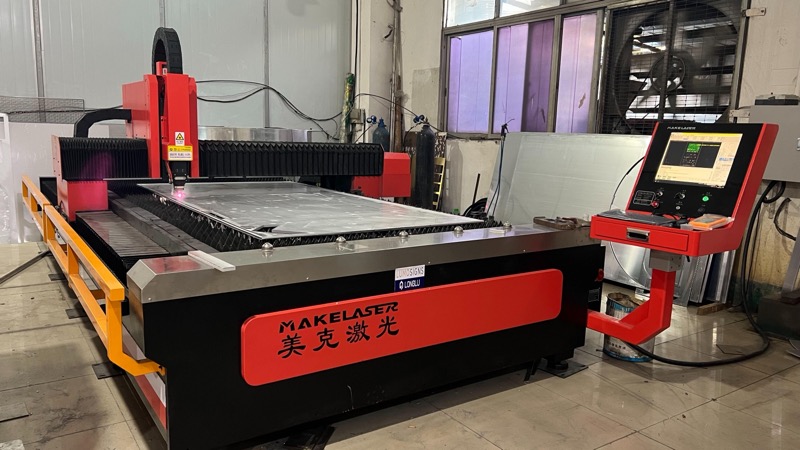
A localized repair is often less expensive upfront, but the answer depends on access equipment, hidden damage, component availability, and how many defects remain. Compare itemized, like-for-like quotes rather than judging by the face or letters alone.
Sometimes. A qualified sign professional must check the cabinet's condition, available space, wiring, suitability of the retrofit components, and applicable approval requirements. Water damage or an unsuitable enclosure can make replacement the better option.
The best material depends on exposure, appearance, structure, and budget. Aluminum, stainless steel, acrylic, and formed plastic can all work outdoors when properly specified and installed. Compare the entire assembly, not just the letter material.
Many jurisdictions require a permit for a new sign. Requirements for replacing a face, changing lighting, or altering dimensions vary locally. Confirm the exact scope with the permitting authority before ordering fabrication.
Start with suitable outdoor materials and finishes, approve a physical color sample, and follow the supplier's cleaning instructions. Ask what the finish warranty covers and whether the specified face or coating is appropriate for the site's sun and weather exposure.
Not every exterior sign is. In the United States, building names and company logos are generally exempt from the visual and tactile sign requirements discussed in the federal accessibility guide. Signs identifying certain permanent spaces or providing required accessibility information may have different obligations; assess each sign's function and location.
- Gemini, ["Replace or Repair: Tips for Updating Exterior Signage"]. Source article for the repair-versus-replacement premise, common defects, color, materials, and mounting options. Product-specific warranties and color-matching claims were not transferred to Landea Signs. [geminimade]
- International Sign Association, ["Permitting Resources"]. Background on local sign permits and approvals. [signs]
- UL Solutions, ["Electric Sign Certification and Sign Component Solutions"]. Background on electric signs, retrofits, relevant standards, and outdoor installation classifications. [ul]
- U.S. Access Board, ["Guide to the ADA Accessibility Standards: Chapter 7, Signs"]. Basis for distinctions between business names, permanent-space signs, and accessible-entrance wayfinding. [access-board]
- U.S. Department of Energy, ["Consumer Guide to Energy-Efficient Lighting"]. General LED efficiency context; lamp-level comparisons were intentionally not presented as sign-level savings. [energy]


