From idea to market-ready product, our SIGNS solutions make every stage easier, faster. Discover How We Help

Views: 277 Author: Landea Signs Publish Time: 2026-07-31 Origin: Site


Content Menu
● Introduction: Choosing the Right Illuminated Lettering Style
● What Are Face-Lit Acrylic Letters?
>> Key Features
● What Are Side-Lit (Halo-Lit) Acrylic Letters?
>> Key Features
● Face-Lit vs. Side-Lit: Core Differences
>> Visibility
>> Maintenance
● How to Choose Based on Brand Identity
>> Choose Face-Lit If Your Brand Is:
>> Choose Side-Lit If Your Brand Is:
● Environmental and Architectural Considerations
● Energy Efficiency and Longevity
>> Expert Tip
● Customization Trends in 2026
>> Example
● Step-by-Step: How to Decide the Right Option
● Why Customization Matters More Than Style
● FAQ
>> 1. Which is more durable: face-lit or side-lit acrylic letters?
>> 2. Are side-lit letters bright enough for outdoor use?
>> 3. Can I combine both lighting styles in one sign?
>> 4. What is the typical lifespan of LED illuminated letters?
>> 5. How do I maintain illuminated acrylic letters?
>> 6. Which option is more cost-effective?
When businesses invest in illuminated acrylic letters, they are not just purchasing signage—they are shaping how their brand is perceived at first glance. Two of the most popular options, face-lit acrylic letters and side-lit (halo-lit) acrylic letters, offer distinct visual effects, functional advantages, and brand positioning outcomes.
As a manufacturer working closely with global clients across retail, hospitality, and corporate sectors, we have observed that the "right" choice is rarely about aesthetics alone. It depends on brand identity, installation environment, lighting conditions, and long-term maintenance expectations.
This guide breaks down both options in depth, integrates real-world insights, and helps you confidently decide which style aligns with your brand strategy.

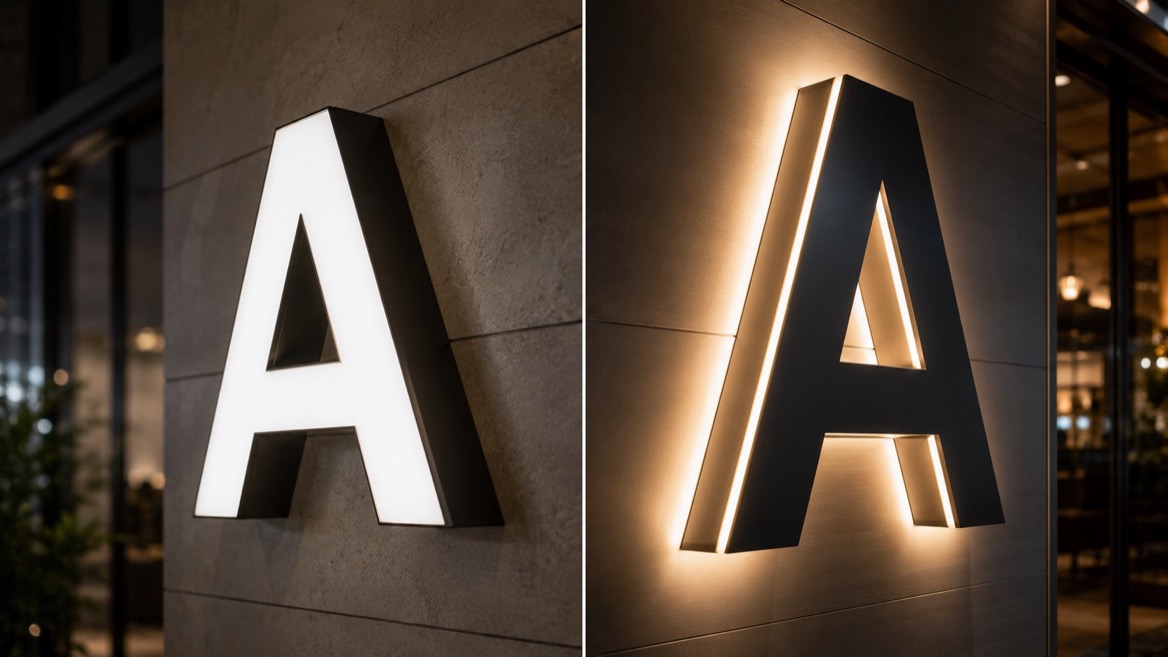
Face-lit acrylic letters are illuminated from the front surface. LED modules are installed inside the letter housing, and light passes through the acrylic face, creating a bright and direct visual effect.
- High brightness visibility, even from long distances
- Uniform illumination across the letter face
- Compatible with custom colors, logos, and fonts
- Often paired with metal or aluminum returns for durability
- Retail storefront signage
- Shopping malls and commercial complexes
- High-traffic outdoor environments
- Brands needing strong nighttime visibility
A global fast-food chain we worked with selected face-lit signage for over 200 locations. The reason was simple: consistent brightness across different urban environments, ensuring brand recognition both day and night.
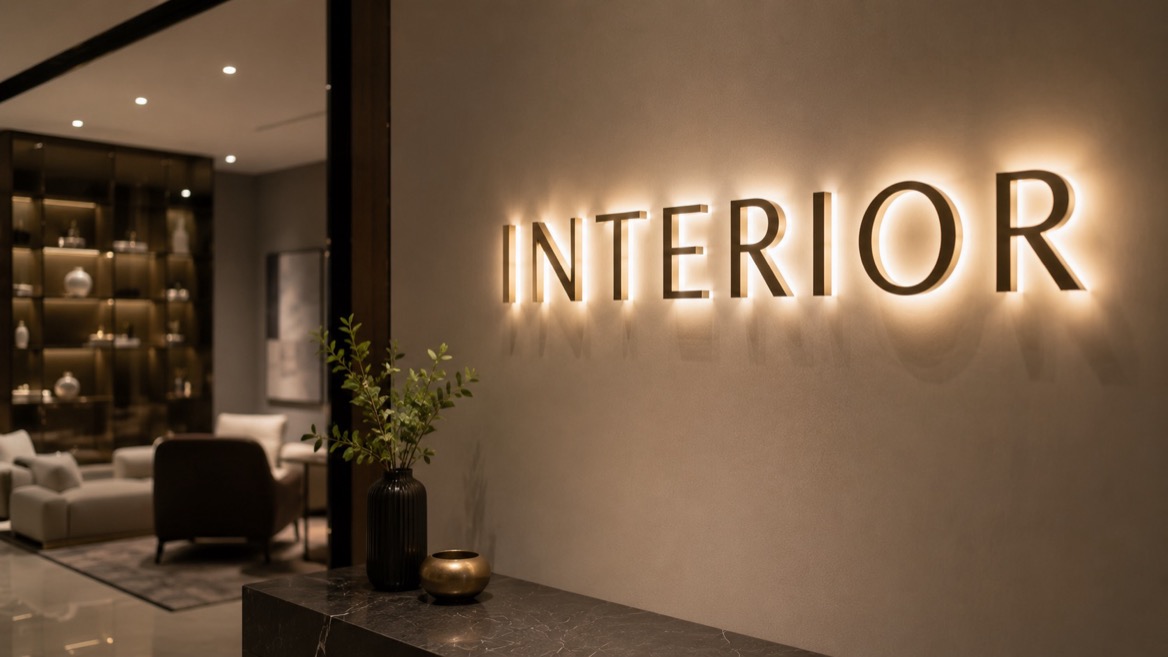
Side-lit acrylic letters, often referred to as halo-lit letters, emit light from the back or sides. The light reflects onto the mounting surface, creating a soft glowing halo effect.
- Elegant, indirect illumination
- Creates a floating visual effect
- Lower glare compared to face-lit designs
- Often constructed with metal faces and acrylic backs
- Corporate offices and headquarters
- Luxury retail stores
- Hotels, restaurants, and lounges
- Indoor branding environments
A premium cosmetics brand chose halo-lit signage for its flagship store to reinforce a minimalist and high-end identity, prioritizing atmosphere over brightness.
Understanding the distinctions between these two styles is essential for making a strategic decision.
- Face-lit: Direct, bright, highly visible
- Side-lit: Soft, diffused, ambient glow
- Face-lit: Bold, energetic, attention-grabbing
- Side-lit: Sophisticated, premium, subtle
- Face-lit: Strong visibility in daylight and nighttime
- Side-lit: Best suited for controlled lighting environments
- Face-lit: Easier and faster installation
- Side-lit: Requires precise spacing for halo effect
- Face-lit: Easier access to LED components
- Side-lit: Slightly more complex due to rear lighting setup
- Fast-paced and consumer-focused
- Targeting high foot traffic areas
- Focused on maximum exposure and readability
- Operating in competitive retail environments
- Premium or luxury-oriented
- Focused on experience and ambiance
- Located in indoor or low-light environments
- Prioritizing design aesthetics over brightness
- Outdoor signage benefits more from face-lit letters due to stronger visibility in daylight and weather conditions
- Indoor signage often favors side-lit letters for a softer and more refined effect
Halo-lit letters rely heavily on the background surface:
- Smooth surfaces enhance glow consistency
- Dark walls create stronger contrast
- Textured surfaces can diffuse or distort the halo effect
- Long-distance viewing: Face-lit is more effective
- Close-range viewing: Side-lit provides a premium experience
One often overlooked factor is energy consumption and lifespan.
- Typically use higher lumen output LEDs
- Slightly higher energy consumption
- Designed for maximum brightness and durability
- Use lower intensity LED modules
- More energy-efficient in controlled environments
- Longer perceived lifespan due to reduced thermal stress
For businesses operating 24/7, combining dimming systems or smart controllers can significantly reduce operational costs regardless of style.
Recent industry demand shows a shift toward hybrid illuminated signage, combining both styles.
- Face + halo lighting combination for layered visual effects
- RGB and programmable lighting for dynamic branding
- Ultra-thin acrylic letters for minimalist architecture
- Integration with smart building systems
A tech company recently adopted dual-lit signage—bright face illumination during the day and soft halo lighting at night—creating a dynamic brand presence across different time periods.
1. Define your brand personality (bold vs. refined)
2. Analyze installation environment (indoor vs. outdoor)
3. Consider viewing distance and lighting conditions
4. Evaluate maintenance and energy expectations
5. Review budget and long-term ROI
6. Request mockups or prototypes before final production
- Choosing based only on aesthetics without considering visibility
- Ignoring environmental lighting conditions
- Underestimating installation complexity
- Overlooking long-term maintenance costs
- Not testing prototypes before mass production
While the debate between face-lit and side-lit is important, the real differentiator lies in customization.
At Landea Signs Co., Ltd., we have found that successful signage projects often involve:
- Tailored material combinations (acrylic, stainless steel, aluminum)
- Precise color temperature control
- Custom mounting solutions for unique architectural surfaces
- Branding alignment across multiple locations
In many cases, the best solution is not choosing one style over the other—but adapting both to fit the brand ecosystem.
If you are planning a signage project, the most effective approach is to evaluate your needs with experienced professionals. A well-designed illuminated lettering system can significantly enhance brand visibility, customer perception, and long-term value.
Contact Landea Signs Co., Ltd. today to receive a tailored solution designed specifically for your brand environment and business goals.
Both are highly durable when manufactured with quality materials. Face-lit letters may have a slight advantage in outdoor environments due to their direct illumination design.
They can be used outdoors, but they are generally less visible in strong daylight compared to face-lit letters. They perform best in low-light or nighttime settings.
Yes, hybrid designs are increasingly popular and allow for both strong visibility and aesthetic appeal.
High-quality LED systems typically last between 30,000 to 50,000 hours, depending on usage and environmental conditions.
Regular cleaning and periodic inspection of electrical components are recommended. Face-lit letters are generally easier to maintain.
Face-lit letters are usually more cost-effective upfront, while side-lit letters may offer better long-term energy efficiency in certain environments.
1. https://www.signindustry.com/led/articles/2024-led-signage-trends.php
2. https://www.ledinside.com/knowledge/2025/energy-efficient-led-signage
3. https://www.signresearch.org/resources/signage-impact-studies


