From idea to market-ready product, our SIGNS solutions make every stage easier, faster. Discover How We Help

Views: 282 Author: Landea Signs Publish Time: 2026-09-12 Origin: Site


Content Menu
● What Are Front and Halo Lit Channel Letters?
● How Dual-Lit Channel Letters Work
>> Core Components of a Dual-Lit Letter
● Why Businesses Choose Front and Back Lit Channel Letters
>> Stronger Visibility After Dark
>> A More Premium Brand Appearance
>> Flexible Day-and-Night Color Strategy
● Choosing the Right Materials for a Long-Lasting Sign
● How to Design a Dual-Lit Channel Letter Sign
>> 1. Define the Viewing Conditions
>> 2. Match the Letter Style to the Brand
>> 3. Evaluate the Mounting Surface
>> 4. Separate the Front and Rear Lighting Zones
>> 5. Plan Access and Maintenance
● Common Problems and How to Avoid Them
● Safety, Compliance, and Project Planning
● Why Work With Landea Signs Co., Ltd.
>> What is the difference between front-lit and halo-lit channel letters?
>> Can front and back lit channel letters use different colors?
>> Are dual-lit channel letters suitable for outdoor use?
>> Which wall surface is best for halo-lit letters?
>> Should I choose direct mounting or a raceway?
>> How can I improve nighttime readability?
>> Can dual-lit channel letters be used indoors?
Front and halo lit channel letters combine high-impact face illumination with a refined rear glow, giving brands a sign solution that remains clear from a distance while creating a premium architectural presence after dark. For retail stores, hospitality venues, offices, shopping centers, and commercial developments, this dual-lit channel letter style can turn a standard logo into a highly visible, memorable part of the building itself.
At Landea Signs Co., Ltd., we work with businesses, sign companies, architects, and project contractors that need more than a standard illuminated sign. They need a custom-built solution that fits the brand identity, installation surface, viewing distance, local requirements, and real-world operating conditions. That is where front and back lit channel letters, also called dual-lit channel letters or front and halo lit signs, offer a distinct advantage.
A well-made illuminated letter sign should not simply "light up." It should be easy to read, visually balanced, structurally dependable, and appropriate for the location. The best result comes from treating the sign as a complete system: letter size, face color, LED layout, return depth, wall finish, mounting method, electrical routing, and installation environment all matter.

Front and halo lit channel letters are three-dimensional, individually fabricated letters or logos that emit light in two directions:
- Front illumination shines through the letter face toward the viewer.
- Halo illumination projects from the rear of the letter onto the mounting surface.
- Dual illumination combines these effects in one custom channel letter sign.
The front-lit portion gives the signage direct brightness and fast recognition. The rear halo creates separation between the letter and wall, making the sign feel deeper, more dimensional, and more sophisticated.
This construction is particularly effective when a business needs strong nighttime visibility without sacrificing a polished daytime appearance. It is commonly selected for branded storefronts, hotel entrances, restaurants, corporate offices, medical facilities, shopping malls, and high-end retail environments.
Unlike a basic flat sign panel, dual-lit lettering creates a visual hierarchy. The illuminated face communicates the name or logo clearly. The halo effect adds atmosphere, depth, and a sense of quality.
A front and halo lit sign is not simply a front-lit letter with extra LEDs added behind it. It requires a purpose-built internal design so that the front lighting and rear lighting remain controlled, balanced, and visually distinct.
A typical custom dual-lit channel letter may include:
- Acrylic face for front illumination.
- Aluminum or stainless-steel returns that create the letter depth.
- Metal or acrylic back panel, depending on the desired rear-lighting effect.
- LED modules arranged for even face illumination.
- Separate LED modules or lighting zones for the halo effect.
- Internal divider or partition panel to separate front and rear light chambers.
- Trim cap, when required, to secure the acrylic face.
- Power supplies, wiring, and mounting hardware selected for the project conditions.
The internal divider is especially important when the sign uses two different light colors. For example, a restaurant may use warm white front lighting for readability and amber halo lighting for atmosphere. Without a properly designed separation system, light can bleed between zones and reduce the visual clarity of the sign.
In a front-lit channel letter, LEDs are installed inside the letter body and shine outward through a translucent acrylic face. This format delivers direct, readable light and is usually the best choice when visibility is the primary goal.
Front lighting works well for:
- Retail stores with late trading hours.
- Businesses located along busy roads.
- Storefronts viewed from a distance.
- Commercial tenants competing for attention in a dense retail area.
- Brands that require a bright, recognizable logo at night.
The face color must be chosen carefully. Some dark vinyl films and color treatments can significantly reduce light transmission. A face that looks excellent in daylight may appear dull or uneven at night if its material and LED configuration are not tested together.
Halo-lit channel letters, also known as reverse-lit or back-lit letters, emit light from the rear of the letter toward the wall. The face is generally opaque metal, while the back allows light to spread outward behind the letter.
This creates a soft, floating glow around each character.
Halo illumination is often chosen by brands that want a more understated, architectural appearance. It is especially suitable for:
- Boutique hotels and restaurants.
- Corporate reception areas.
- Premium retail stores.
- Property developers and office buildings.
- Luxury clinics, salons, and showrooms.
- Interior feature walls and branded lobbies.
The wall surface directly affects the halo effect. Light-colored, smooth, matte walls often produce the cleanest glow. Dark, heavily textured, porous, or highly reflective walls can alter the shape, brightness, and consistency of the halo.
The strongest benefit of a front and halo lit channel letter sign is the ability to combine both lighting directions without forcing the brand to choose only brightness or only elegance.
| Feature | Front-Lit Letters | Halo-Lit Letters | Front and Halo Lit Letters |
|---|---|---|---|
| Main light direction | Forward through face | Backward onto wall | Forward and backward |
| Nighttime readability | High | Moderate to high | High |
| Architectural depth | Moderate | High | Very high |
| Brand color flexibility | High | Moderate | High |
| Premium visual effect | Moderate | High | Very high |
| Best for distance viewing | Strong | Depends on wall contrast | Strong |
| Best for upscale ambience | Good | Excellent | Excellent |
For many commercial applications, the dual-lit format provides the most complete result: the front light helps people read the name, while the halo light helps people remember it.
A sign is often the first physical interaction between a customer and a business. Before someone enters a store, books a table, visits an office, or speaks with a sales representative, they may form an impression based on what they see outside.
Front and halo lit channel letters help shape that impression in several practical ways.
Businesses do not stop being seen when they close. A well-designed illuminated sign continues to identify the location, reinforce the brand, and support wayfinding during evening hours.
The front-lit face offers clear letter recognition, while the halo adds contrast against the building surface. This is particularly valuable for storefronts on commercial streets, shopping centers, mixed-use properties, and buildings with nighttime foot traffic.
Visibility is not determined by brightness alone. Sign effectiveness is also influenced by size, viewing angle, location, luminance, and contrast. A bright sign can still underperform if its letters are too small, poorly positioned, or visually lost against the façade.
Halo lighting creates a visual separation between the sign and the wall. This small physical gap can produce a major difference in perceived quality.
Instead of appearing attached flat to the building, the letters seem to float. The result is more dimensional, intentional, and architectural. For companies positioning themselves as premium, modern, innovative, or design-focused, this effect supports the brand message without requiring excessive graphics.
Dual-lit channel letters can use different colors for the front and rear illumination. This lets businesses create a controlled daytime and nighttime identity.
For example:
- A white acrylic face can provide crisp nighttime clarity.
- A colored vinyl overlay can support brand recognition in daylight.
- A warm-white halo can soften the visual effect against stone, metal, or painted walls.
- A contrasting halo color can add visual depth when used carefully.
A dual-film treatment can also make a letter appear in one color during the day and illuminate white at night. This approach can preserve daytime brand color while improving nighttime readability.
Front and back lit channel letters can be customized in many ways:
- Letter height and return depth.
- Acrylic face color and finish.
- Painted aluminum or stainless-steel letter returns.
- Brushed, polished, satin, or powder-coated metal surfaces.
- White, warm white, colored, or programmable lighting.
- Raised logo elements.
- Custom fonts and non-standard shapes.
- Raceway, backer panel, or direct mounting.
- Interior or exterior configurations.
This makes dual-lit signage adaptable to both minimalist corporate identities and bold retail concepts.
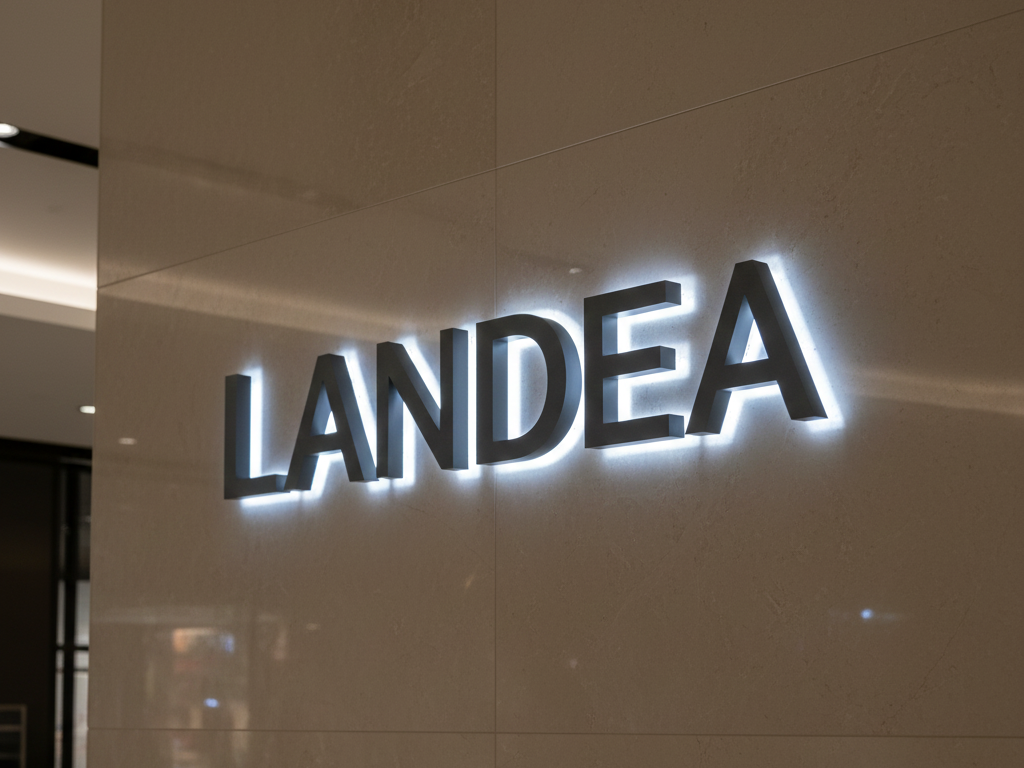
The best material combination depends on the location, budget, target appearance, climate, and maintenance expectations. A sign designed for an interior marble lobby may require very different materials from one installed on a coastal exterior façade.
| Component | Common Material | Main Benefit |
|---|---|---|
| Letter face | Acrylic or polycarbonate | Allows controlled front illumination |
| Letter returns | Aluminum | Lightweight, corrosion-resistant, practical for exterior use |
| Premium letter returns | Stainless steel | High-end visual finish and strong durability |
| Rear panel | Acrylic, polycarbonate, or metal | Supports the halo-lighting configuration |
| Trim cap | Aluminum or plastic trim | Secures the face and creates a clean edge |
| Backer panel | Aluminum composite panel or metal | Helps conceal wiring and improve visual contrast |
| Lighting source | LED modules | Compact, energy-conscious, and suitable for channel letter construction |
LEDs are widely used in modern channel letters because they support thinner letter profiles and flexible lighting layouts. However, selecting LEDs should involve more than choosing a color temperature. The module layout, internal reflection, heat management, wiring access, and serviceability need to be considered before fabrication begins.
The best illuminated lettering projects begin before manufacturing. A clear design and engineering process reduces revisions, avoids costly installation problems, and improves the finished visual result.
Start by identifying who will see the sign and from where.
Consider:
- Typical viewing distance.
- Pedestrian or vehicle traffic.
- Vehicle speed near the property.
- Building height and setback.
- Viewing angle from roads or walkways.
- Daytime sunlight and nighttime ambient light.
- Obstructions such as trees, parked vehicles, awnings, or neighboring signs.
A sign may look large in a drawing but still be difficult to read from the actual approach route. Larger letters, stronger contrast, and simpler logo details become more important as viewing distance and travel speed increase.
The visual character of the letters should reflect the business.
A luxury skincare brand may benefit from brushed stainless-steel returns, soft warm-white halo lighting, and restrained face brightness. A sports retailer may need bolder letter strokes, stronger face illumination, and a high-contrast color palette.
Avoid choosing a sign style based only on a reference photo. The sign must work on the actual building, at the actual scale, in the actual lighting conditions.
The mounting surface affects both installation and appearance.
For halo-lit letters, wall color and texture directly influence the glow. A smooth light-colored wall generally produces a clean, even halo. Brick, rough stone, corrugated metal, and dark cladding may create a more broken or muted effect.
The building structure also determines which mounting method is practical.
- Direct mount: Individual letters attach directly to the wall. This creates a clean appearance but often requires more wall penetrations.
- Raceway mount: Letters are installed on a painted metal enclosure that can house wiring and power supplies. This can reduce penetrations and simplify installation.
- Backer panel mount: Letters are pre-installed on a panel before the complete assembly is mounted to the wall. This can improve contrast and help conceal existing wall imperfections.
Raceways are often used when property owners want to reduce the number of holes drilled into a façade, while direct mounting remains a common choice for a cleaner, more integrated appearance.
If the face and halo use different colors, each lighting chamber must be separated. This prevents unwanted color mixing and ensures that the front face remains crisp.
For example, blue front illumination combined with warm-white rear lighting can create a striking effect. But if the internal partition is poorly positioned, the blue light may contaminate the halo or the warm white may reduce the saturation of the face.
This is why mockups, lighting tests, and production drawings are valuable before full fabrication.
Even premium signs require inspection and occasional service over time. The design should allow practical access to power supplies, wiring, and LED components.
Before production, ask:
- Where will the power supplies be installed?
- Can they be accessed without removing the entire sign?
- Is the mounting structure suitable for local weather conditions?
- Are cable routes protected from water exposure?
- Does the project require a removable panel or service opening?
- Who will handle installation and future maintenance?
A visually impressive sign that is difficult to service can become an unnecessary long-term expense.
Uneven lighting can create hot spots, shadows, or dark areas on the acrylic face. This often happens when LEDs are incorrectly spaced, the return depth is too shallow, or the face material does not diffuse light effectively.
Solution: Match LED module spacing, letter depth, and acrylic diffusion properties during the engineering stage. Test complex letters such as "M," "W," "S," "B," and small enclosed areas before production.
A weak halo may result from insufficient standoff distance, an unsuitable wall color, poor rear-lighting layout, or an overly deep letter construction.
Solution: Use an appropriate gap between the letter and wall, select a suitable rear-lighting layout, and review the actual façade material before finalizing the design.
More brightness is not always better. Overly bright signs can create glare, wash out brand colors, disturb nearby properties, or conflict with site rules.
Solution: Design for legibility and visual balance. Use suitable LED output, dimming options where appropriate, and lighting colors that complement the environment.
A mounting decision made without reviewing the wall structure can lead to visible wiring, difficult installation, water-entry risks, or unnecessary wall damage.
Solution: Confirm the façade material, access conditions, mounting points, and electrical route before the sign is fabricated.
Electrical signage projects should be designed and installed with the requirements of the destination market in mind. In the United States, electric signs are commonly evaluated under UL 48, while installation requirements can involve Article 600 of the National Electrical Code. UL Solutions also identifies UL 879 and UL 879A as relevant standards for electric sign components and LED sign or retrofit kits.
Requirements vary by country, state, city, property owner, and project type. A manufacturer can support the technical side of fabrication, but the buyer, installer, and local project team should verify permits, electrical requirements, zoning restrictions, building approvals, and inspection procedures before installation.
For international buyers, it is wise to confirm these questions early:
1. What certification or documentation is required in the destination market?
2. Does the project require a raceway, backer panel, or direct mount?
3. What voltage and electrical connection method will be used?
4. Are there maximum sign-area, brightness, or placement limits?
5. Is the wall suitable for the planned mounting method?
6. Will the sign need to withstand coastal, humid, cold, or high-wind conditions?
Landea Signs Co., Ltd. focuses on personalized illuminated lettering solutions rather than one-size-fits-all products. Every project should begin with the business goal, the building condition, and the customer's visual expectations.
Our approach to custom front and halo lit channel letters includes:
- Reviewing artwork, dimensions, and installation conditions.
- Recommending suitable material and lighting combinations.
- Supporting custom colors, finishes, fonts, and logo shapes.
- Developing practical mounting and wiring solutions.
- Building signage for retail, hospitality, office, commercial, and architectural applications.
- Providing production details that help customers communicate clearly with installers and project teams.
Whether the goal is a bright retail sign, a refined hotel logo, a premium office entrance, or a dual-color commercial façade feature, the best result comes from aligning design, fabrication, lighting, and installation from the beginning.
Ready to create a front and halo lit channel letter sign that makes your brand visible in the daytime and unforgettable at night? Contact Landea Signs Co., Ltd. with your logo file, required dimensions, installation photos, and destination market details for a tailored quotation and technical recommendation.

Front-lit channel letters shine light through the front acrylic face for direct visibility. Halo-lit letters shine light from behind the letter onto the wall, creating a soft outline effect. Front and halo lit channel letters combine both effects in one sign.
Yes. Dual-lit letters can use one color for the front face and another for the rear halo. A properly designed internal divider helps keep the two light zones separate and prevents color bleeding.
Yes, provided that the materials, LED modules, wiring, power supplies, mounting hardware, and sealing methods are selected for the outdoor environment. The final configuration should reflect the local climate and installation conditions.
Smooth, light-colored, matte surfaces usually produce the cleanest and most visible halo effect. Rough brick, irregular stone, dark cladding, and highly reflective surfaces may change how the light spreads behind the letters.
Direct mounting creates a clean, individual-letter appearance but may require more wall penetrations. A raceway can conceal wiring and power supplies while reducing the number of holes in the façade. The right choice depends on the building structure, landlord requirements, and visual preference.
Use a clear typeface, sufficient letter size, strong face-to-background contrast, evenly distributed LEDs, and a mounting position with a direct line of sight. Do not rely on brightness alone; location, angle, contrast, and scale are equally important.
Yes. They are often used in hotel lobbies, corporate receptions, showrooms, restaurants, retail interiors, and feature walls. Indoor projects can use more decorative finishes because they are not exposed to the same weather conditions as exterior signs.
1. [Benefits of Front and Halo Lit Channel Letter Signs (Dual Lit) — Cosun Sign]
2. [Electric Sign Certification and Sign Component Solutions — UL Solutions]
3. [Guide to Channel Letters — ASI Signage]
4. [Industry Awareness and Five Factors of Sign Visibility — International Sign Association]
5. [Types of Channel Letter Signs: Lighting, Mounting and Material Options — Flexlume]
6. [Front and Back Lit Channel Letters — ChannelLetter.com]
7. [UL 48 Standard for Electric Signs — UL Standards & Engagement]


