From idea to market-ready product, our SIGNS solutions make every stage easier, faster. Discover How We Help

Views: 243 Author: Landea Signs Publish Time: 2026-09-16 Origin: Site


Content Menu
● What Is a Traditional Neon Sign?
● How a Neon Sign Is Made Step by Step
>> 1. Create the Full-Scale Artwork Pattern
>> 2. Select the Right Glass Tubing
>> 3. Heat and Hand-Bend the Glass
>> 4. Attach and Seal the Electrodes
>> 5. Clean the Tube Through Bombardment
>> 6. Fill the Tube With the Required Gas
>> 7. Age, Test, and Inspect the Neon Tubing
● How Neon Lettering Is Mounted
>> Sign Cabinet or Channel Letter Integration
● Design Rules for Better Custom Neon Signs
>> Allow Enough Space Between Strokes
>> Plan the Viewing Environment
>> Match the Mounting Method to the Brand
● Traditional Neon vs. LED Neon: Which Should You Choose?
● Create Your Custom Illuminated Lettering Project
● FAQs
>> How long does it take to make a custom neon sign?
>> Can a neon sign be used outdoors?
>> Can you make a neon sign from our logo?
>> Why are some neon signs divided into several pieces?
>> Does every neon sign use neon gas?
>> What information should I provide for a quotation?
A true neon sign is not simply shaped glass with a power cable. It is a precision-made illuminated lettering system that combines hand-bent glass, controlled heat, vacuum processing, gas chemistry, electrical engineering, and careful installation.
At Landea Signs Co., Ltd., we understand that every custom illuminated sign must balance visual impact, brand accuracy, production reliability, and site-specific requirements. Whether you are planning a glowing storefront logo, bar sign, hospitality feature wall, event backdrop, or architectural lettering display, understanding how a neon sign is made helps you choose the right solution and specify it correctly.
Traditional glass neon remains one of the most distinctive forms of illuminated lettering because each curve, stroke, and character is physically shaped by hand. The final result has a continuous, luminous line that gives signage a high-end artistic character while making a brand visible after dark.

A traditional neon sign uses sealed glass tubes filled with inert gases. When electrical current passes through the tube, the gas emits visible light. Despite the widespread use of the term "neon," not every glowing glass tube contains only neon gas.
Pure neon gas typically produces red-orange light. Other colors can be achieved through argon-based gas fills, mercury vapor in applicable professional systems, and phosphor coatings applied inside the glass tube. The combination of gas, tube coating, tube diameter, transformer output, and letter design determines the final color and brightness.
Traditional glass neon should not be confused with LED neon flex. Both can create a continuous line of illumination, but they use different materials, production methods, electrical systems, and visual effects.
| Feature | Traditional Glass Neon | LED Neon Flex |
|---|---|---|
| Main light source | Gas-discharge glass tube | LEDs inside flexible silicone or PVC housing |
| Manufacturing method | Hand bending, electrode sealing, vacuuming, gas filling | Cutting, shaping, wiring, mounting LED flex |
| Visual character | Bright, vivid, handcrafted, slightly organic | Uniform, flexible, modern, often diffused |
| Typical application | Feature signage, bars, restaurants, art installations, heritage-style storefronts | Indoor branding, events, retail displays, decorative wall signs |
| Fragility | Higher because of glass construction | Lower because of flexible polymer housing |
| Custom lettering detail | Excellent for expressive hand-bent forms | Excellent for repeatable logos and complex layouts |
For a project requiring the authenticity, depth, and luminous intensity of vintage-style glass tubing, traditional neon is often the preferred choice. For projects focused on lightweight construction, easier shipment, lower-voltage operation, or frequent visual updates, LED neon flex may be more practical.
Making a custom neon sign is a specialist craft. The process requires trained tube benders, controlled production equipment, and a clear understanding of the final sign's dimensions, mounting method, letter spacing, power access, and viewing distance.
Below is the professional process behind custom neon lettering.
Every successful neon sign begins with accurate artwork.
The sign manufacturer first converts a customer's logo, lettering, symbol, or graphic into a full-size production pattern. This pattern acts as the physical guide for bending the glass tubes.
At this stage, the production team reviews:
- Letter height and stroke width
- Logo proportions
- Tube path and continuous-line feasibility
- Spacing between letters and graphical elements
- Color specifications
- Mounting structure
- Electrical connection locations
- Indoor or outdoor installation conditions
- Viewing distance and visual hierarchy
A design that looks good on a computer screen may not always translate directly into bent glass. Sharp corners, extremely narrow strokes, isolated dots, and tightly packed letterforms can require adjustments. A knowledgeable illuminated lettering manufacturer will preserve the brand's visual identity while making sure the design can be fabricated safely and consistently.
For example, a script logo may need to be divided into several tube sections rather than being produced as one continuous piece. This is not a design failure. It is an engineering decision that helps maintain even illumination, manageable tube length, reliable electrical performance, and practical installation.
The fabricator then selects glass tubing with the appropriate diameter, color coating, and material characteristics.
Tube diameter has a major effect on the final appearance. Larger tubes can create bold, high-visibility lettering for exterior façades or feature walls. Smaller tubes are better suited to intricate artwork, compact lettering, detailed icons, and decorative indoor displays.
Typical design considerations include:
- 8 mm to 10 mm tubing for smaller lettering and fine decorative detail
- 12 mm tubing for many standard letter signs
- 15 mm or larger tubing for bolder, high-impact applications
- Clear glass for selected gas colors and visual effects
- Phosphor-coated glass for expanded color options
The tube choice should always match the design intent. A luxury hotel lobby may benefit from elegant fine-line tubing, while a high-traffic restaurant façade may require larger, more visible strokes.
This is the most recognizable part of the neon-making process.
The tube bender heats sections of glass over specialized burners until the glass becomes soft and workable. The fabricator then carefully bends the tube to follow the full-scale pattern.
This work requires patience, hand control, and substantial experience. If the glass is heated unevenly, bent too sharply, or allowed to collapse during shaping, the tube may become structurally weak or visually inconsistent.
During bending, the craftsperson must maintain the tube's internal shape. They often use controlled airflow to keep the softened glass from flattening or closing. Straight sections, curves, crossovers, return bends, and lettering terminals all require different handling techniques.
The goal is not simply to make glass follow a line. The goal is to create a tube that:
- Maintains a consistent diameter
- Creates smooth and readable letterforms
- Supports stable gas flow
- Avoids stress points and cracks
- Delivers even light after powering on
- Matches the approved artwork as closely as possible
This is why traditional neon lettering has a distinctive handcrafted quality. Even when following the same artwork, each bent tube carries the precision and judgment of the person who formed it.
After the glass tube has been shaped, electrodes are attached to the appropriate ends of each tube section.
Electrodes create the connection between the tube and the electrical power system. In a multi-letter sign, several separate glass sections may be required. Each section must be designed with suitable electrodes and wiring connections.
The number of tube sections depends on several factors:
- The size of the lettering
- The complexity of the design
- The total tube length
- The selected transformer or power supply
- Required brightness and operating conditions
- Installation and maintenance access
A professional manufacturer plans these components early in the process. Poorly planned electrode placement can create visible wiring, difficult installation, uneven brightness, or avoidable service challenges later.
Once the tube is formed and electrodes are sealed, it moves to a critical stage often called bombardment.
This process removes moisture, gases, oils, dust, and other contaminants from inside the tube. The tube is connected to vacuum equipment and electrical equipment, then heated under controlled conditions.
The purpose is simple: the inside of the finished tube must be exceptionally clean before the final gas is introduced.
Even a small amount of contamination can affect performance. It may lead to unstable color, darkened areas near electrodes, inconsistent illumination, or a shorter operating life. For this reason, experienced fabricators do not treat bombardment as a minor production step. It is one of the quality-control stages that separates a properly made neon sign from an unreliable imitation.
The tube is evacuated to remove air, then heated to drive out impurities from the glass, electrode components, and interior surface. The exact cycle varies according to tube diameter, tube coating, electrode type, and gas-fill requirements.
After cleaning and evacuation, the tube is filled with the selected inert gas at controlled pressure and permanently sealed.
The gas selection determines much of the sign's visual output.
| Gas or Tube System | Typical Light Effect |
|---|---|
| Pure neon gas | Red to orange-red |
| Argon-based fill | Blue-violet tones in appropriate tube systems |
| Argon with phosphor-coated tubing | Expanded color range, including white, green, yellow, pink, and other tones |
| Colored glass with selected gas fill | Stronger color control and decorative visual effects |
Color production is more complex than selecting a paint shade. The final result depends on the relationship between the gas, glass color, internal phosphor coating, electrical loading, and ambient viewing conditions.
For a custom branded sign, it is wise to request a visual sample, approved color reference, or production photo before full-scale manufacturing. This is especially important when a company has strict brand colors or when multiple signs must maintain a consistent appearance across different locations.
After filling, the tube is powered for testing. This process helps stabilize performance and allows the fabricator to inspect illumination quality.
A quality inspection should check for:
- Even brightness from end to end
- Correct color output
- No flickering or intermittent operation
- No dark spots or unwanted shadows
- Secure electrode connections
- Correct tube alignment on the pattern
- No visible glass defects
- Safe wiring and mounting preparation
The tubing may also be aged under controlled operation before it is delivered or installed. This allows the manufacturer to identify potential issues before the sign reaches the customer's location.
For commercial signage, testing before shipment is particularly valuable. It reduces the risk of expensive site repairs, delayed openings, or inconsistent brand presentation.
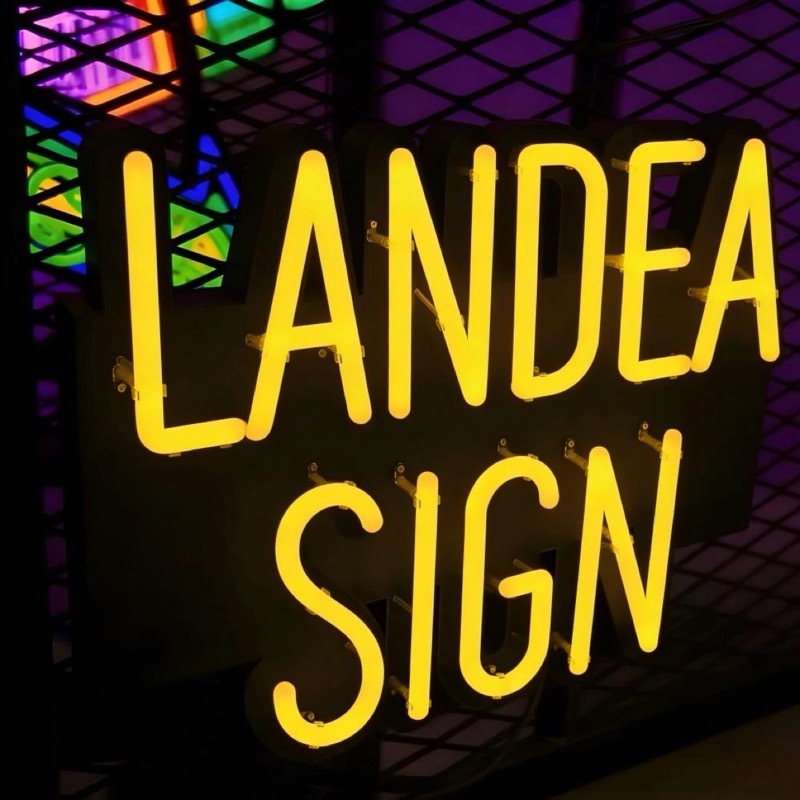
Completed tubes are not normally installed directly onto a wall without support. They are mounted to a backing, frame, raceway, transparent panel, metal structure, or custom sign cabinet depending on the application.
Common mounting choices include:
Clear acrylic provides a floating visual effect. It is popular for indoor wall signs, wedding displays, retail interiors, cafés, beauty studios, and photo backdrops.
The tubing remains highly visible, giving the sign a lightweight and artistic appearance.
Metal backing creates a more durable and structured presentation. It can be powder coated in a selected color and is well suited to commercial interiors, restaurant walls, exterior feature signs, and branded display areas.
Exposed tube mounting emphasizes the craftsmanship of the neon itself. This approach works particularly well for industrial-style interiors, bars, galleries, music venues, and hospitality spaces.
The supporting structure, wiring route, and transformer location must be planned carefully to keep the design visually clean.
Neon tubing can also be installed within fabricated letters, open-face channel letters, architectural frames, or sign cabinets. This configuration can provide greater protection while preserving the distinctive glow of traditional neon.
For exterior work, the sign structure must account for weather exposure, wind load, drainage, cable management, mounting surface strength, and local electrical requirements.
A beautiful neon sign begins with good artwork, but it also needs fabrication-aware design decisions.
Thin serif fonts, compressed scripts, and overly complex logos can be difficult to reproduce in glass. Choose lettering that remains readable from the intended distance.
For storefront signage, the most important question is not "Does it look elegant close up?" It is "Can a customer understand it quickly from the street?"
Neon tubing has physical thickness. If two lines are placed too closely together, they may visually merge when illuminated.
Adequate spacing improves readability, reduces unwanted glare, and makes cleaning and servicing easier.
Consider where customers will see the sign.
- A dark bar may need a softer, atmospheric glow.
- A retail window may need a brighter visual statement.
- A hotel reception wall may prioritize refined color and premium finish.
- An exterior sign may need larger lettering and higher contrast.
The same logo can require different illuminated lettering solutions depending on the environment.
Acrylic backing can feel contemporary and light. Painted metal may feel durable and architectural. Exposed mounting can feel artistic and industrial. Open-face channel lettering can create a bold commercial statement.
The mounting design is part of the brand experience, not merely a technical support system.
The best option depends on the project, budget, location, desired visual effect, logistics, and maintenance expectations.
Choose traditional glass neon when you want:
- A genuine handcrafted appearance
- Strong brightness and classic visual depth
- Premium bar, restaurant, hotel, gallery, or heritage-style signage
- A distinctive continuous-line glow
- High-impact illuminated lettering with artistic character
Choose LED neon flex when you want:
- Lower-voltage construction
- Easier shipping and handling
- Greater resistance to impact
- Faster production for selected designs
- Lightweight indoor displays and event signage
- A flexible alternative for complex shapes or temporary installations
At Landea Signs Co., Ltd., we recommend evaluating the sign as a complete project rather than selecting a light source alone. Your logo, wall condition, installation location, customer viewing distance, target budget, and brand position should all shape the final recommendation.
A custom neon sign should do more than glow. It should make your name easier to recognize, strengthen the atmosphere of your space, and communicate the character of your brand before a customer walks through the door.
Landea Signs Co., Ltd. provides personalized illuminated lettering solutions for commercial brands, retailers, hospitality projects, interior designers, sign contractors, and international buyers. From artwork review and material selection to custom fabrication, quality inspection, protective packaging, and project-focused support, we help turn your logo or message into a distinctive illuminated sign.
Send us your artwork, target size, installation location, and preferred lighting effect to start a custom sign evaluation and quotation.
Production time depends on the complexity, size, color requirements, number of tube sections, mounting structure, and order quantity. A simple indoor sign may require less production time than a large architectural sign with custom metalwork, multiple letters, and export packaging. The best approach is to provide approved artwork, dimensions, quantity, installation photos, and destination information at the quotation stage.
Yes, but outdoor neon signage requires a suitable structure, weather-conscious component selection, protected electrical connections, secure mounting, and compliance with the applicable local installation rules. Exterior projects should be assessed individually rather than treated as standard indoor signs.
Yes. A professional sign manufacturer can convert a logo into a production-ready illuminated lettering design. Some logos may require minor adjustments to stroke width, spacing, tube routing, or color treatment so they can be safely fabricated while maintaining the intended brand appearance.
Glass tubing has practical limits related to length, letter geometry, electrical loading, transport, and serviceability. Dividing a design into carefully planned sections helps ensure even illumination, safe electrical connections, easier installation, and better long-term performance.
No. "Neon sign" is often used as a general term for gas-discharge illuminated tubing. Pure neon produces red-orange light, while other colors can involve argon-based fills, phosphor-coated tubes, colored glass, and other technical choices.
To receive an accurate quotation, prepare the following:
- Logo file in AI, PDF, SVG, EPS, or high-resolution vector format
- Required sign dimensions
- Quantity
- Preferred lighting color
- Installation location and photos
- Indoor or outdoor use
- Backing or mounting preference
- Required delivery country and deadline
- Any certification, voltage, packaging, or project documentation requirements
1. [Dave's Signs — How to Make a Neon Sign]
3. [Rose Kennedy Greenway Conservancy — Neon Signs: A Science and a Craft]
4. [Encyclopedia.com — Neon Sign Manufacturing Process]
6. [UpCodes — Neon Signs Requirements]
7. [Neon Creations — Neon Safety: A Typical Neon Sign Setup]


