From idea to market-ready product, our SIGNS solutions make every stage easier, faster. Discover How We Help

Views: 288 Author: Landea Signs Publish Time: 2026-11-02 Origin: Site


Content Menu
● What Is Illuminated Lettering?
● Main Types of Illuminated Lettering and Business Signs
>> Halo-Lit or Reverse Channel Letters
>> Exposed Neon and LED Neon-Style Signs
>> Digital Displays and Freestanding Signs
● How to Choose the Right Illuminated Lettering
>> Test the Artwork at Realistic Scale
● What Determines Lighting Quality?
>> Uniformity Matters More Than Maximum Brightness
>> Heat Management Affects Performance
>> Light Output Can Decline Before Failure
● Budgeting: Look Beyond the Initial Sign Price
>> Estimate Energy Use with Project-Specific Inputs
● A Practical Procurement and Approval Checklist
>> 1. Prepare a Complete Project Brief
>> 2. Review Drawings and Samples
>> 3. Confirm Electrical and Installation Requirements
>> 4. Define Acceptance Before Production
● Maintenance Planning Starts During Design
● Plan Your Custom Sign with Landea Signs Co., Ltd.
>> What is the difference between front-lit and halo-lit lettering?
>> Can illuminated lettering be used outdoors?
>> How long do LED illuminated signs last?
>> Is brighter illuminated lettering always easier to read?
>> Can my existing logo become illuminated lettering?
>> What information should I provide for an accurate quotation?
Illuminated lettering helps customers identify your business after dark while giving your storefront a distinctive visual identity. But choosing a sign involves more than selecting a bright logo. Letter construction, lighting direction, wall finish, installation access, and local requirements all influence the result.
At Landea Signs Co., Ltd., our focus is personalized illuminated lettering solutions. Our approach starts with a practical question: Where will customers see your sign, and what must they understand immediately?
This guide explains the main types of illuminated business signs, compares their applications, and outlines the details worth confirming before production.
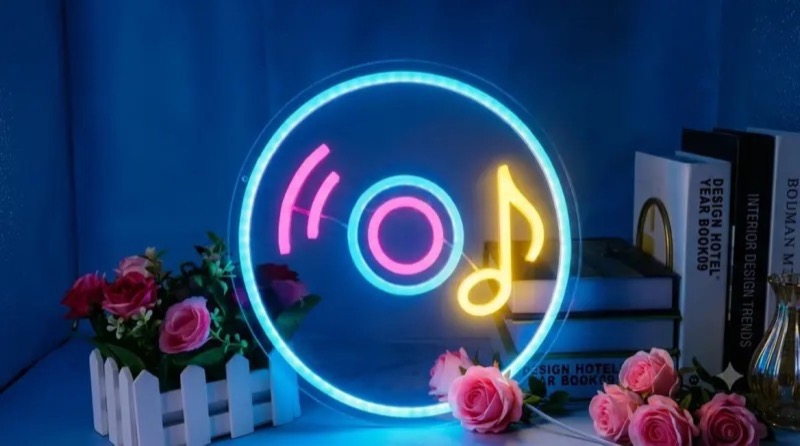
Illuminated lettering consists of individual letters or logo elements that incorporate lighting. Unlike a printed panel, dimensional lettering creates depth through its shape, materials, and relationship with the mounting surface.
Most contemporary designs use LED modules inside fabricated letters. Depending on construction, light passes through the face, projects behind the letter, or travels in both directions.
It helps to separate three decisions:
- Lighting effect: front-lit, halo-lit, or combined illumination.
- Sign construction: individual letters, a lightbox, or another enclosure.
- Installation format: wall-mounted, freestanding, pole-mounted, or integrated into a monument.
These categories overlap. A monument sign, for example, can incorporate halo-lit lettering rather than a conventional illuminated cabinet.
Front-lit channel letters have translucent faces that allow internal light to shine toward the viewer. Their fabricated sides, often called returns, give each character depth.
This format suits storefronts where the business name needs to remain prominent against the building.
Design considerations include:
- Letter height and stroke width.
- Face color and light transmission.
- Internal depth and module placement.
- Contrast with the surrounding façade.
Dark-colored faces may require different lighting arrangements from white faces. A daytime color sample alone cannot confirm the nighttime appearance.
Halo-lit letters direct light toward the mounting surface, creating a glow around opaque letter faces.
They are worth considering when you want dimensional lettering with a restrained illuminated outline rather than a luminous face.
The wall is part of the design. Its color, texture, reflectivity, and distance from the letters affect the appearance.
Request a representative illuminated sample where the finish is particularly glossy, uneven, or dark. A rendering cannot fully reproduce how light interacts with the actual surface.
Combined illumination produces a glowing face and a halo behind the same letter.
This offers another way to distinguish a brand, but it requires careful coordination. Face brightness, halo intensity, spacing, and color should work together.
Avoid selecting two colors simply because both appear in the brand palette. Review whether the combination remains readable from the intended viewing position.
Traditional neon uses shaped glass tubing. LED neon-style products use a different lighting construction to create a continuous illuminated line.
Both can support expressive lettering, decorative graphics, and hospitality interiors, but they are not interchangeable products.
Compare the actual visual effect, construction, intended environment, repair arrangements, and electrical requirements. If the tubing itself is central to the design, approve a physical sample before committing.
A lightbox illuminates a translucent panel from within an enclosure. It can accommodate lettering, logos, and supporting graphics on a single face.
This makes it a useful alternative when individual letters do not suit the artwork or available mounting area.
The main design challenge is hierarchy. A panel containing a name, slogan, telephone number, and several services can become difficult to absorb quickly.
Digital displays suit changing content, while pole and monument signs describe how a sign is supported or positioned.
These formats may complement illuminated lettering rather than replace it. For example, permanent channel letters can identify a business while a separate display communicates changing information.
Confirm local restrictions before developing a digital or freestanding concept, particularly where movement, brightness, height, or operating hours may be regulated.
Start with the viewing conditions, then select the lighting effect.
| Project priority | Option to evaluate | Main detail to verify |
|---|---|---|
| Prominent illuminated business name | Front-lit letters | Face contrast and even illumination |
| Dimensional appearance with indirect light | Halo-lit letters | Wall finish and mounting distance |
| Combined face and background glow | Front-and-back-lit letters | Balance between both lighting effects |
| Decorative continuous-line artwork | Neon or LED neon-style | Sample appearance and service method |
| Multiple graphics on one illuminated face | Lightbox | Message hierarchy and panel construction |
| Frequently changing information | Digital display | Content needs and local permissions |
These are starting points, not universal rankings. A well-proportioned sign matched to its setting can be more effective than a more elaborate design installed in unsuitable conditions.
Document where customers approach from: a pavement, parking entrance, roadway, or interior corridor.
Then identify:
1. The first unobstructed viewing position.
2. The likely viewing angle.
3. Nearby visual distractions.
4. The information customers need first.
5. Whether landscaping or parked vehicles could block the sign.
Avoid choosing letter height from a generic distance rule alone. Typeface, contrast, viewing angle, and surrounding conditions also matter.
A logo that looks clear on a laptop may lose definition when fabricated or viewed at night.
Check narrow strokes, small counters, tight spacing, and fine decorative details. Request scaled drawings and, where needed, a full-size section.
For an unfamiliar location, include photographs taken from the customer's actual approach rather than relying only on a straight-on building image.
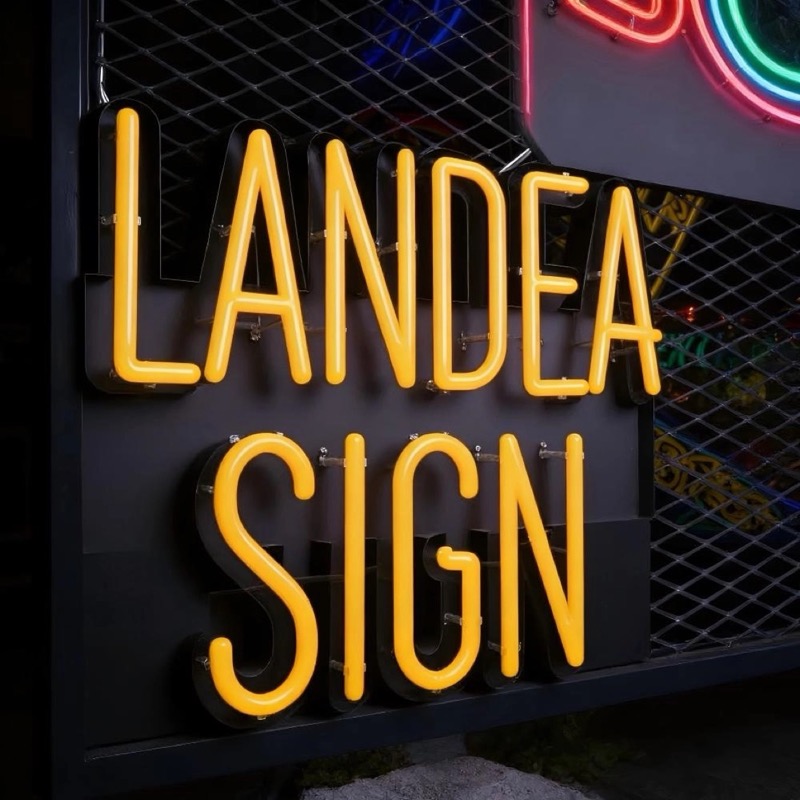
A strong illuminated sign should have an intentional appearance, not simply the highest possible output.
Visible bright spots, dark corners, and inconsistent letters can distract from the brand. Letter depth, internal geometry, face material, and module placement all influence uniformity.
Ask to review illumination across the complete letter set. A simple rectangular sample may not reveal problems inside curved or narrow characters.
LEDs are efficient light sources, but they still require appropriate thermal design.
An enclosed letter exposed to sunlight presents different operating conditions from a climate-controlled lobby sign. Module selection, power-supply loading, ventilation strategy, and installation environment should be evaluated together.
Treat claims such as "maintenance-free" or "lasts forever" cautiously. A complete sign includes electrical connections, drivers, finishes, and other components beyond the LEDs.
An LED system may continue operating while gradually losing brightness or changing color.
The term L70 describes the point at which light output reaches 70% of its initial level under the relevant measurement or projection conditions. It is not a guarantee that the complete sign will operate trouble-free until that point.
Ask what a stated lifetime covers and which environmental assumptions support it.
A useful quotation separates the product from the costs required to install, operate, and maintain it.
Compare:
- Fabrication and finishes.
- Power supplies and controls.
- Packaging and transport.
- Mounting hardware.
- Installation and electrical connection.
- Permits or engineering where required.
- Access equipment.
- Future servicing and replacement parts.
The lowest fabrication price may not represent the lowest ownership cost, especially where repairs require a lift or difficult access.
Use the complete system's input power rather than assuming that a particular sign style has a fixed running cost.
Annual consumption in kilowatt-hours equals system power in kilowatts multiplied by operating hours per day and operating days per year.
Apply the relevant electricity tariff to estimate energy expenditure. Confirm whether quoted wattage represents maximum rated capacity or the expected operating load.
Timers and compatible dimming controls are worth discussing when a sign does not need full output throughout the night.
Send your manufacturer:
- Vector artwork and brand colors.
- Desired overall dimensions.
- Installation photographs.
- Wall construction details, if available.
- Indoor or outdoor exposure.
- Installation location and destination market.
- Target schedule and budget range.
Identify any landlord restrictions before design development progresses.
Approval drawings should clarify dimensions, letter depth, mounting positions, cable exits, and power-supply arrangements.
For appearance-critical projects, request samples that show both the finish and illumination. Review them in conditions reasonably close to the intended installation.
Requirements vary by jurisdiction and project.
For United States installations, relevant standards can include UL 48 for electric signs, UL 879 for sign components, and UL 879A for LED sign and retrofit kits.
Do not assume that certified components automatically establish certification of the completed sign. Ask for documentation applicable to the supplied assembly and confirm acceptance with the responsible local professionals.
Agree on what will be checked before shipment:
- Dimensions and artwork accuracy.
- Surface finish and visible defects.
- Lighting consistency.
- Electrical identification and documentation.
- Mounting components.
- Packaging and handling instructions.
For custom orders, clear acceptance criteria help both parties distinguish an approved design characteristic from a manufacturing defect.
A sign should be serviceable as well as attractive.
Ask how technicians will reach power supplies, replace modules, and access wiring after installation. Confirm whether future replacements require removing individual letters or larger assemblies.
Keep copies of drawings, component specifications, wiring information, and warranty terms.
Establish an inspection routine appropriate to the environment. Look for loose fixings, damaged finishes, moisture-related issues, flickering, and uneven illumination. Electrical troubleshooting should be handled by qualified personnel.
Cleaning methods should follow the manufacturer's instructions, particularly for coated metal, acrylic faces, and illuminated surfaces.
The right illuminated lettering connects brand identity with the realities of a specific building.
For a productive quotation discussion, send Landea Signs Co., Ltd. your logo, installation photographs, approximate dimensions, destination, and preferred lighting effect. Include your expected installation date and any landlord requirements.
Ask for a proposal that explains construction, illumination, mounting assumptions, electrical arrangements, and the items included in the price. This creates a clearer basis for comparing options and approving a personalized solution.
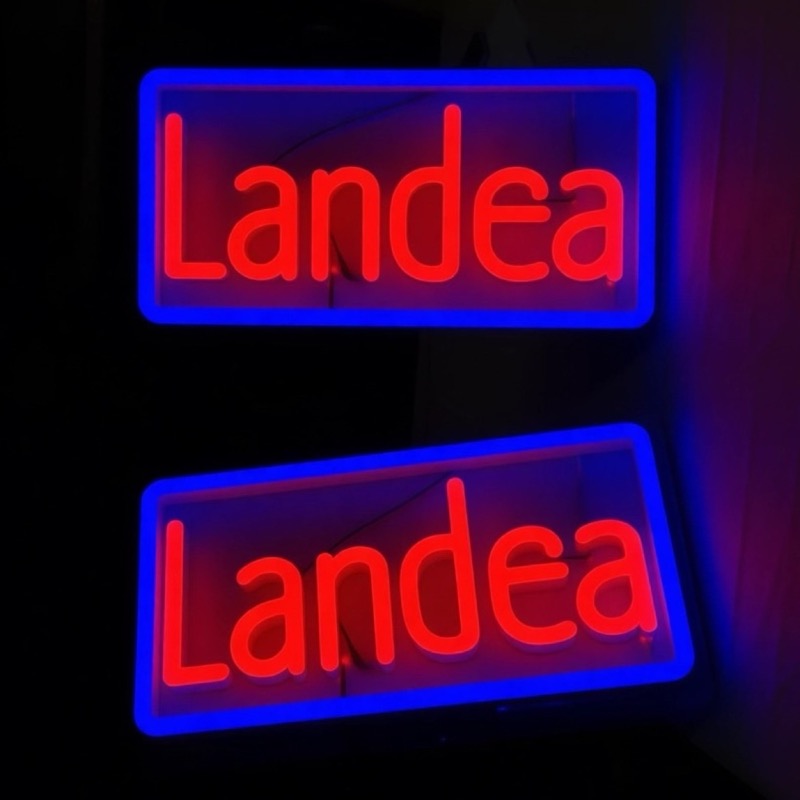
Front-lit lettering shines through a translucent face. Halo-lit lettering directs light behind an opaque letter to create a glow on the mounting surface. The choice depends on the desired appearance and installation conditions.
Yes, when the complete system is designed for the intended exposure. Confirm the suitability of the letters, wiring, power supplies, fixings, and installation arrangement rather than judging outdoor suitability from the face material alone.
There is no reliable universal lifespan for every sign. Temperature, component quality, operating hours, moisture, and electrical conditions affect performance. Request documented assumptions, warranty coverage, and a practical replacement plan.
No. Excessive brightness can reduce the definition of fine details or create an uncomfortable appearance. Appropriate contrast, letter proportions, uniform illumination, and output suited to the surroundings are more useful design goals.
Often, but some artwork needs adaptation. Thin strokes, closely spaced elements, and very small details can create fabrication or lighting limitations. Review proposed changes before approving production.
Provide vector artwork, dimensions, installation photographs, location, exposure conditions, preferred illumination, and schedule. State whether installation, electrical work, permits, and transport should be included.
1. Dave's Signs. "Most Popular Types of Illuminated Business Signs." Original article supplied for restructuring; used to review sign categories and identify gaps in purchasing guidance.
[https://www.davessigns.com/most-popular-types-of-illuminated-business-signs/] [davessigns]
2. International Sign Association. "Glossary of Sign Terms & Definitions." Supports definitions of channel letters, front-lighted letters, backlighted letters, and legibility.
[https://signs.org/resources-training/signs101/glossary-of-sign-terms-and-definitions/] [signs]
3. UL Solutions. "Electric Sign Certification and Sign Component Solutions." Supports the distinction between electric signs, sign components, retrofit kits, and installation-location classifications.
[https://www.ul.com/services/solutions-electric-sign-and-sign-component-manufacturers] [ul]
4. U.S. Department of Energy. "Lifetime and Reliability." Explains lifetime estimates, lumen maintenance, L70, and the limitations of treating LED performance as complete-system reliability.
[https://www1.eere.energy.gov/buildings/publications/pdfs/ssl/life-reliability_fact-sheet.pdf] [www1.eere.energy]
5. U.S. Department of Energy. "LED Outdoor Area Lighting." Supports discussion of thermal management, operating conditions, lumen depreciation, and maintenance considerations. Its lighting principles are used here, not as product-specific performance guarantees.
[https://www.energy.gov/sites/prod/files/2014/05/f16/outdoor_area_lighting.pdf] [energy]
6. U.S. Department of Energy. "LED Luminaire Reliability: Impact of Color Shift." Supports discussion of color change and the additional environmental and electrical factors affecting installed LED systems.
[https://www.energy.gov/sites/prod/files/2017/04/f34/lsrc_colorshift_apr2017.pdf] [energy]


