From idea to market-ready product, our SIGNS solutions make every stage easier, faster. Discover How We Help

Views: 222 Author: Landea Signs Publish Time: 2026-04-08 Origin: Site


Content Menu
● What This Article Covers (and Why It Matters)
● Understanding Metal Injection Molded Braille Signage
>> What Is Metal Injection Molded Braille?
>> Where Injection Molded Braille Works Best
● Understanding Etched Stainless Steel Signage
>> What Is Etched Stainless Steel?
>> Where Etched Stainless Steel Shines
● ADA and Accessibility Compliance: Dots, Heights, and Legibility
>> Braille and Tactile Requirements You Cannot Ignore
>> Which Method Offers More Reliable Compliance?
● Performance Comparison: Metal Injection Molded Braille vs. Etched Stainless Steel
>> Key Decision Factors at a Glance
● Expert Perspective: How Landea Signs Approaches Braille Material Choices
● Practical Selection Guide: Which Option Fits Your Project?
>> Step 1 – Assess Traffic and Risk
>> Step 2 – Consider Environment and Cleaning Regime
>> Step 3 – Align With Brand and Interior Design
● Hybrid Systems and Lifecycle Cost Strategy
>> Why a Mixed-Material System Often Wins
● Project Workflow – From Concept to Installed Braille Signage
>> How a Professional Signage Partner Should Work With You
● Future Trends in Accessible Metal Signage
>> Where the Market Is Heading
● Call to Action: Talk to Landea Signs About Your Next Braille Signage Program
● FAQs: Metal Injection Molded Braille vs. Etched Stainless Steel
For facilities planning an accessibility upgrade, the choice between metal injection molded Braille and etched stainless steel signage is not just a design decision; it is a long-term performance, compliance, and brand decision. Drawing on my experience in architectural signage and insights from accessibility-focused manufacturers, this guide breaks down how each option performs in real-world conditions—and where a hybrid approach makes the most sense. [steelartco]

In accessibility projects, stakeholders often focus on fonts, colors, and layouts, while the manufacturing method of Braille dots and tactile graphics is treated as a technical detail. In reality, that "detail" can influence durability, vandal resistance, maintenance cycles, and even how inclusive your space feels to blind and low-vision users. [gsparcel]
This article will help you:
- Understand how metal injection molded Braille works versus etched stainless steel.
- Compare cost, durability, compliance, and aesthetics with real project logic, not theory.
- See where each technology excels based on traffic, environment, and brand positioning. [fsx-metal]
Metal injection molded (MIM) Braille uses a mold to form Braille dots in a single, repeatable process, bonding them to or forming them as part of a plate or sign body. This method is widely used for ADA and other accessibility signage where tactile precision is critical. [adasigndepot]
From a manufacturing perspective, MIM allows:
- Highly consistent dot shape and height across large runs.
- Strong mechanical bonding, improving impact and tamper resistance. [seesinc]
- Repeatable compliance with Braille dimension standards when the mold is correctly engineered. [adacentral]
As someone who has worked with high-traffic facilities, I have seen injection molded Braille perform particularly well in:
- Schools and universities, where signage faces constant contact and occasional vandalism. [allstarsignsinc]
- Stadiums, hospitals, and public restrooms, where signs must survive impact, cleaning chemicals, and weather at a relatively low unit cost. [adasigndepot]
- Outdoor or semi-outdoor circulation areas, where plastic or metal-based molded Braille can be combined with UV-stable pigments and non-glare finishes. [identitygroup]
In these environments, facility managers consistently value tamper resistance and low replacement frequency more than ultra-premium finishes. [allstarsignsinc]
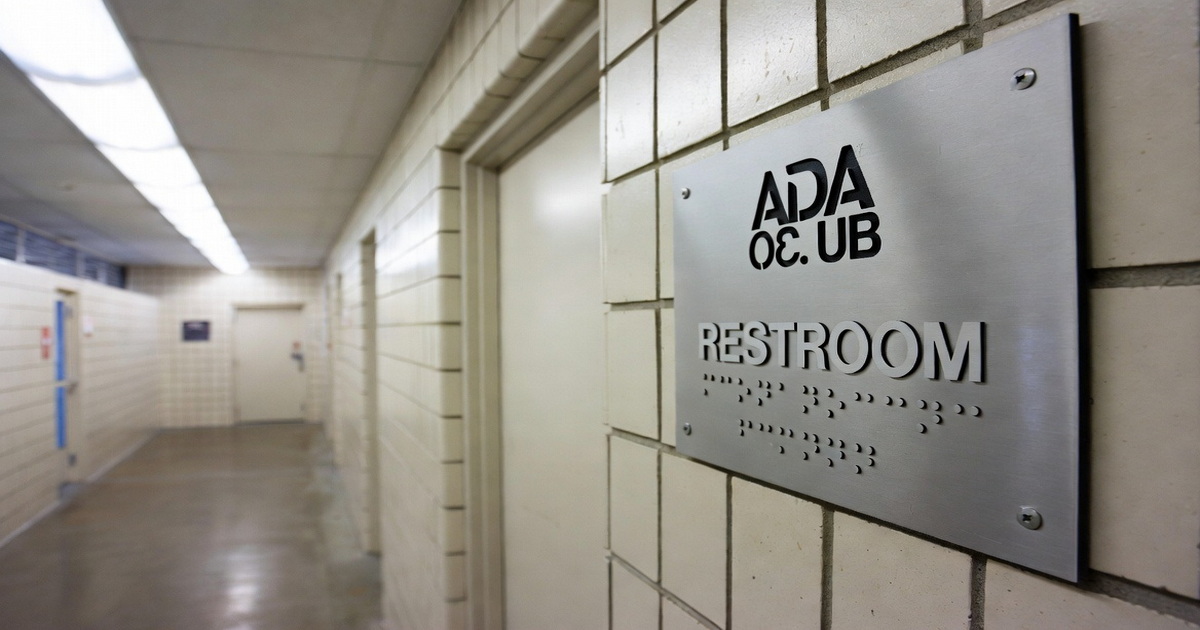
Etched stainless steel signage uses chemical or laser processes to remove controlled amounts of metal, creating precise recesses for graphics, text, and sometimes tactile elements. The etched cavities can be left as-is for subtle relief, filled with color, or combined with applied Braille dots. [fsx-metal]
Key technical advantages include:
- High detail resolution down to very fine lines and small typography, ideal for logos and wayfinding maps. [fsx-metal]
- Exceptional corrosion resistance and weatherability, especially in coastal or industrial environments. [identitygroup]
- A premium metallic appearance that supports brand positioning for corporate, hospitality, and luxury retail projects. [landeasigns]
From an architectural branding standpoint, etched stainless steel is often the material of choice for:
- Exterior building identity signs and plaques that must look sharp for 20+ years. [identitygroup]
- Corporate lobbies, hotels, and high-end offices where signage is part of a carefully curated material palette (glass, stone, wood, brushed metals). [landeasigns]
- Industrial environments where chemicals, humidity, and temperature swings quickly degrade painted or plastic-based signs. [fsx-metal]
In these contexts, designers prioritize visual longevity and brand perception as much as accessibility, making stainless steel a natural fit. [identitygroup]
Regardless of material or process, compliant signage must follow standards such as the ADA Standards for Accessible Design in the U.S. or similar regulations globally. Key requirements include: [gsparcel]
- Domed, rounded Braille dots manufactured to defined diameters, spacing, and height. [adacentral]
- Braille placed directly below tactile text, with adequate separation from borders or decorative elements. [gsparcel]
- Non-glare finishes and high contrast between background and raised characters for tactile letters and numbers. [adacentral]
A common misconception is that etched stainless steel alone automatically creates ADA-compliant Braille; in practice, etched recesses are often combined with applied or molded Braille dots to meet tactile specifications. [steelartco]
From a compliance-engineering point of view:
- Metal injection molded Braille: When the mold is engineered to standard, every dot produced from that mold will replicate compliant dimensions and shape, making large programs easier to maintain consistency in. [seesinc]
- Etched stainless steel with applied Braille: Offers top-tier durability and appearance, but requires meticulous process control to ensure the applied dots meet both material adhesion and dimensional standards. [steelartco]
For facility owners without in-house accessibility expertise, working with a manufacturer that provides tested, standards-aligned Braille tooling and QC protocols is often more important than the base material itself. [gsparcel]
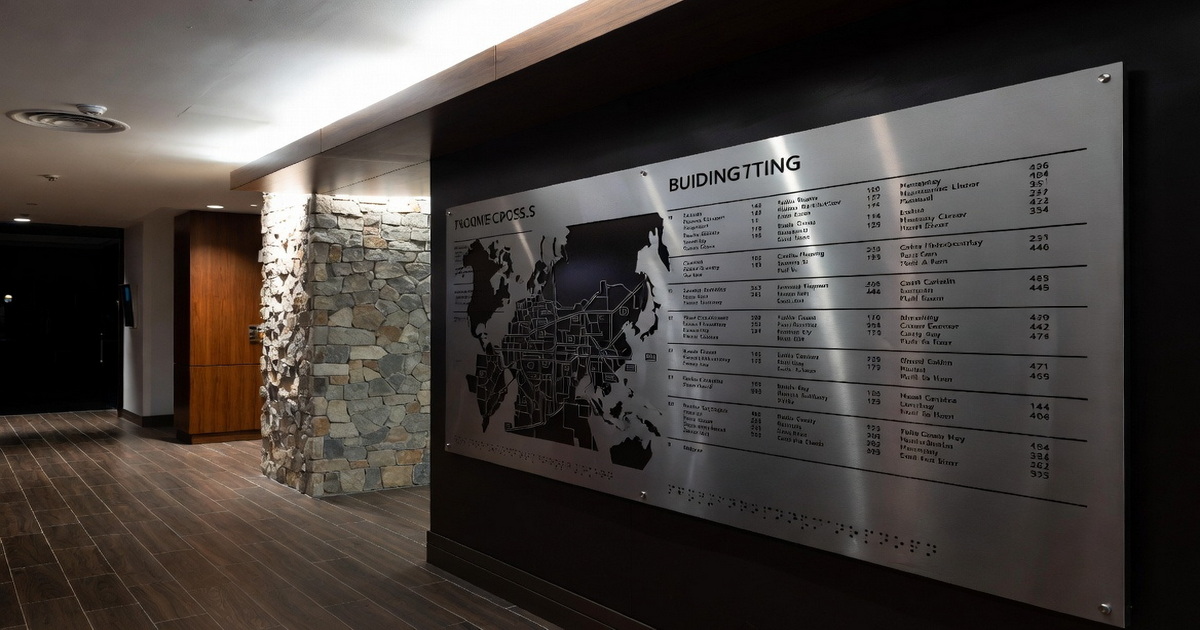
Below is a practical comparison of how the two approaches perform when translated into real facility priorities, based on current industry guidance and manufacturer specifications. [adasigndepot]
From a facility-management perspective, the lifetime cost per year of service is often more relevant than the initial purchase price, and stainless steel frequently wins on that metric in harsh or high-visibility locations. [fsx-metal]
As architectural signage specialists at Landea Signs Co., Ltd., our experience with acrylic, aluminum, and stainless materials has shown that material choice is as much about context and brand as it is about raw performance. In modern offices and corporate campuses, we have seen a clear shift toward integrated accessibility solutions that visually match the environment instead of looking like compliance add-ons. [bellcoinc]
In recent projects, we have:
- Combined metal injection molded Braille with aluminum or acrylic backplates for cost-effective interior wayfinding, where consistency across hundreds of doors matters. [landeasigns]
- Used etched stainless steel for main lobby directories, exterior identity plaques, and executive-level spaces, where the visual impact carries the brand. [landeasigns]
- Implemented hybrid systems where core ADA function is provided by molded Braille panels, while stainless steel overlays communicate brand elements in the same installation grid. [steelartco]
This layered approach often gives project teams the flexibility to keep accessibility fully compliant while still delivering a unified visual language across the site. [landeasigns]
Start by mapping where your signs will live:
1. High-risk areas (public restrooms, stadium concourses, school corridors):
- Prioritize vandal resistance, impact strength, and replacement cost.
- Metal injection molded Braille—often on robust substrates—is typically the more practical choice here. [allstarsignsinc]
2. High-visibility brand areas (receptions, façades, boardroom corridors):
- Prioritize visual quality, premium finish, and long-term brand perception.
- Etched stainless steel with integrated tactile and Braille elements is usually the stronger candidate. [fsx-metal]
- Outdoor, coastal, or industrial zones: Stainless steel's resistance to corrosion, UV, and chemicals makes it a reliable long-term solution. [identitygroup]
- Indoor, climate-controlled offices: Both technologies perform well; the decision leans more on budget and aesthetic alignment. [allstarsignsinc]
If your cleaning team regularly uses strong detergents or solvents, stainless steel's wipe-clean, non-porous surface can significantly reduce maintenance issues over time. [identitygroup]
For modern offices and hospitality spaces, designers increasingly expect accessibility signage to blend into the architectural concept. That may mean: [bellcoinc]
- Matching metal finishes across door hardware, lighting, and signage trims.
- Using consistent typographic and pictogram systems across both ADA and non-ADA signs. [geminimade]
This is where a partner like Landea Signs can customize color, finish, mounting details, and typography across both metal injection molded and etched stainless product lines, so nothing looks "bolted on." [landeasigns]
Many large campuses make a mistake by trying to standardize on one material everywhere, even though performance needs differ by zone. A hybrid approach can be more strategic: [bellcoinc]
- Use injection molded Braille for the majority of room IDs and back-of-house circulation signs, where quantity is high and impact is frequent. [adasigndepot]
- Reserve etched stainless steel for primary brand touchpoints, such as main entrances, reception walls, and major directional hubs. [fsx-metal]
This strategy optimizes:
- Capex by using more economical manufacturing methods where appropriate.
- Opex by extending replacement cycles for the most expensive, brand-critical elements. [identitygroup]
A practical example from recent industry data: etched stainless steel exterior signs can retain legibility and finish for 20+ years outdoors, whereas painted or printed panels may need replacement in 5–8 years due to fading, chipping, or mechanical damage. When you annualize cost, the "expensive" stainless option often becomes cheaper per year of service for exposed locations. [fsx-metal]
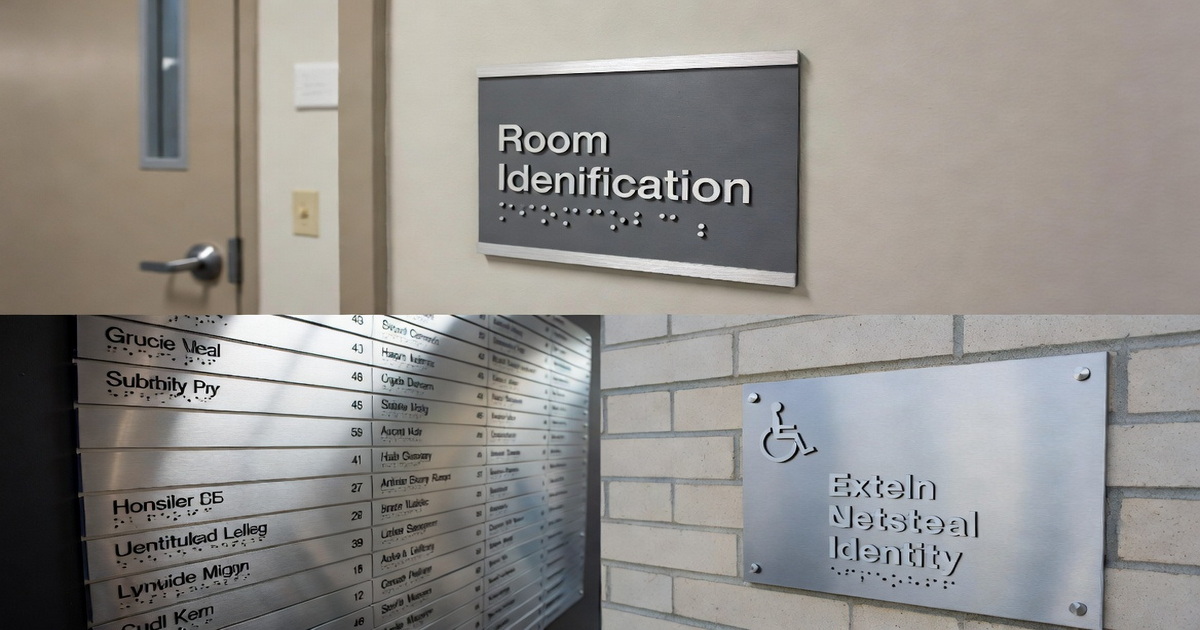
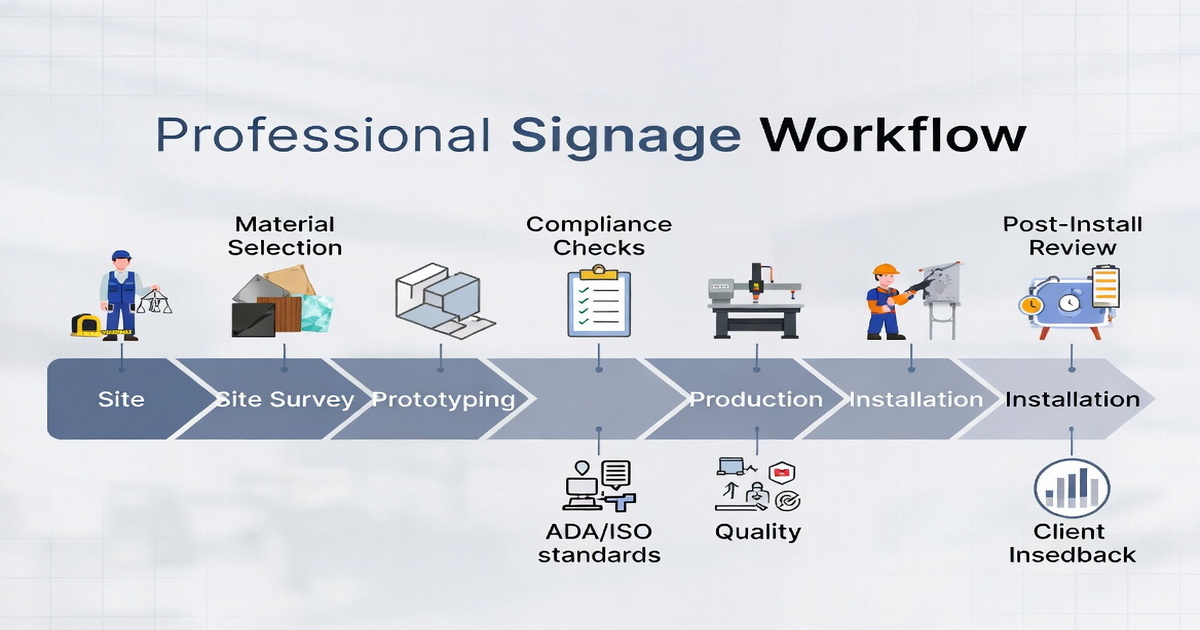
A robust project workflow with a specialist manufacturer typically follows these stages: [steelartco]
1. Discovery and survey
- Audit existing signage, traffic patterns, and regulatory obligations.
- Identify zones where premium materials like stainless steel make the most impact.
2. Material and technology mapping
- Match injection molded Braille and etched stainless steel to specific sign types, locations, and user journeys. [identitygroup]
- Define finish, colors, and typographic standards for consistency.
3. Prototyping and compliance checks
- Produce samples to test tactile feel, contrast, and mounting methods.
- Validate Braille and tactile details against standards before scaling. [adacentral]
4. Production and quality control
- Use standardized molds or CNC/laser programs to guarantee repeatability across large batches. [seesinc]
- Perform random checks on Braille height, dot shape, and finish quality.
5. Installation and post-install review
- Verify mounting heights, clearances, and placement details per code. [gsparcel]
- Document materials and finishes for future maintenance and expansion.
A vendor experienced in both Braille engineering and architectural metals will reduce project risk and help you avoid costly reworks or non-compliance corrections. [steelartco]
Recent industry commentary suggests three clear trends in tactile signage materials: [geminimade]
- More metal, less plastic in premium and sustainability-focused projects, with stainless steel and aluminum gaining share because of durability and recyclability. [fsx-metal]
- Integrated wayfinding systems, where digital wayfinding, analog signs, and tactile elements are designed as a single ecosystem, not separate layers. [geminimade]
- Greater attention to user experience for blind and low-vision visitors, including better tactile contrast, intuitive placement, and consistent tactile language across sites. [adacentral]
Landea Signs has already seen architects ask for cohesive material stories—for example, pairing etched stainless exterior elements with finely finished aluminum or acrylic interior Braille signs in matching tones and typographic systems. [landeasigns]
Choosing between metal injection molded Braille and etched stainless steel is not a one-size-fits-all decision; it depends on traffic, environment, brand, and compliance risk. As a manufacturer specializing in architectural and accessible signage, Landea Signs Co., Ltd. can help you design a hybrid, lifecycle-optimized signage program that balances performance and budget without compromising user experience. [bellcoinc]
If you are planning a new facility, renovation, or multi-site rollout, consider sending us:
- Your floor plans or existing sign schedule.
- Photos of current signage and key architectural materials.
- Any local accessibility code references you must comply with.
Our team can then propose a material and production mix—including metal injection molded Braille and etched stainless steel—tailored to your real-world conditions and brand expectations. [landeasigns]
1. Is etched stainless steel automatically ADA compliant for Braille?
No. While stainless steel is an excellent substrate, ADA compliance depends on Braille dot shape, height, spacing, and placement, which must follow specific standards. Many etched stainless signs use applied or molded Braille dots to meet these requirements. [gsparcel]
2. Which option is better for schools and public facilities?
For high-traffic, vandal-prone environments like schools, stadiums, and public restrooms, metal injection molded Braille signage often offers a stronger combination of impact resistance, tamper resistance, and cost-effectiveness. Etched stainless can still be used for main entrances or donor walls where aesthetics are paramount. [adasigndepot]
3. How long do etched stainless steel signs really last outdoors?
Properly manufactured etched stainless signs can deliver 20+ years of service outdoors while maintaining crisp detail and resistance to weathering, UV exposure, and chemicals. This often makes them more economical over the full lifecycle than lower-cost materials that need replacement every few years. [identitygroup]
4. Can I mix molded Braille and stainless steel in one signage program?
Yes, and in many cases you should. A hybrid program using molded Braille for standard ADA room IDs and etched stainless steel for key brand and wayfinding elements can optimize both budget and design quality. Consistent typography, colors, and mounting details can keep the system visually unified. [bellcoinc]
5. How do I ensure my signage vendor understands accessibility standards?
Look for partners who can demonstrate familiarity with ADA or local accessibility codes, provide technical data sheets and Braille tooling specs, and show reference projects in similar environments. Manufacturers that regularly work with tactile, Braille, and metal signage—such as Landea Signs—are more likely to have robust quality control processes in place. [adacentral]
1. ADA Sign Depot – "Vandal and Weather Proof Injection Molded ADA Signs"
https://www.adasigndepot.com/blogs/news/school-ada-signs-outdoor-vandal-proof-ada-signs [adasigndepot]
2. SEES, Inc. – "Signs and Braille Section" (Technical PDF)
https://seesinc.com/ecommerce/site/content/pdf/Signs%20and%20Braille%20Section.pdf [seesinc]
3. GS Parcel – "What to Know About ADA Signage Guidelines in 2025"
https://gsparcel.com/insights/ada-signage-guidelines/ [gsparcel]
4. ADA Central – "Is Braille Required For ADA Compliant Signage?"
https://adacentral.com/blog/is-braille-required-for-ada-compliant-signage/ [adacentral]
5. FSX Metal – "How Etched Stainless Steel Revolutionizes Branding & Signage"
https://www.fsx-metal.com/blogs/etched-stainless-steel-revolutionizing-branding-signage/ [fsx-metal]
6. Identity Group – "Tactile Signage Materials: Durability, Sustainability, and Aesthetics"
https://www.identitygroup.com/tactile-signage-materials-durability-sustainability-and-aesthetics/ [identitygroup]
7. Nova Polymers – "The Benefits of ADA Braille Photopolymer Signs"
https://novapolymers.com/benefits-of-ada-braille-photopolymer-signs-accessibility/ [novapolymers]
8. Steel Art Company – "Braille Architectural Sign Manufacturing"
https://www.steelartco.com/-braille-signage [steelartco]
9. Landea Signs Co., Ltd. – "Acrylic Braille Vs. Aluminum Braille: Aesthetics for Modern Offices"
https://www.landeasigns.com/acrylic-braille-vs-aluminum-braille-aesthetics-for-modern-offices.html [landeasigns]
10. Star Signs – "ADA Braille Signage: Best Compliance Practices"
https://www.allstarsignsinc.com/ada-braille-signage-best-compliance-practices/ [allstarsignsinc]


