From idea to market-ready product, our SIGNS solutions make every stage easier, faster. Discover How We Help

Views: 208 Author: Landea Signs Publish Time: 2026-07-17 Origin: Site


Content Menu
● Why Personalized Advertising Signage Matters
● Understanding Advertising Signage for Modern Brands
● How a Specialist Manufacturer Adds Real Value
● Key Types of Personalized Advertising Signage
● Common Mistakes Businesses Make With Signage
● Practical Framework for Planning a Signage Project
● Unique Benefits of Working With a Dedicated Manufacturer
● Latest Trends in Advertising Signage You Should Know
● How Clients Typically Evaluate a Signage Partner
● Actionable Checklist Before You Order New Signs
● FAQs About Personalized Advertising Signage
Personalized advertising signage can transform how your brand is seen, remembered, and trusted in everyday spaces. As a manufacturer at Landea Signs Co., Ltd., I've seen how the right signage strategy consistently lifts visibility, inquiries, and long‑term customer confidence in both local and international markets. [aikdesigns]
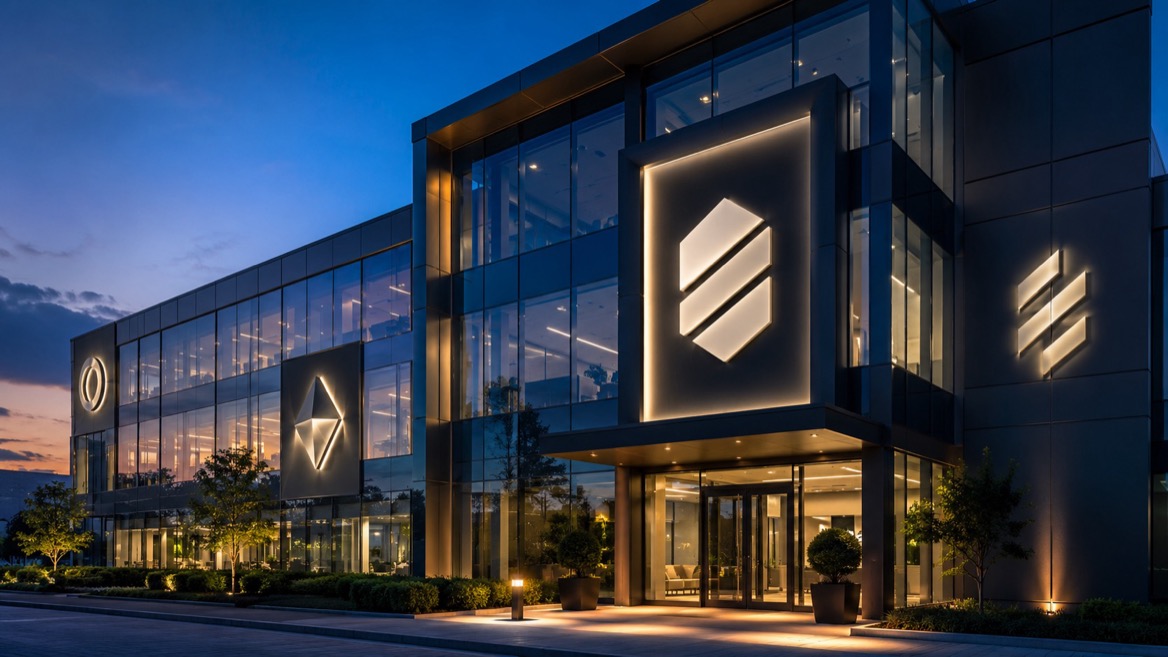
In most cities, visual noise is intense: storefronts, billboards, digital screens, and vehicle graphics all compete for a few seconds of attention. Thoughtfully designed signage turns that brief moment into genuine brand recognition and interest. [webfx]
From my experience working with B2B brands, physical signs often outperform digital campaigns when three conditions are met:
- The sign is placed where your ideal buyers actually move and make decisions.
- The message is simple, relevant, and instantly understandable.
- The materials and craftsmanship clearly reflect your brand's positioning (premium, industrial, creative, eco‑friendly, etc.).
When these elements align, signage stops being "decoration" and becomes a predictable acquisition and retention asset.
Advertising signage covers everything from exterior storefront signs and illuminated logos to wayfinding systems, fleet graphics, and promotional displays inside retail or office spaces. [webfx]
For B2B manufacturers and service providers, I usually divide signage into four practical categories:
- Brand identity signs: Main building signs, reception logos, monument signs at facility entrances.
- Sales‑driven signs: Window graphics, light boxes, product promotion panels, event backdrops.
- Operational signs: Directional, safety, compliance, and instructional signage.
- Experience‑enhancing signs: Storytelling walls, timeline graphics, customer testimonial displays, and interactive elements.
The most successful projects treat these categories as one integrated system, not separate purchases. A cohesive approach ensures every sign reinforces a single, strong narrative about what your company does and why it is reliable. [webfx]
From a manufacturer's perspective, the value of advertising signage isn't just "printing a logo." It's the combination of advisory support, engineering decisions, and production standards that ensure signs perform day after day in real conditions. [webfx]
A mature signage partner will usually focus on four key dimensions of value:
- Material choices aligned with climate, installation height, and expected impact risk.
- Illumination and readability optimized for viewing distance, time of day, and ambient lighting.
- Mounting and structural design that meets safety requirements and building constraints.
- Consistency across all brand touchpoints, from reception areas to factory floors and external campaigns.
Clients who leave public reviews often highlight not only the look of the final sign but also the responsiveness of the team, clarity of design proposals, and how smoothly installation goes on site. These details are part of the product experience, even though they never appear on the physical sign itself. [webfx]

To show how this works in practice, consider a typical mid‑size company planning a new headquarters or flagship store.
1. Discovery and goal setting
The client shares photos, architectural drawings, and brand guidelines. Together, we define what each sign must achieve—visibility from specific streets, clear guidance for visitors, and a strong first impression in the lobby.
2. Concept and design alignment
Based on these goals, we propose a mix of signage types: exterior illuminated logo signs, reception wall signs, room identification plaques, and directional signs. Every design is checked against viewing angles, colour contrast, and distance readability before it ever reaches production.
3. Material and engineering decisions
For outdoor signs, we might combine aluminium structures with weather‑resistant coatings and high‑efficiency light modules. Indoors, we might use acrylic, stainless steel, or wood accents to match interior décor. All specifications reflect local climate and maintenance capacity.
4. Production, quality checks, and installation
The manufacturing phase includes cutting, forming, surface finishing, and electrical assembly. Before dispatch, signs are powered, inspected, and packed with clear instructions. On site, trained installers handle mounting, wiring, and final alignment.
When the project is complete, the client doesn't just receive a sign—they receive a repeatable system for visual communication at that location. This repeatability is what turns signage into a reliable marketing asset rather than a one‑off purchase.
Different businesses need different combinations of signage. The table below summarizes common types and how they are typically used.
| Sign type | Typical location | Primary purpose |
|---|---|---|
| Exterior building sign | Façade, rooftop | Brand visibility and recognition |
| Illuminated logo box | Storefront, shopping streets | Night‑time visibility and promotion |
| Window graphics | Street‑facing glass | Campaigns and seasonal messaging |
| Reception wall sign | Lobby, entrance hall | Professional first impression |
| Directional and wayfinding | Corridors, parking, lifts | Visitor flow and convenience |
| Safety and compliance signs | Production areas, warehouses | Legal and safety communication |
A strong manufacturer will guide clients through these choices, ensuring that each piece supports the same brand story rather than competing for attention. [webfx]
After reviewing many projects and listening to customer feedback, several repeating mistakes stand out:
- Choosing sign sizes based on aesthetics rather than viewing distance and speed of passing traffic.
- Using colours and typefaces that look good on screens but fail under real lighting conditions.
- Treating indoor and outdoor signage as separate projects, resulting in fragmented branding.
- Underestimating local regulations, mounting requirements, or electrical constraints.
- Prioritizing short‑term promotions instead of a long‑term signage strategy.
Avoiding these issues often comes down to involving a manufacturing partner early, before final architectural or interior decisions are locked in. This allows signage to be integrated, not merely added later as decoration.
Based on multiple campaigns in retail, manufacturing, and office environments, I recommend a simple planning framework that any business can follow.
1. Clarify the objective of each sign
Decide whether the main goal is attraction, information, reassurance, or navigation. A sign cannot do everything equally well; clarity here prevents overcrowded layouts.
2. Define audience and context
Identify who will see the sign (drivers, pedestrians, employees, visitors) and how quickly they must understand the message. This affects size, placement, and design.
3. Map locations and sightlines
Walk the space physically or via drawings. Mark entry points, decision points (like intersections or reception desks), and high‑traffic zones where signage has the most impact.
4. Choose materials and illumination
For outdoor installations, think in years, not months. Consider weather exposure, dust, humidity, and electrical stability. For indoor signs, align materials with interior design and acoustic needs.
5. Plan maintenance and updates
Decide how often promotional content will change and design for easy updates (swap‑out panels, replaceable graphics, modular components) instead of fully rebuilding signs each time.
This framework ensures that the investment in signage stays useful and flexible as your business evolves.
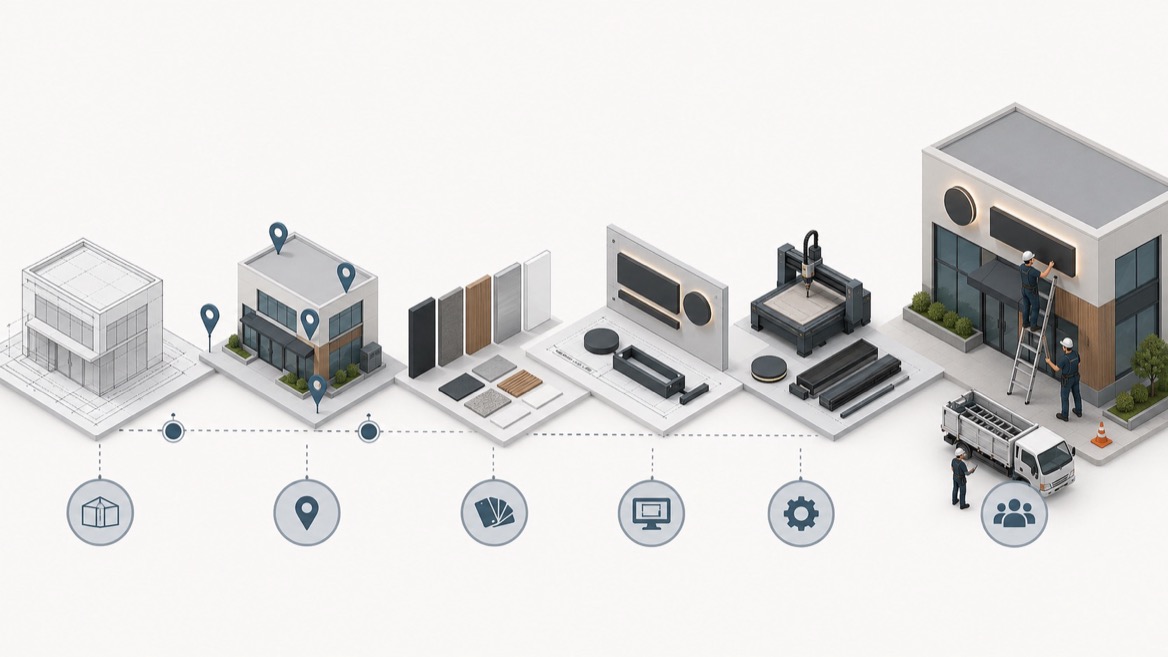
When businesses partner with a specialist like Landea Signs Co., Ltd., they are not just purchasing metal, acrylic, and lighting. They are accessing a set of capabilities built through repeated projects, quality control practices, and field experience.
Clients typically benefit from:
- Consultative design support that translates brand guidelines into effective physical signage.
- Precision manufacturing using equipment calibrated for repeatability and tight tolerances.
- Material sourcing and testing to confirm durability, colour stability, and corrosion resistance.
- Integrated logistics and installation, reducing risk of damage or misalignment between design and reality.
- Feedback loops from previous installations, which inform future design choices and avoid known failure modes.
Because these capabilities are refined over time, they often deliver better outcomes than one‑off local fabrication without specialized processes.
Recent projects and industry data show several notable trends in how businesses use signage today:
- Increased use of energy‑efficient illumination, with longer‑life modules and smarter power management for exterior signs. [webfx]
- Growing demand for modular systems, where logos and text can be updated without replacing the entire structure.
- More emphasis on sustainability, including recyclable materials and coatings with lower environmental impact.
- Integration of storytelling elements, such as timelines, customer quotes, and product visuals on interior walls.
For manufacturers, these trends translate into new design requirements and production methods. For buyers, they create opportunities to differentiate without resorting to short‑lived gimmicks.
In public and private feedback, buyers usually highlight a few decisive factors when choosing and sticking with a signage manufacturer: [webfx]
- Responsiveness and clarity of communication during the quotation and design phases.
- The ability to provide accurate preview visuals, mock‑ups, or samples before full production.
- Consistency in delivery times and coordination with other contractors on site.
- The durability and stability of signs over the first months and years, especially lighting performance.
- Willingness to support future expansions or rebranding with compatible designs.
A manufacturer that performs reliably on these dimensions tends to become a long‑term partner, not just a vendor for a single project.
To make your next advertising signage project smoother and more successful, use this short checklist as a working tool:
1. Confirm your main objective for each sign (visibility, navigation, reassurance, promotion).
2. Gather brand assets: logos, colours, typography, and messaging guidelines.
3. Collect site data: photos, measurements, wall materials, power access points, and regulations.
4. Decide on durability requirements based on climate and expected lifetime.
5. Align internal stakeholders on budget, timelines, and approval processes.
6. Share all of the above with your chosen manufacturer and invite design‑level suggestions.
By preparing this information before you request quotations, you save time on revisions and enable your supplier to propose solutions that genuinely fit your context.
Q1. What is the typical lifespan of a high‑quality outdoor advertising sign?
With appropriate materials, coatings, and illumination components, many exterior signs provide stable performance for five to ten years, depending on climate, exposure, and maintenance practices.
Q2. How early should signage be planned during a new store or office build?
Ideally, signage is considered at the architectural design stage, before finishes and lighting are finalized. This avoids conflicts with mounting points, electrical routing, and visual balance.
Q3. Can one signage system support both brand identity and seasonal campaigns?
Yes. A fixed, durable base can carry changeable panels or graphics, allowing businesses to keep core brand elements stable while updating promotional content as needed.
Q4. What information should I prepare before contacting a signage manufacturer?
Provide photos or drawings of the site, rough measurements, brand assets, any local regulations you know of, and your goals for visibility, style, and durability.
Q5. How do I measure whether new signage is successful?
Track changes in walk‑in traffic, inquiries, navigation issues, and customer feedback before and after installation. For multi‑site businesses, compare performance across locations with similar signage and those without.
1. WebFX. "3 Best Practices for Sign Companies." Available at: [https://www.webfx.com/industries/professional-services/sign-companies/seo/]
2. Office Sign Company Blog. "Save 10% off your entire order if you're LUCKY enough to find this link." Available at: [https://blog.officesigncompany.com/save-10-off-your-order-if-youre-lucky-enough-to-find-this-link/]
3. Semrush. "Google E‑E‑A‑T: What it is & how it affects rankings." Available at: [https://www.semrush.com/blog/eeat/]
4. MT Soln Marketing. "Crafting content that connects: A step‑by‑step guide to optimized blog posts." Available at: [https://mtsoln.com/blog/insights-720/crafting-content-that-connects-a-step-by-step-guide-to-e-e-a-t-optimized-blog-posts-2270]
5. Medium – Writing Breeze. "Techniques to follow EEAT in blogs and rank better." Available at: [https://medium.com/writing-breeze/techniques-to-follow-eeat-in-blogs-and-rank-better-ec0cccbcc3de]


