From idea to market-ready product, our SIGNS solutions make every stage easier, faster. Discover How We Help

Views: 212 Author: Landea Signs Publish Time: 2026-08-01 Origin: Site


Content Menu
● What Are Vinyl Signs and Why Do They Matter?
● Types of Vinyl Graphics and Signs
>> Cast Vinyl vs. Calendared Vinyl: Which One Do You Need?
● Key Benefits of Vinyl Signage for Businesses
● What's Missing From Most Vinyl Sign Guides: Manufacturing Standards That Actually Matter
● How Signage Trends Are Evolving in 2026
● Practical Design Ideas for Vinyl Signage
● How Vinyl Signs Are Made: A Step-by-Step Overview
● Choosing the Right Vinyl Sign Manufacturer
● Get Custom Vinyl Signage Built for Your Brand
Vinyl signs remain one of the most cost-effective and versatile advertising tools available to businesses today, and understanding the different vinyl graphic options can mean the difference between a sign that lasts years and one that fades within months.
Whether you're launching a storefront campaign, wrapping a fleet vehicle, or building ADA-compliant signage for a commercial property, choosing the right type of vinyl sign requires more than a quick decision. This guide breaks down the materials, manufacturing processes, and practical considerations that experienced signage buyers look for before placing an order.
Vinyl signs are a broad category of printed or cut graphics made from PVC-based film, used for everything from window decals to large outdoor banners. Their popularity comes down to a simple equation: low production cost, high visual impact, and strong durability against outdoor elements.
For businesses managing local marketing, vinyl signage offers a way to reach nearby foot traffic and drivers without the recurring cost of digital advertising. According to industry trend reports for 2026, sign companies are increasingly blending traditional vinyl with smart technology, but vinyl remains the backbone of affordable, high-frequency signage production.

Not all vinyl is created equal. Manufacturers typically categorize vinyl signage into the following types:
- Printed vinyl – A broad term covering any custom-printed vinyl, available with adhesive backing or in banner form.
- Gloss vinyl – Known for its shiny finish, commonly chosen for vehicle wraps and eye-catching graphics.
- Translucent vinyl – Semi-transparent material ideal for illuminated signs, window decals, and backlit displays.
- Self-adhesive vinyl – Easy-to-install film that sticks directly to walls, windows, or equipment surfaces.
Each type serves a specific application, so matching the material to the surface and lighting conditions is essential for long-term performance.
Beyond graphic type, vinyl is also classified by how it's manufactured. This distinction directly affects durability, cost, and best use cases.
| Feature | Cast Vinyl | Calendared Vinyl |
|---|---|---|
| Production method | Poured/cast into thin films | Heat and pressure rolled to thickness |
| Durability | Higher, holds up on curved surfaces | Moderate, best for flat surfaces |
| Best use | Vehicle wraps, long-term outdoor signage | Short-to-mid term signs, banners, decals |
| Typical lifespan | 5–7+ years outdoors | 2–4 years outdoors |
| Cost | Higher | More budget-friendly |
Cast vinyl is the premium option, preferred for vehicle wraps and applications requiring a flawless, conformable finish. Calendared vinyl is the more widely produced, economical option suited for flat surfaces and shorter promotional campaigns.
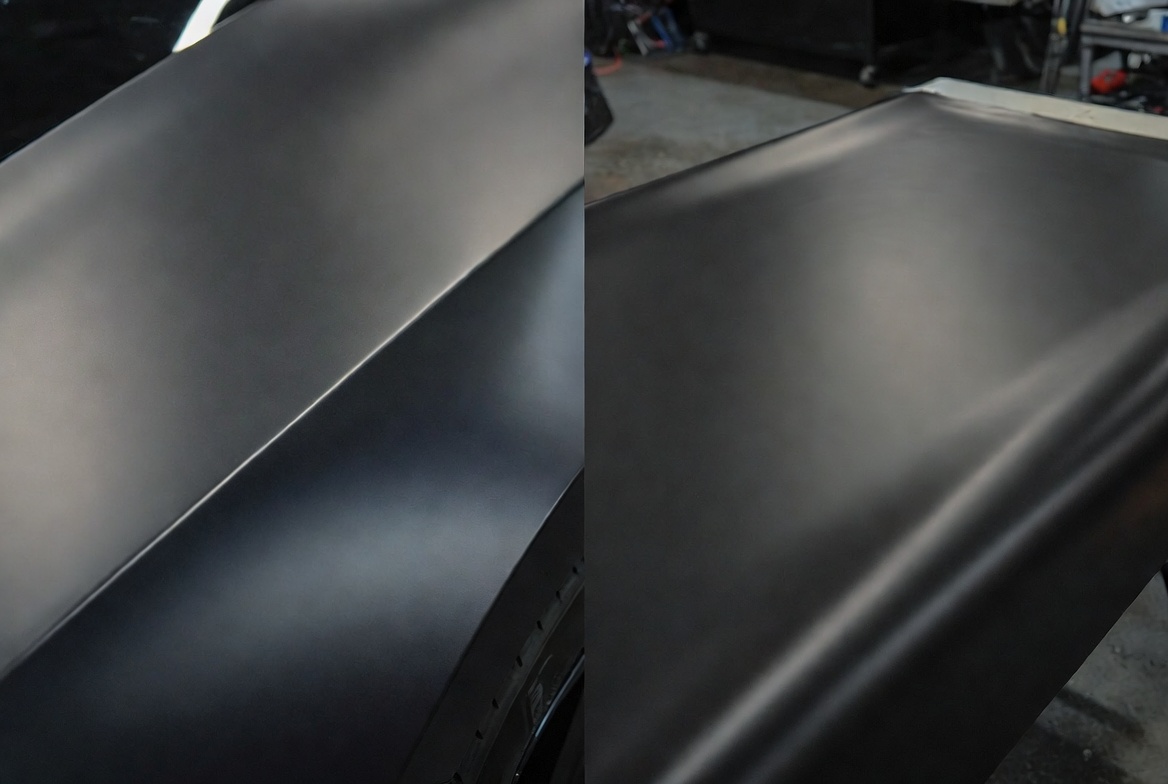
Vinyl signage delivers measurable advantages that make it a staple in outdoor and indoor advertising strategies:
- Targeted local marketing – Reaches nearby customers who are more likely to convert into foot traffic.
- Eye-catching customization – Fully adjustable text, color, and imagery to match brand identity.
- Weather resistance – Withstands rain, wind, and UV exposure without significant degradation.
- Reusability – Many vinyl products can be reused across multiple campaigns or locations.
- Lower production cost compared to rigid signage or digital displays.
Most vinyl sign resources stop at material types and benefits — but experienced buyers know that manufacturing quality determines whether a sign performs as promised. Three factors separate premium vinyl signage from low-grade alternatives:
1. Adhesive quality control. Poor adhesive formulation causes bubbling, peeling, and premature failure — especially in humid or high-temperature climates.
2. UV-stable inks and film. Standard inks fade within months under direct sun; UV-resistant formulations extend usable life significantly.
3. Backing paper consistency. Inconsistent backing paper leads to installation errors, wasted material, and air bubbles during application.
Manufacturers with vertically integrated production — owning facilities rather than outsourcing every step — tend to maintain tighter control over these variables, which reduces defect rates and improves consistency across large orders.
The signage industry isn't standing still. Reports from 2026 point to several shifts influencing how vinyl and broader signage products are designed and produced:
- AI-driven personalization is expanding into hybrid signage setups, where static vinyl graphics are paired with adjacent digital displays for real-time messaging.
- Cloud-based production management is helping manufacturers coordinate multi-location orders more efficiently, cutting lead times for bulk vinyl sign runs.
- Sustainable materials are gaining traction, with manufacturers exploring lower-VOC inks and recyclable vinyl substrates.
- LED and illuminated signage integration is becoming more affordable, pushing more businesses to pair translucent vinyl with backlighting for 24-hour visibility.
For B2B buyers, this means vinyl signage suppliers are no longer judged only on print quality — but also on their ability to integrate with broader signage ecosystems.
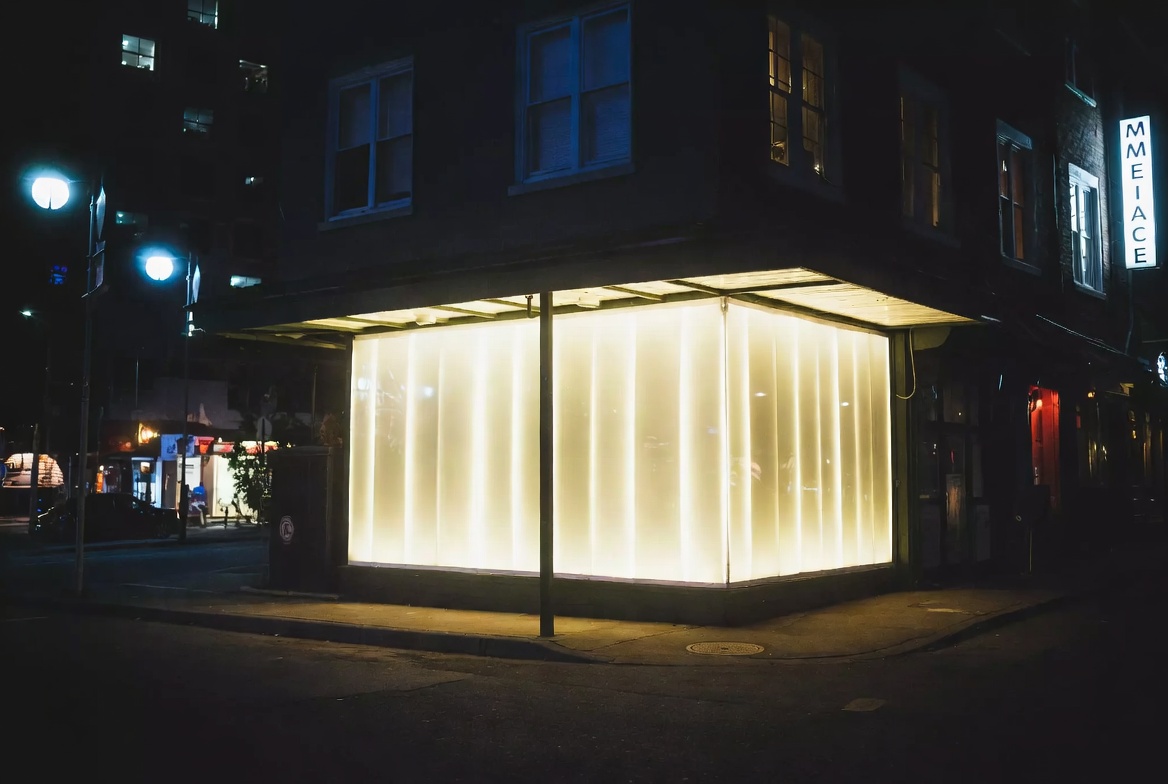
If you're unsure where to start, these proven applications offer a reliable starting point:
- A translucent vinyl sticker applied to storefront windows for branding without blocking natural light.
- A cast vinyl wrap applied to company vehicles for mobile, ongoing advertising.
- A large calendared vinyl banner installed at high-traffic community locations for short-term promotions.
Understanding the production process helps buyers set realistic expectations for lead time and quality:
1. Design finalization – Artwork, logos, and text are prepared in vector format for precision cutting.
2. Material selection – Cast or calendared vinyl is chosen based on application and expected lifespan.
3. Printing or cutting – Digital printers apply graphics, or plotters cut shapes directly from colored vinyl.
4. Lamination (if applicable) – A protective layer is applied to extend UV and scratch resistance.
5. Weeding and masking – Excess vinyl is removed, and transfer tape is applied for clean installation.
6. Quality inspection – Finished signs are checked for adhesive consistency, color accuracy, and finish quality before shipping.
Not every signage supplier offers the same level of customization or production oversight. When evaluating manufacturers, prioritize these criteria:
- Production transparency – Ask whether the supplier owns its manufacturing facilities or outsources production.
- Material sourcing – Confirm whether UV-stable, weather-resistant vinyl grades are used as standard.
- Customization range – Verify the supplier can handle both small custom runs and large bulk orders.
- Compliance support – For commercial properties, confirm ADA-compliant signage options are available where required.
- Turnaround capability – Bulk orders should not compromise quality control or lead times.
Manufacturers with dedicated engineering and design support — rather than pure print shops — are generally better equipped to handle complex, brand-specific signage projects at scale.
If you're planning a signage project and want manufacturing precision, material consistency, and design flexibility in one partner, working directly with an experienced advertising signage manufacturer removes the guesswork. Landea Signs Co., Ltd. specializes in personalized signage solutions — from vinyl graphics to illuminated and ADA-compliant signs — backed by owned production facilities and global support offices. Reach out to discuss your next signage project and get a tailored quote built around your exact specifications.
1. What's the difference between cast vinyl and calendared vinyl?
Cast vinyl is thinner, more conformable, and better suited for curved surfaces like vehicle wraps, while calendared vinyl is thicker, more affordable, and best for flat, short-to-mid term signage.
2. How long do vinyl signs typically last outdoors?
Cast vinyl can last 5–7 years or more outdoors, while calendared vinyl generally lasts 2–4 years depending on climate and UV exposure.
3. Is vinyl signage a cost-effective option for small businesses?
Yes. Vinyl signage offers a lower upfront cost than rigid or digital signage while still delivering strong visual impact and reusability across campaigns.
4. Can vinyl signs be used indoors and outdoors?
Yes. Certain vinyl types, such as translucent and self-adhesive vinyl, work well indoors for windows and displays, while cast and calendared vinyl are commonly used for outdoor durability.
5. What should I check before choosing a vinyl sign manufacturer?
Confirm the manufacturer's material sourcing, production transparency, customization capabilities, and whether they offer compliance support such as ADA-compliant signage.
1. [Guide To Vinyl Signs — ADA Central]
2. [Landea Signs: Customized Illuminated Signs, ADA Signs Manufacturer]
3. [Your Trusted OEM Advertising Signage Manufacturer — Landea Signs]


